
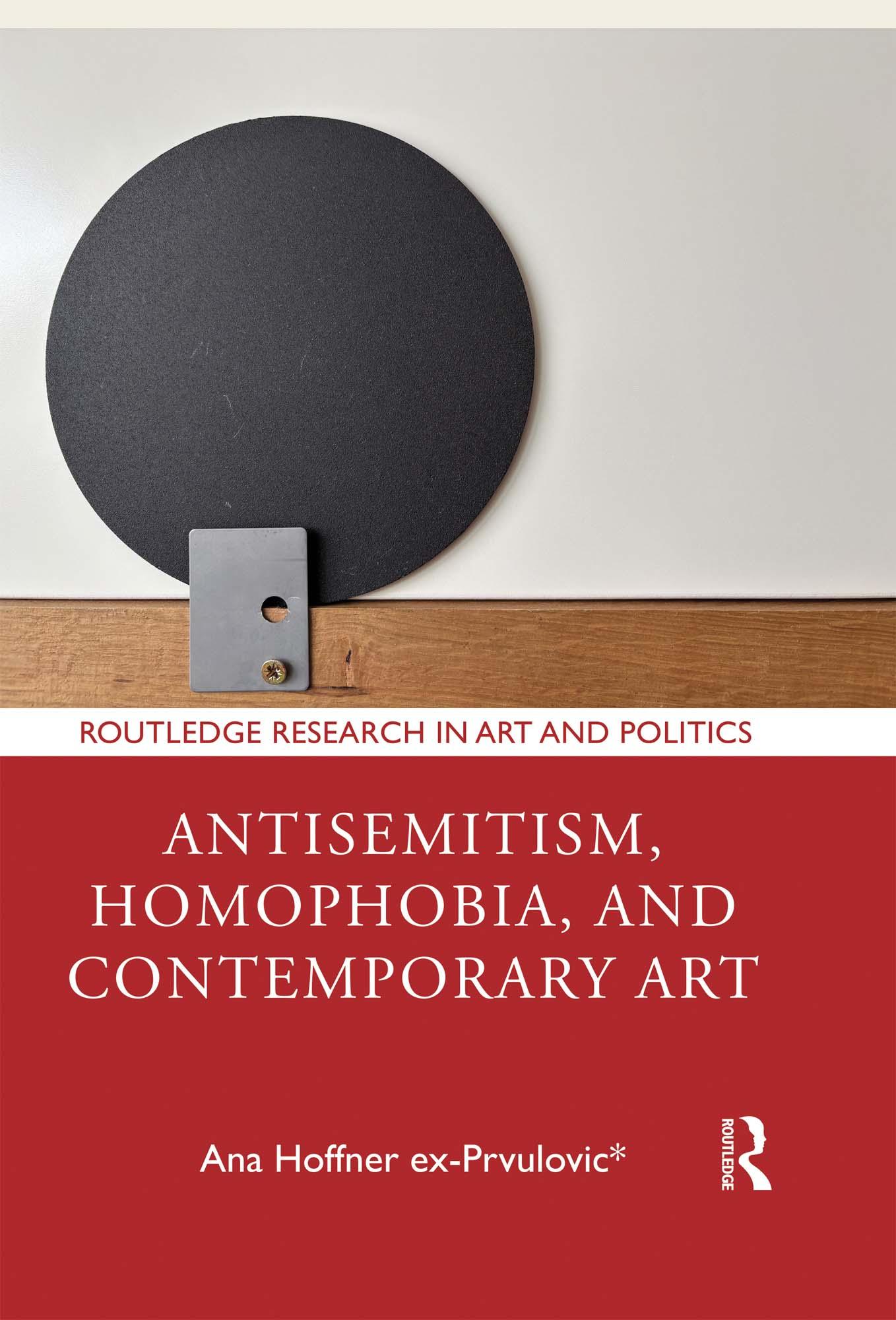
This book analyzes synchronization as a symptom of the contemporary art world.
Acting as a tool within present-day social, economic, and political systems, synchronization assigns individuals to predetermined forms of representation. At its core, this book challenges normative synchronization concepts as projections of a unity of bodies and voices, past and present, self and environment. The text offers a non-linear art historical narrative of those practices that have consistently tried to "desynchronize" from antisemitism and homophobia. Through thoughtful analysis of art practices from Claude Cahun and Marcel Moore, Zanele Muholi, Anna Daučíková, Sharon Hayes, Glenn Ligon, and Chantal Akerman, the author seeks to address the current wish to create contemporaneity for all—often through violence against those perceived as not belonging to it.
This book is ideal for researchers and scholars in Art History, Philosophy, Queer Theory, Gender Studies, and Sociology.
Payez facilement par carte, Klarna, Apple Pay ou Google Pay. Pas satisfait ? Vous avez toujours une garantie de remboursement de 14 jours. En savoir plus dans nos conditions. Si vous avez des questions, envoyez-nous un e-mail à hello@memmo.org.
Memmo facilite tes études, où que tu sois dans le monde. On rassemble tes manuels de cours et des outils d'étude intelligents au même endroit : résumés, quiz, podcasts et flashcards. Et il y a Ted, ton compagnon d'étude qui répond à toutes tes questions. Plus de 50 000 étudiants étudient déjà ici – conçu pour t'aider à apprendre plus vite et à moins stresser.