
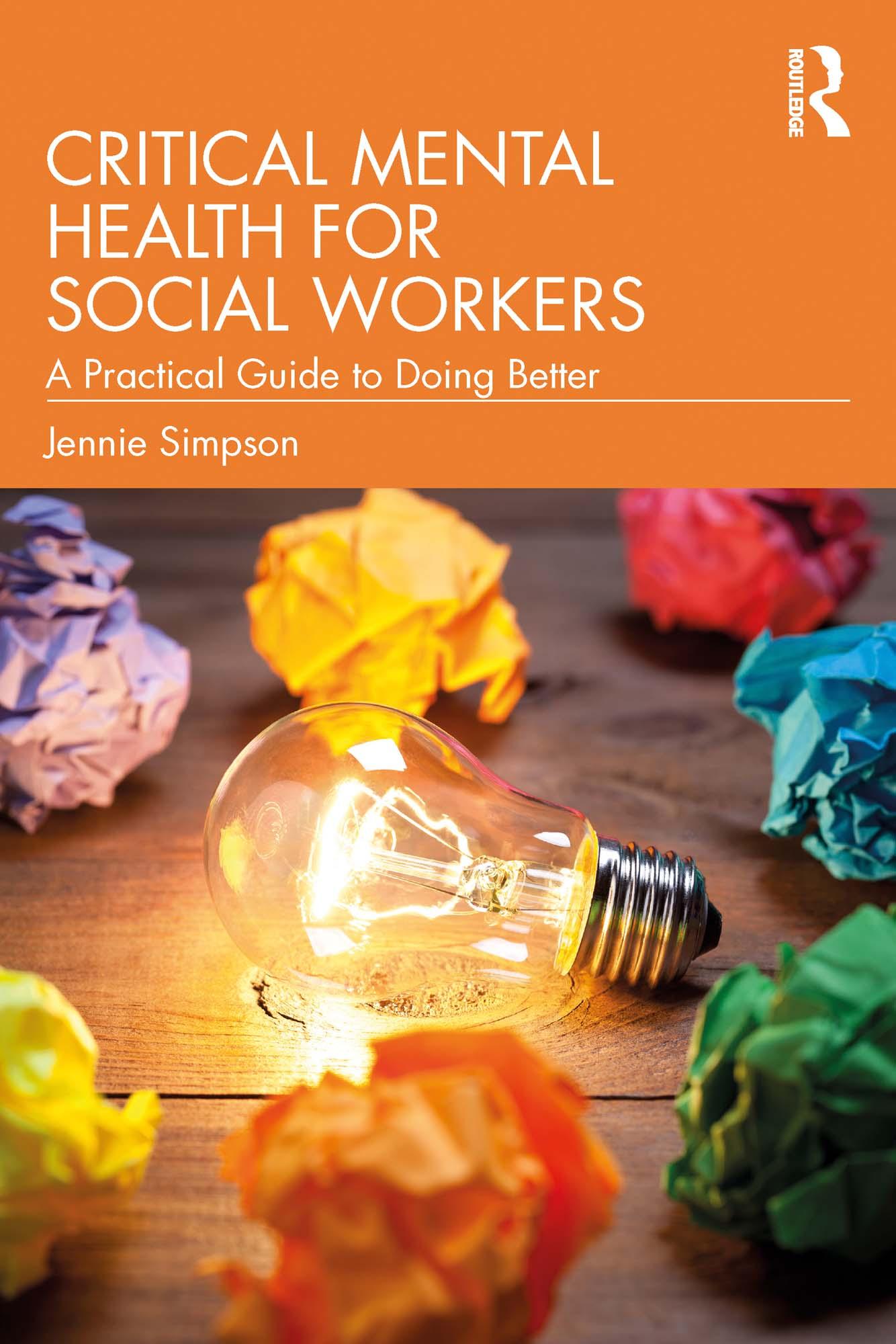
This book provides an alternative viewpoint on mental health, an issue that touches so many of the families and individuals we work with. Whether that be a parent or school seeking an ‘ADHD’ diagnosis for a child, a teenager struggling with self-harm, or a parent with ‘bipolar’, it is a topic of ever-increasing relevance.
Too many social workers accept the dominant medical model and therefore can unwittingly collude with issues of helplessness, thus maintaining harmful systems or experiences by positioning the individual as the ‘problem’. This goes against a truly systemic way of thinking and can take away from a more helpful narrative and exploration. Providing critical thought around the concepts of mental health ‘disorders’ themselves, the damage they can cause and questioning the progress being made, this book covers how mental health ‘diagnosis’ works, its origins, and its shockingly unscientific and highly subjective basis. It urges us to recognise that when we talk of mental health diagnosis, we are often talking about social constructs.
Social workers should challenge oppression, empower people, and uphold their human rights, and this book helps to prevent the perpetuation of harm to the very people we wish to support.
Payez facilement par carte, Klarna, Apple Pay ou Google Pay. Pas satisfait ? Vous avez toujours une garantie de remboursement de 14 jours. En savoir plus dans nos conditions. Si vous avez des questions, envoyez-nous un e-mail à hello@memmo.org.
Memmo facilite tes études, où que tu sois dans le monde. On rassemble tes manuels de cours et des outils d'étude intelligents au même endroit : résumés, quiz, podcasts et flashcards. Et il y a Ted, ton compagnon d'étude qui répond à toutes tes questions. Plus de 50 000 étudiants étudient déjà ici – conçu pour t'aider à apprendre plus vite et à moins stresser.