
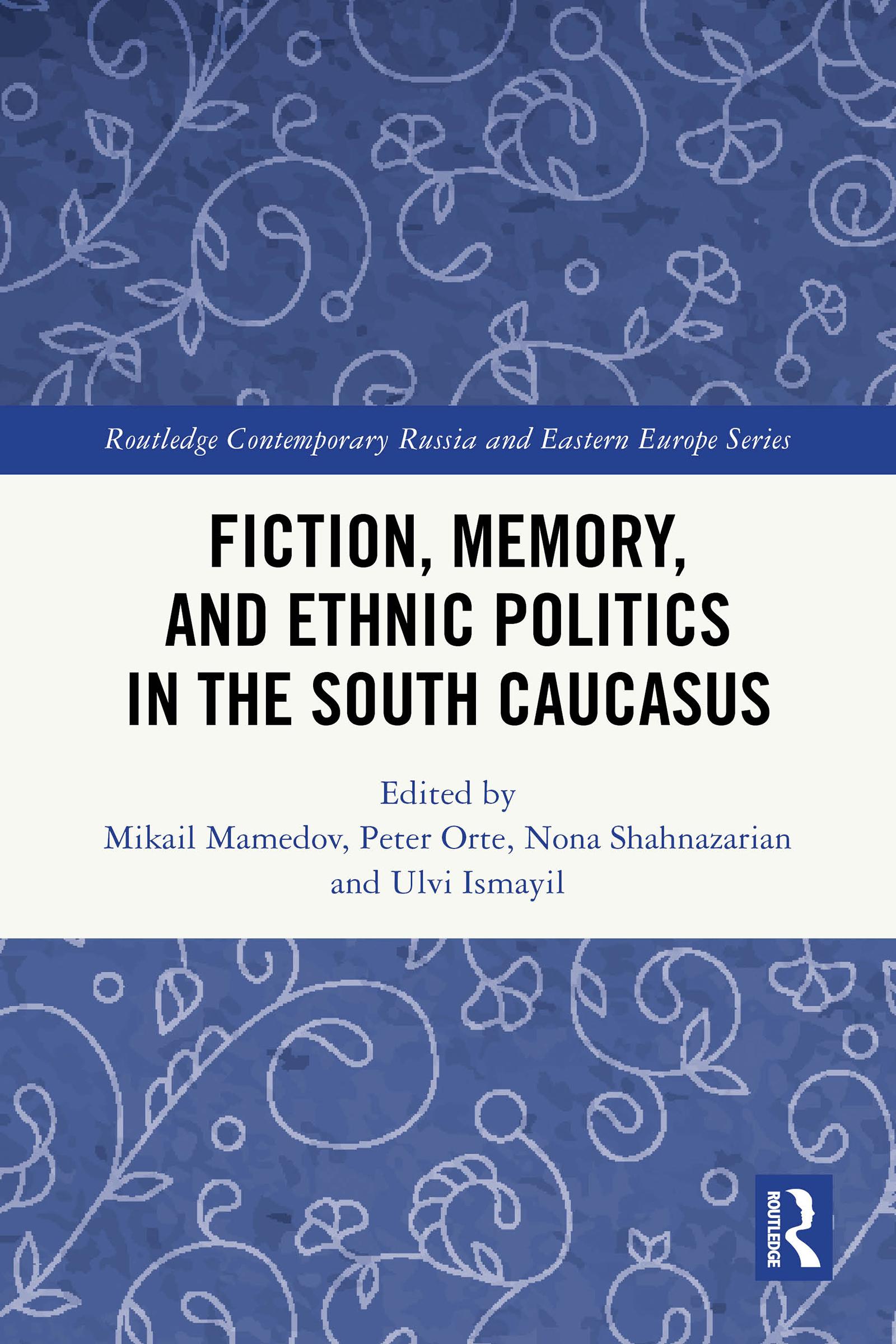
The book explores the aftermath of the disintegration of the Soviet Union and the effects of war and nationalism in the South Caucasus. While the Soviet Union’s dissolution seemed to promise democracy and liberalization, the rise of nationalist movements in Armenia and Azerbaijan led to those countries becoming undemocratic monoethnic states, which ethnically cleansed their largest minorities.
During the violence of the first stage of the Karabakh War (1992–1994), Armenians were expelled from Azerbaijan, and Azerbaijanis were expelled from Armenia. The persistence of this violent conflict through the second (2020) and third (2023) stages has led to competing, incompatible national narratives and an entrenched imagination of the other as the enemy. Explaining these events’ historical context by tracing them back to specific Soviet and Tsarist policies, the contributors of this volume examine the impact of the Karabakh conflict on ordinary people’s lives in Armenia and Azerbaijan by analyzing fiction, film, and other forms of public memory. Ultimately, they show how “eternal enmity” is a myth and point to potential solutions to the conflict.
This study will be useful to students and scholars of Soviet and Post-Soviet History, Nationalism, Empire, and Conflict Studies.
Payez facilement par carte, Klarna, Apple Pay ou Google Pay. Pas satisfait ? Vous avez toujours une garantie de remboursement de 14 jours. En savoir plus dans nos conditions. Si vous avez des questions, envoyez-nous un e-mail à hello@memmo.org.
Memmo facilite tes études, où que tu sois dans le monde. On rassemble tes manuels de cours et des outils d'étude intelligents au même endroit : résumés, quiz, podcasts et flashcards. Et il y a Ted, ton compagnon d'étude qui répond à toutes tes questions. Plus de 50 000 étudiants étudient déjà ici – conçu pour t'aider à apprendre plus vite et à moins stresser.