
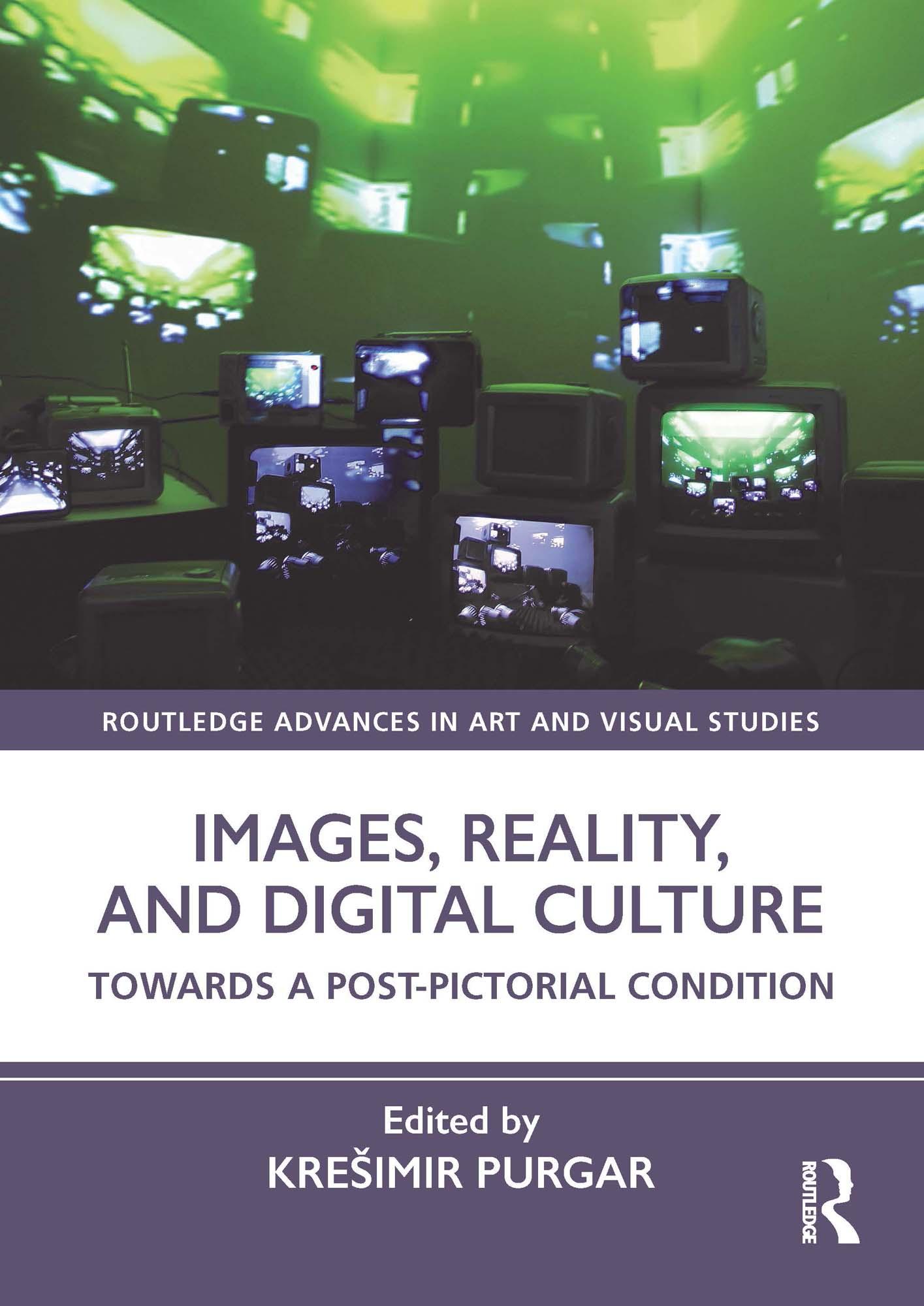
Focusing on the moment of transition from the pictorial to the post-pictorial condition, this book advocates the opinion that what fundamentally distinguishes pictorial representation in Western civilization is one’s ability to distinguish what the picture shows from what the picture refers to, and to that extent the reality inside the picture cannot be confused with what is outside it.
The contributions in this book serve as kind of a “missing link”, connecting the genealogy of traditional images with contemporary environmental visualizations in the world that in this very moment undergoes a transition into a new, exciting age in which many old knowledges are rapidly becoming obsolete, and new ones are seeking their legitimacy. Instead of leading the reader to reconciliation with the fatal diagnosis of the world under the rule of technological determinism, this book indicates the key points of transition between the pictorial representation that traditionally “belonged” to the history of art and the virtual presence that is approached in quite different ways today.
This book will be of interest to scholars working in art history, image philosophy, image studies, and digital studies.
Payez facilement par carte, Klarna, Apple Pay ou Google Pay. Pas satisfait ? Vous avez toujours une garantie de remboursement de 14 jours. En savoir plus dans nos conditions. Si vous avez des questions, envoyez-nous un e-mail à hello@memmo.org.
Memmo facilite tes études, où que tu sois dans le monde. On rassemble tes manuels de cours et des outils d'étude intelligents au même endroit : résumés, quiz, podcasts et flashcards. Et il y a Ted, ton compagnon d'étude qui répond à toutes tes questions. Plus de 50 000 étudiants étudient déjà ici – conçu pour t'aider à apprendre plus vite et à moins stresser.