
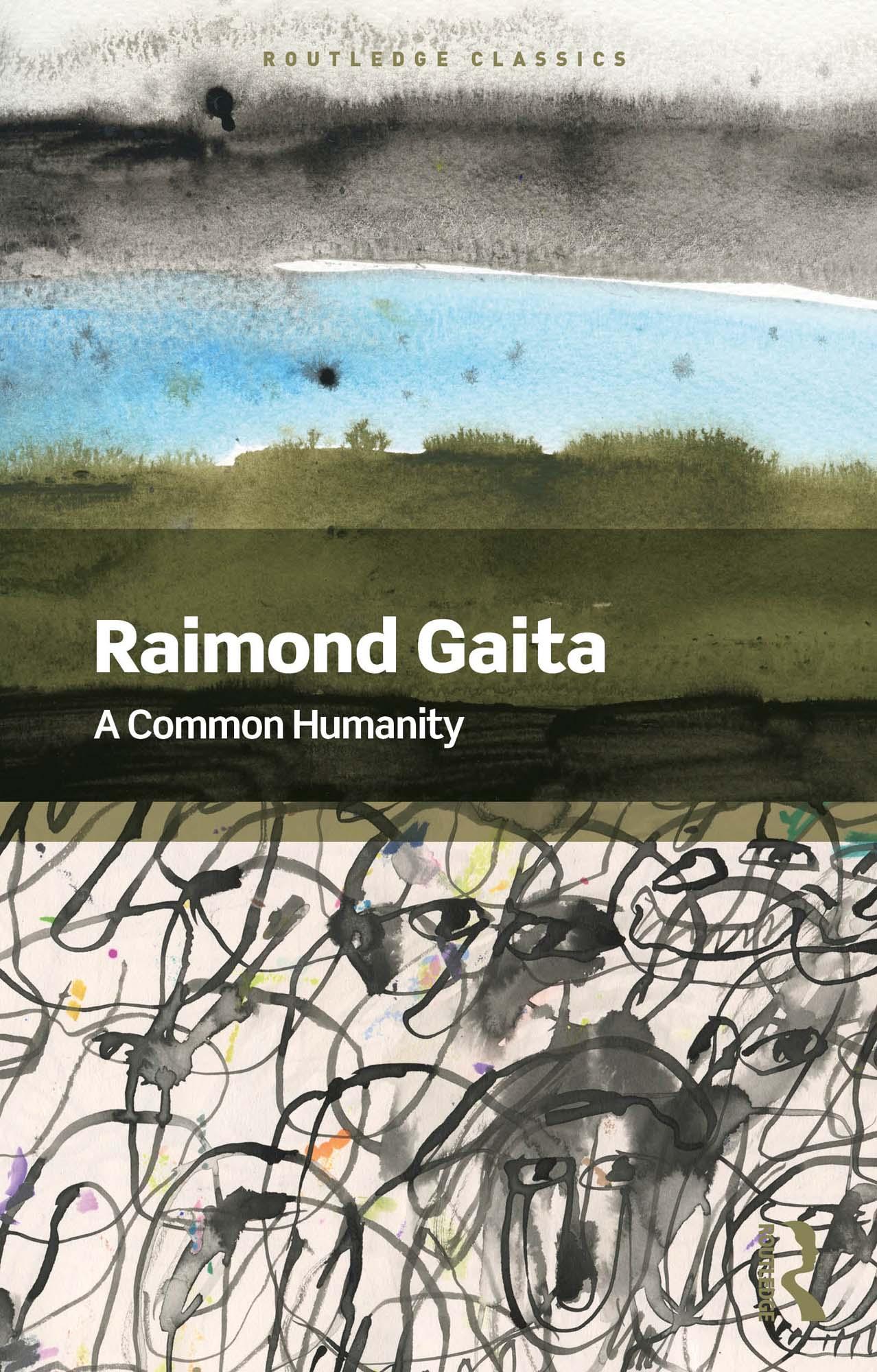
Holocaust denial, racism, genocide of indigenous peoples and the long-lasting harms inflicted by colonialism pose deep challenges to any idea of a common humanity. How can we include these and countless other examples of evil within our vision of a shared morality? These painful human incongruities are precisely what Raimond Gaita boldly harmonises in A Common Humanity. He discusses the complex and often fraught relations between hatred and forgiveness, evil and love, suffering and compassion, the mundane and the precious.
Gaita asserts that our conception of humanity cannot be based upon the thin language of individual rights when it is our shared feelings of grief, hope, love, guilt, shame and remorse that offer a more potent foundation for common understanding.
Drawing on the work of Hannah Arendt, Simone Weil, Primo Levi and Iris Murdoch, amongst others, Gaita creates a beautifully written and provocative new picture of our common humanity.
This Routledge Classics edition includes a new Preface and a substantial Afterword by the author, in which he revisits some of the main themes of A Common Humanity and engages with responses to it since it was first published.
Payez facilement par carte, Klarna, Apple Pay ou Google Pay. Pas satisfait ? Vous avez toujours une garantie de remboursement de 14 jours. En savoir plus dans nos conditions. Si vous avez des questions, envoyez-nous un e-mail à hello@memmo.org.
Memmo facilite tes études, où que tu sois dans le monde. On rassemble tes manuels de cours et des outils d'étude intelligents au même endroit : résumés, quiz, podcasts et flashcards. Et il y a Ted, ton compagnon d'étude qui répond à toutes tes questions. Plus de 50 000 étudiants étudient déjà ici – conçu pour t'aider à apprendre plus vite et à moins stresser.