
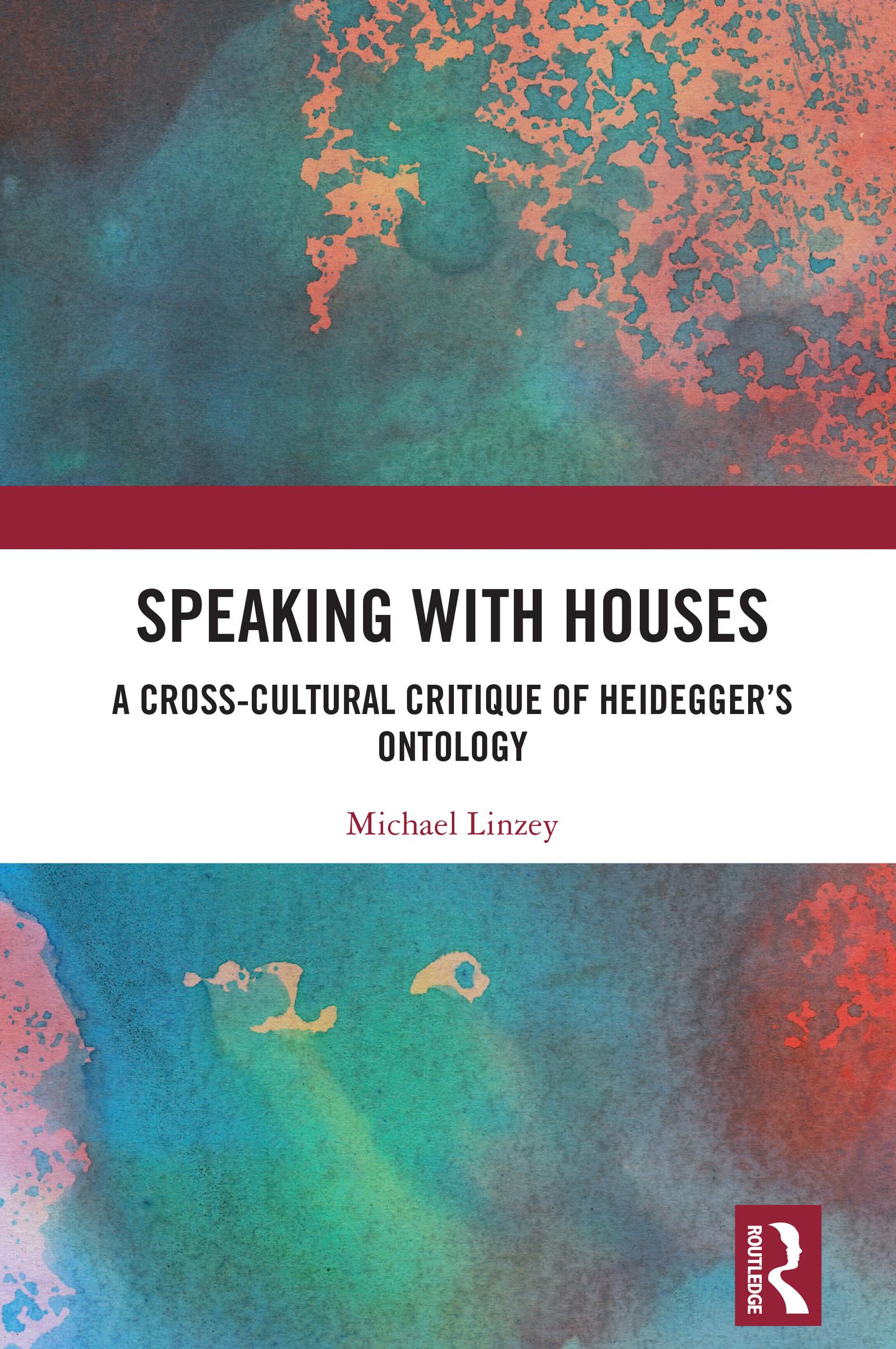
This book critically examines the concept of “Being” in Western philosophy and its manifestation in architecture.
The book traverses diverse cultural and historical contexts, analysing five architectural works: the Djoser Step Pyramid in ancient Egypt, the Pantheon in imperial Rome, the Tai-an tea house in late medieval Japan, the Te Tokanganui-a-Noho meeting house in colonial New Zealand and Mies van der Rohe’s Seagram Building in modern New York. Through these case studies, it challenges Martin Heidegger’s assertion that “language is the house of Being,” proposing instead that “Being” is a construct specific to Western ontology. By exploring architectural poiesis across various cultures, the book reveals that the Western notion of “Being” is not a universal foundation for architectural creation. Each examined structure embodies distinct cultural and philosophical principles, such as the concept of mū in Japanese tea houses, which signifies “neither Being nor non-Being,” and the “no-Being” tradition in Māori tikanga. This comparative analysis underscores the diversity of architectural expressions and their underlying philosophies, offering readers a nuanced understanding of how different cultures conceptualize existence and space.
This book is an invaluable resource for scholars in architecture, philosophy and cultural studies. Its interdisciplinary approach provides a comprehensive critique of Western metaphysical assumptions, encouraging readers to reconsider the relationship between language, being, and architectural form. By integrating architectural analysis with philosophical inquiry, it fosters a deeper appreciation of cultural diversity in architectural practices and invites academics to explore alternative ontological perspectives in the built environment.
Payez facilement par carte, Klarna, Apple Pay ou Google Pay. Pas satisfait ? Vous avez toujours une garantie de remboursement de 14 jours. En savoir plus dans nos conditions. Si vous avez des questions, envoyez-nous un e-mail à hello@memmo.org.
Memmo facilite tes études, où que tu sois dans le monde. On rassemble tes manuels de cours et des outils d'étude intelligents au même endroit : résumés, quiz, podcasts et flashcards. Et il y a Ted, ton compagnon d'étude qui répond à toutes tes questions. Plus de 50 000 étudiants étudient déjà ici – conçu pour t'aider à apprendre plus vite et à moins stresser.