
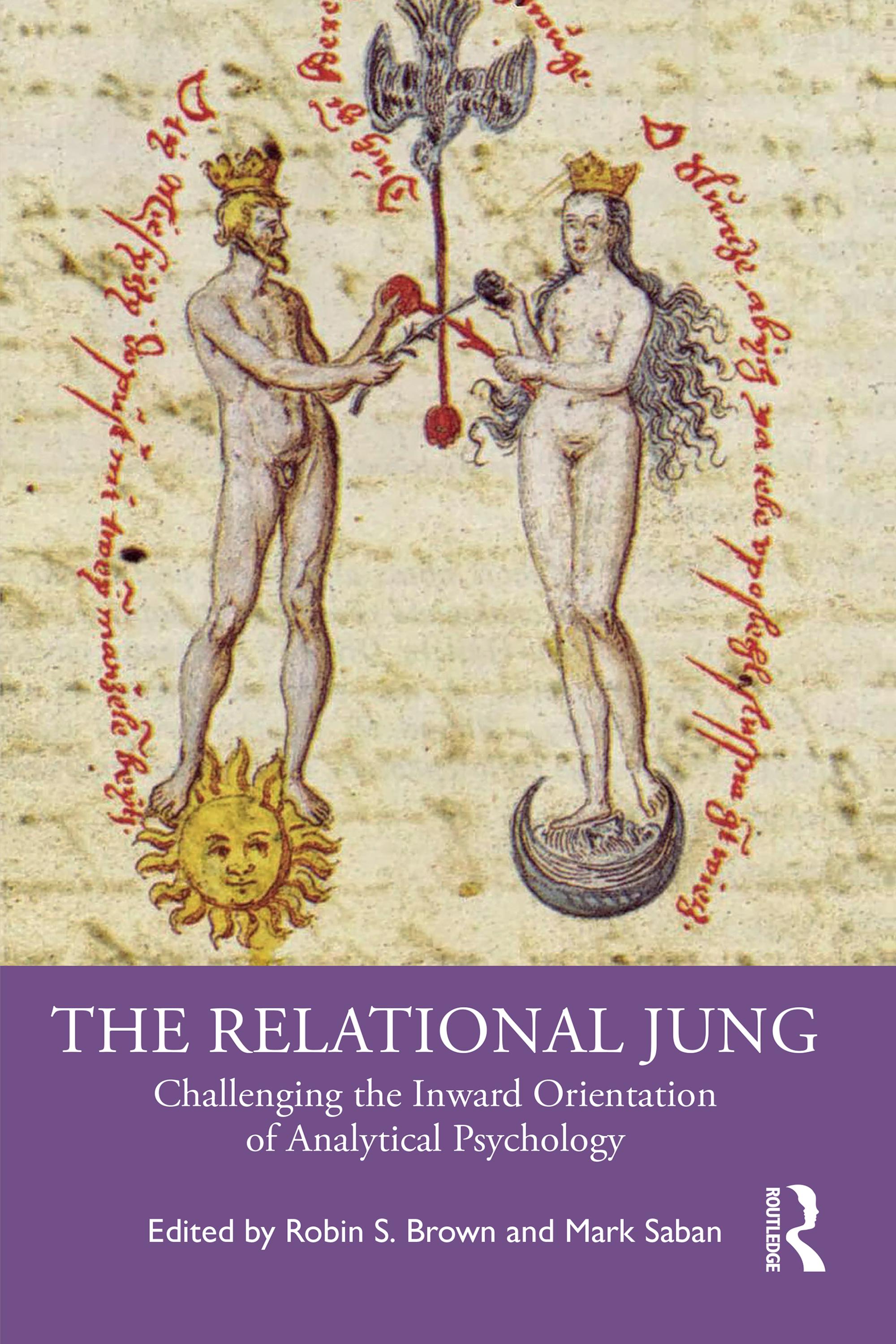
Within this fascinating new volume, a group of prominent Jungian writers seek to explore the apparent contradiction between two aspects of Jungian thinking: one that points in the direction of a genuinely radical relational psychology, and another which seems to struggle to engage meaningfully with what we might call the psychosocial dimension.
Jung’s work is centrally concerned with what is often referred to as the problem of opposites, for example, his notions of introversion and extraversion. In biographical terms, this is expressed in the split between Jung’s outward-facing and inward-facing personalities. Because Jung identified himself as an introvert, the question arises as to how this might have shaped his psychology. Recent scholarship has often brought attention to the problematics of Jung’s engagement with collective life and the political. In the spirit of maintaining the kind of dialectical tension that Jung urged, this series of papers seeks to explore one-sidedness in analytical psychology with particular emphasis on how we theorize the immediacy of encounter with others.
This unique collection will be of particular value to scholars and clinicians within the Jungian world, as well as relationally-oriented psychoanalysts with an interest in becoming more conversant in Jung.
Payez facilement par carte, Klarna, Apple Pay ou Google Pay. Pas satisfait ? Vous avez toujours une garantie de remboursement de 14 jours. En savoir plus dans nos conditions. Si vous avez des questions, envoyez-nous un e-mail à hello@memmo.org.
Memmo facilite tes études, où que tu sois dans le monde. On rassemble tes manuels de cours et des outils d'étude intelligents au même endroit : résumés, quiz, podcasts et flashcards. Et il y a Ted, ton compagnon d'étude qui répond à toutes tes questions. Plus de 50 000 étudiants étudient déjà ici – conçu pour t'aider à apprendre plus vite et à moins stresser.