
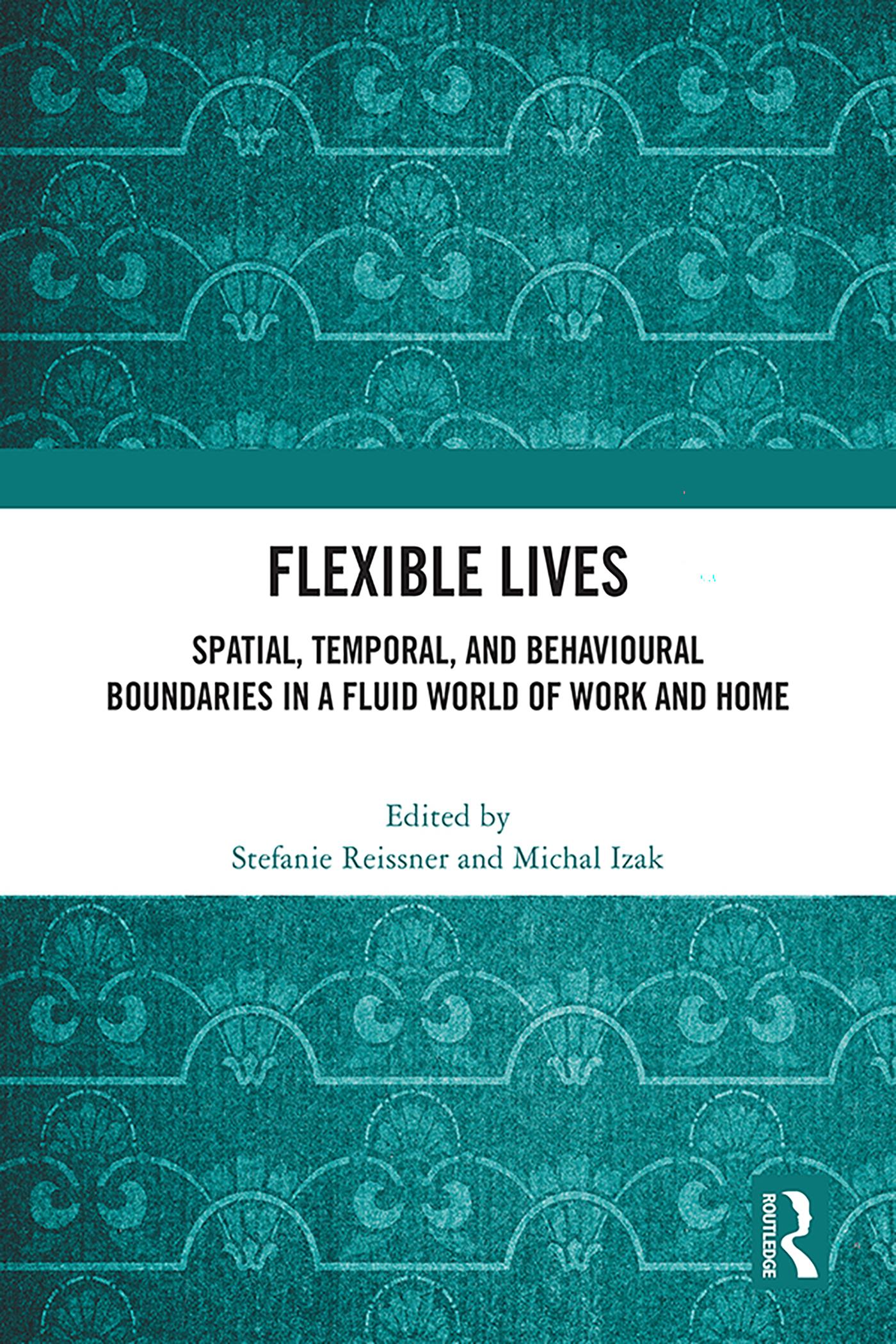
This geographically and methodologically diverse volume shines the spotlight on a variety of flexible working practices beyond the predominantly Western perspective and zooms in on the gendered aspects of flexible working.
The increasing use of flexible work arrangements has decoupled work from time and space, making the world of work and home increasingly fluid and challenging to manage. The Covid-19 pandemic, in particular, has been a catalyst for questioning accepted norms of where, when, and how work takes place. This book seeks to explore the impact which this reshaping of traditional modes of working has had on workplace interactions and relationships, as well as on managing the boundaries between familial and working lives. In this way, this collection contributes to a wider dialogue concerning the flexibility challenges encountered by white collar workers, which is needed now more than ever.
This book will be relevant to scholars, practitioners, and policymakers in the fields of gender studies, organizational behavior, human resources and labor economics. It will be particularly useful for those examining the impact of remote work, the future of work, organizational culture, and the social and economic implications of shifting work practices.
The chapters in this book were originally published in Culture and Organization and are accompanied by an updated Introduction and a new Epilogue.
Payez facilement par carte, Klarna, Apple Pay ou Google Pay. Pas satisfait ? Vous avez toujours une garantie de remboursement de 14 jours. En savoir plus dans nos conditions. Si vous avez des questions, envoyez-nous un e-mail à hello@memmo.org.
Memmo facilite tes études, où que tu sois dans le monde. On rassemble tes manuels de cours et des outils d'étude intelligents au même endroit : résumés, quiz, podcasts et flashcards. Et il y a Ted, ton compagnon d'étude qui répond à toutes tes questions. Plus de 50 000 étudiants étudient déjà ici – conçu pour t'aider à apprendre plus vite et à moins stresser.