
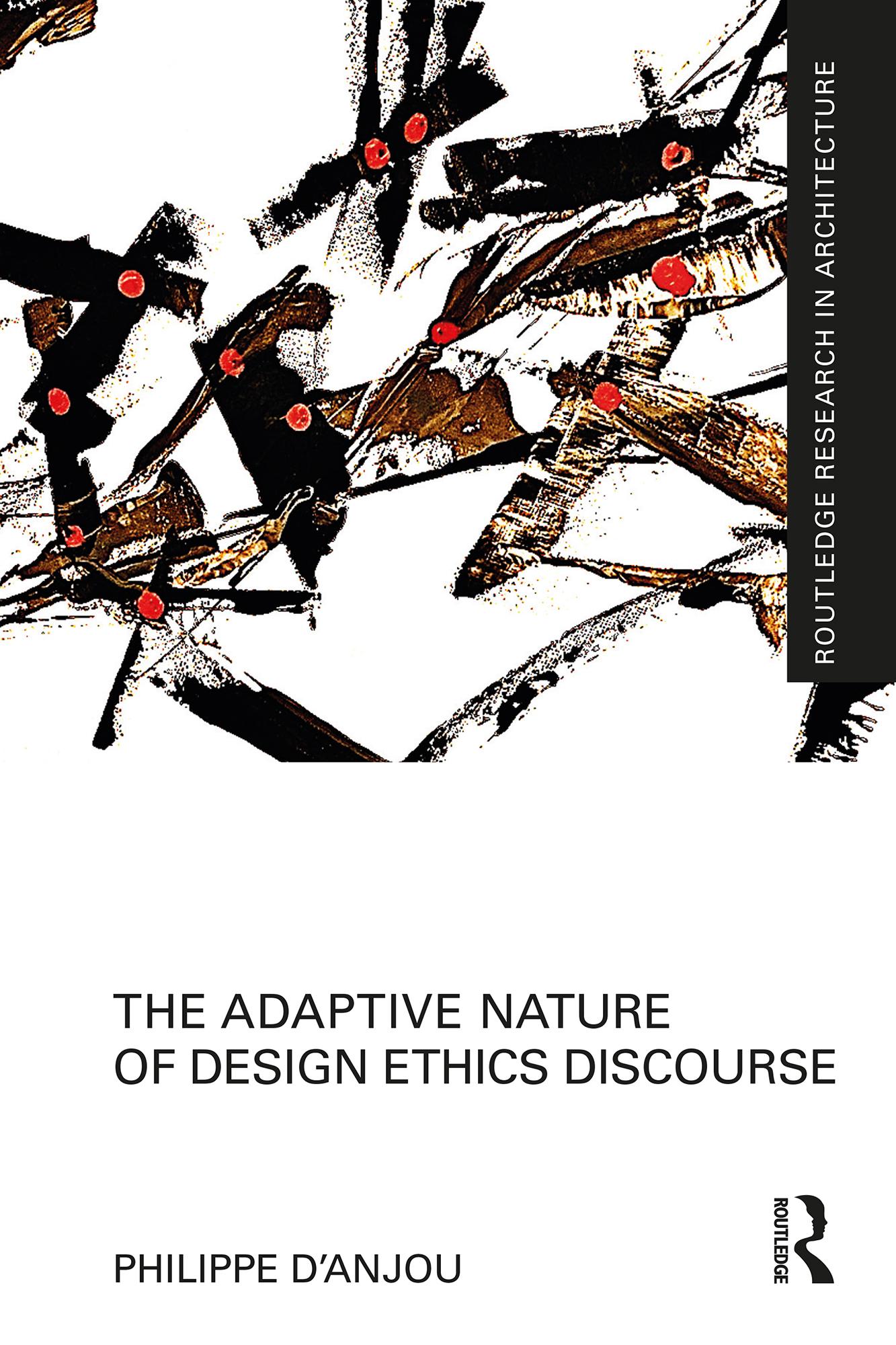
How do designers navigate the ethical discursive territories of design thinking and practice when the same common terms they consistently use across the different design ethics paradigms—like fair, right, good—convey different meanings? Delving into the dynamic and adaptable nature of ethical language and terminology in design, The Adaptive Nature of Design Ethics Discourse argues that it is intrinsically flexible—what can be described as chameleonic. Engaging in a meta-ethical investigation, this book elucidates the interconnections of key terms of design ethics discourse and explores the way in which different frameworks of design ethics both diverge and intersect.
The book challenges existing perspectives on ethical discourse in design by highlighting the complexities of such discourse and the tensions that emerge when universal language encounters various ethical views. By shedding light on these tensions, The Adaptive Nature of Design Ethics Discourse provides alternative ways to apprehend the ethical sense of responsibility of designers as well as a foundation for rethinking the discursive fabric of design ethics practice.
This pivotal work is intended for researchers, educators, students, and practitioners across all design disciplines, including, among others, architecture, engineering, product design, systems design, and urban planning.
Payez facilement par carte, Klarna, Apple Pay ou Google Pay. Pas satisfait ? Vous avez toujours une garantie de remboursement de 14 jours. En savoir plus dans nos conditions. Si vous avez des questions, envoyez-nous un e-mail à hello@memmo.org.
Memmo facilite tes études, où que tu sois dans le monde. On rassemble tes manuels de cours et des outils d'étude intelligents au même endroit : résumés, quiz, podcasts et flashcards. Et il y a Ted, ton compagnon d'étude qui répond à toutes tes questions. Plus de 50 000 étudiants étudient déjà ici – conçu pour t'aider à apprendre plus vite et à moins stresser.