
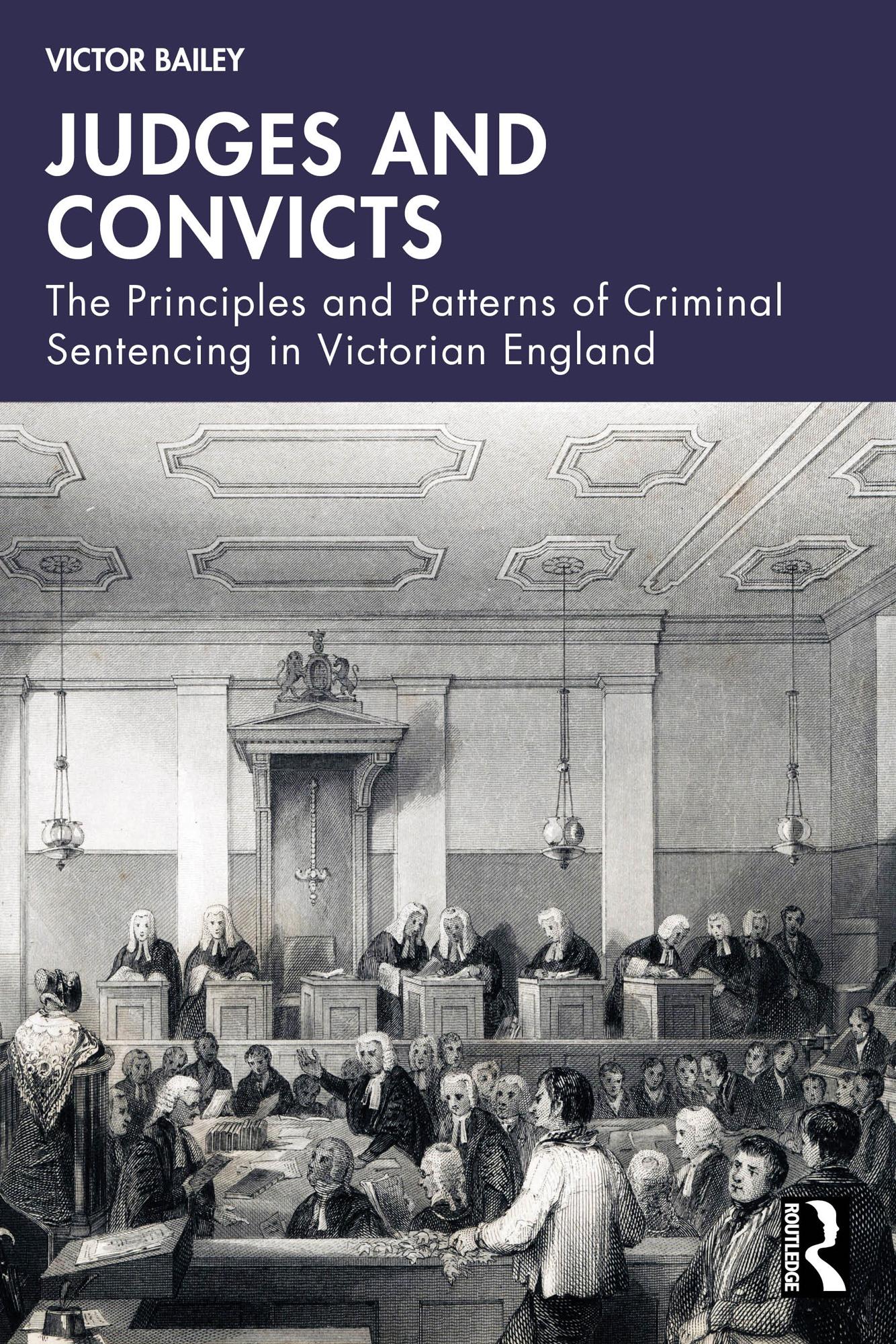
Uncovering the origins of the new sentencing structure that emerged in the course of the nineteenth century, this book travels from the demise of the "Bloody Code" in the 1830s, through the mid-century transition from convict transportation to home-based penal servitude, and on to the remarkable and unprecedented mitigation of sentencing severity in the final two decades of the century.
By providing such an extended span of analysis, this book reveals the discrete stages of development in sentencing policy and practice, and particularly the contribution of the small coterie of professional judges at the county Assizes, the Old Bailey (or Central Criminal Court), and the Middlesex Sessions, around whose sentencing decisions the study revolves. In consequence, readers are offered an overarching survey of the nineteenth-century trends in sentencing, including an account of the struggle between politicians, mandarins, and judges for supremacy in sentencing, along with a detailed explanation of that remarkable mitigation of sentencing severity that ultimately defined a new equation between crime and punishment, or the modern sentencing tariff.
Judges and Convicts: The Principles and Patterns of Criminal Sentencing in Victorian England will be of great appeal to students and scholars of history, law, criminology, and sociology, particularly to those with an interest in the history of the criminal trial, the judiciary, punishment, and sentencing.
Payez facilement par carte, Klarna, Apple Pay ou Google Pay. Pas satisfait ? Vous avez toujours une garantie de remboursement de 14 jours. En savoir plus dans nos conditions. Si vous avez des questions, envoyez-nous un e-mail à hello@memmo.org.
Memmo facilite tes études, où que tu sois dans le monde. On rassemble tes manuels de cours et des outils d'étude intelligents au même endroit : résumés, quiz, podcasts et flashcards. Et il y a Ted, ton compagnon d'étude qui répond à toutes tes questions. Plus de 50 000 étudiants étudient déjà ici – conçu pour t'aider à apprendre plus vite et à moins stresser.