
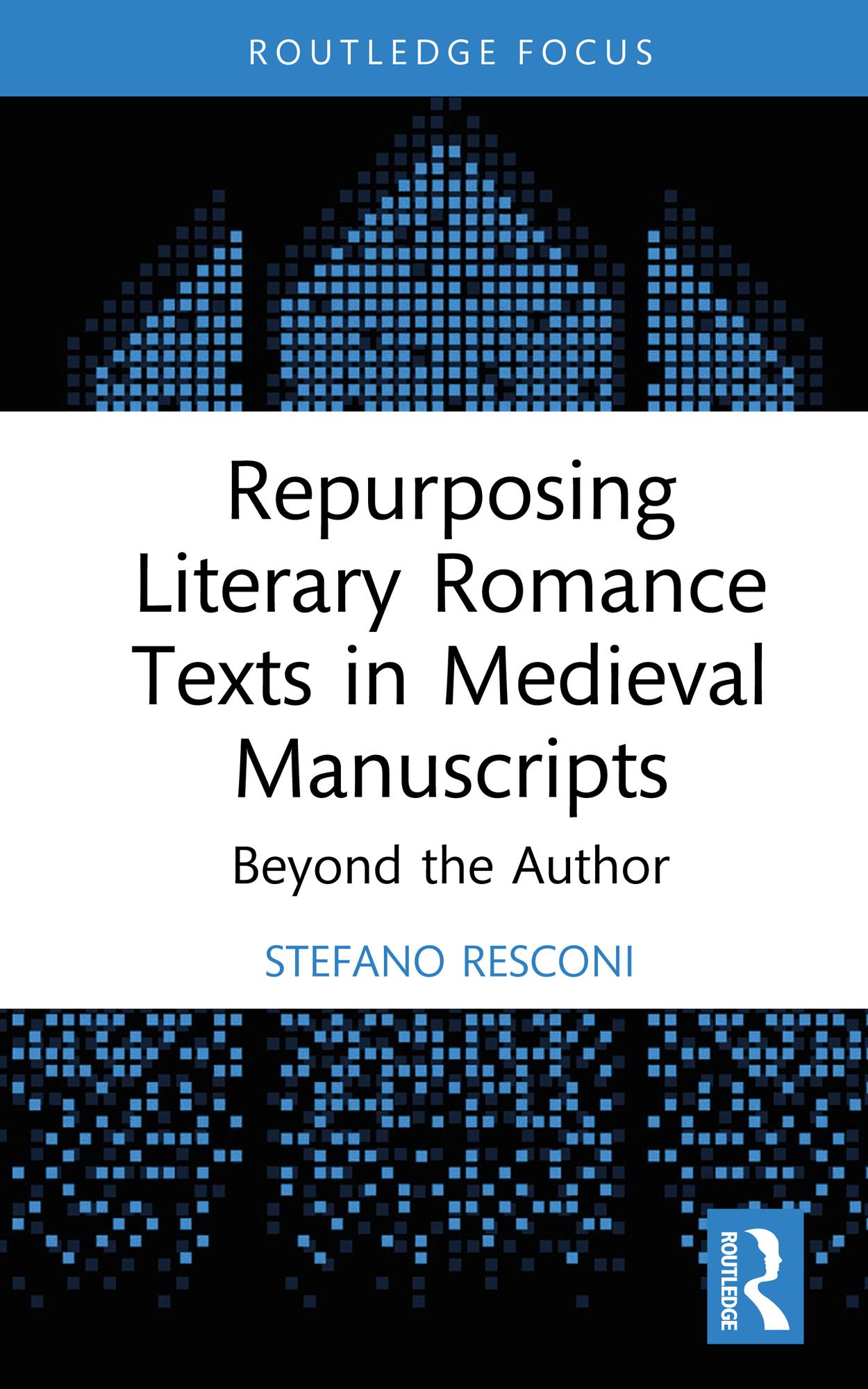
Transcribing a text within a Medieval manuscript was often not a culturally and ideologically neutral act. The lack of direct control by the authors over the circulation of their works allowed scribes to employ particularly refined strategies aimed at assigning new functions and meanings to these texts, which might appear very different from the original to the readers. This could be achieved in various ways, such as manipulating the configuration of the manuscript, creating or emphasising textual connections within organised collections, exploiting paratexts, or making more significant alterations to the text itself.
This volume provides an overview of the primary ways in which textual repurposing and the consequent guiding of the reader are achieved within the manuscript tradition of Medieval Romance literary texts. Each method is described and exemplified through detailed analysis of particularly significant cases, which not only offer interesting insights into the perception of authorship in this literary context but also reveal unexpected ways through which manuscript compilers revitalise and enhance the communication of the works they handle.
This book will be of interest to readers of Romance Medieval literature, Medieval manuscript culture, and material philology.
Payez facilement par carte, Klarna, Apple Pay ou Google Pay. Pas satisfait ? Vous avez toujours une garantie de remboursement de 14 jours. En savoir plus dans nos conditions. Si vous avez des questions, envoyez-nous un e-mail à hello@memmo.org.
Memmo facilite tes études, où que tu sois dans le monde. On rassemble tes manuels de cours et des outils d'étude intelligents au même endroit : résumés, quiz, podcasts et flashcards. Et il y a Ted, ton compagnon d'étude qui répond à toutes tes questions. Plus de 50 000 étudiants étudient déjà ici – conçu pour t'aider à apprendre plus vite et à moins stresser.