
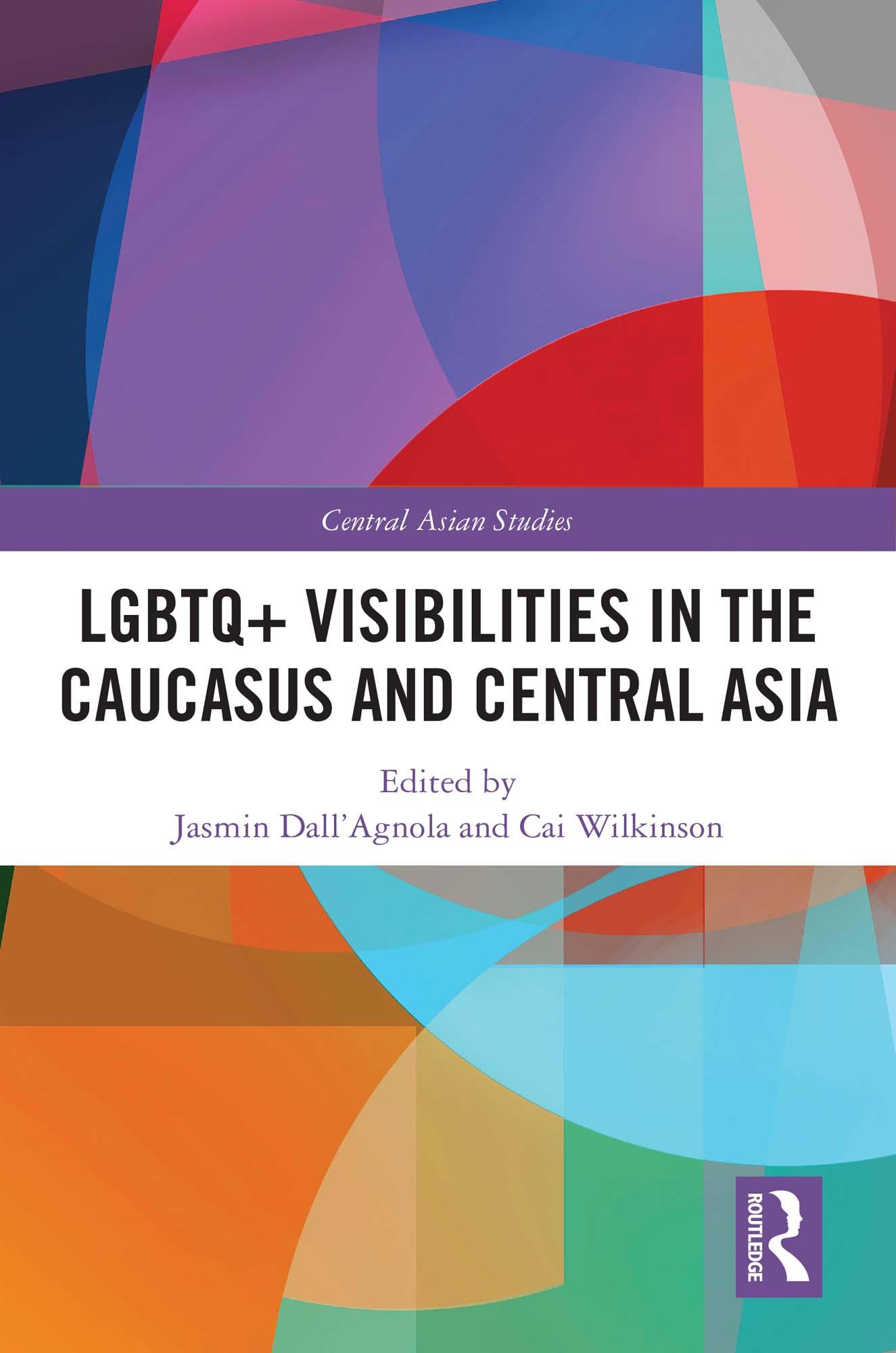
This book discusses the ongoing challenges of queer visibilities, activism, and knowledge production and demonstrates that there are lessons to be learned from the experiences of queer people in the Caucasus and Central Asia.
The idea for this book emerged from a desire to showcase queer scholarship in and on the region, following a panel discussion about the visibility of queer communities in the post-Soviet space at the ASEEES virtual convention in December 2021. The contributions in this book explore questions, including but not limited to: Under what circumstances and conditions does the Internet play a polarizing or liberalizing role in relation to sexual and gender diversities? What accounts for the divergent trajectories of LGBTQ+ rights recognition in different states and regions of the world? How is expanding access to the Internet and persistent government censorship and queerphobia changing LGBTQ+ identities, visibilities, and activism?
Via their engagements with the questions outlined above, this book amply demonstrates not just the relevance of scholarship about LGBTQ+ communities and activism for both area studies and queer studies but the ongoing need to interrogate existing political economies of knowledge production.
The chapters in this book were originally published in Central Asian Survey and are accompanied by a new Foreword, an updated Introduction, an Epilogue, and an Afterword.
Payez facilement par carte, Klarna, Apple Pay ou Google Pay. Pas satisfait ? Vous avez toujours une garantie de remboursement de 14 jours. En savoir plus dans nos conditions. Si vous avez des questions, envoyez-nous un e-mail à hello@memmo.org.
Memmo facilite tes études, où que tu sois dans le monde. On rassemble tes manuels de cours et des outils d'étude intelligents au même endroit : résumés, quiz, podcasts et flashcards. Et il y a Ted, ton compagnon d'étude qui répond à toutes tes questions. Plus de 50 000 étudiants étudient déjà ici – conçu pour t'aider à apprendre plus vite et à moins stresser.