
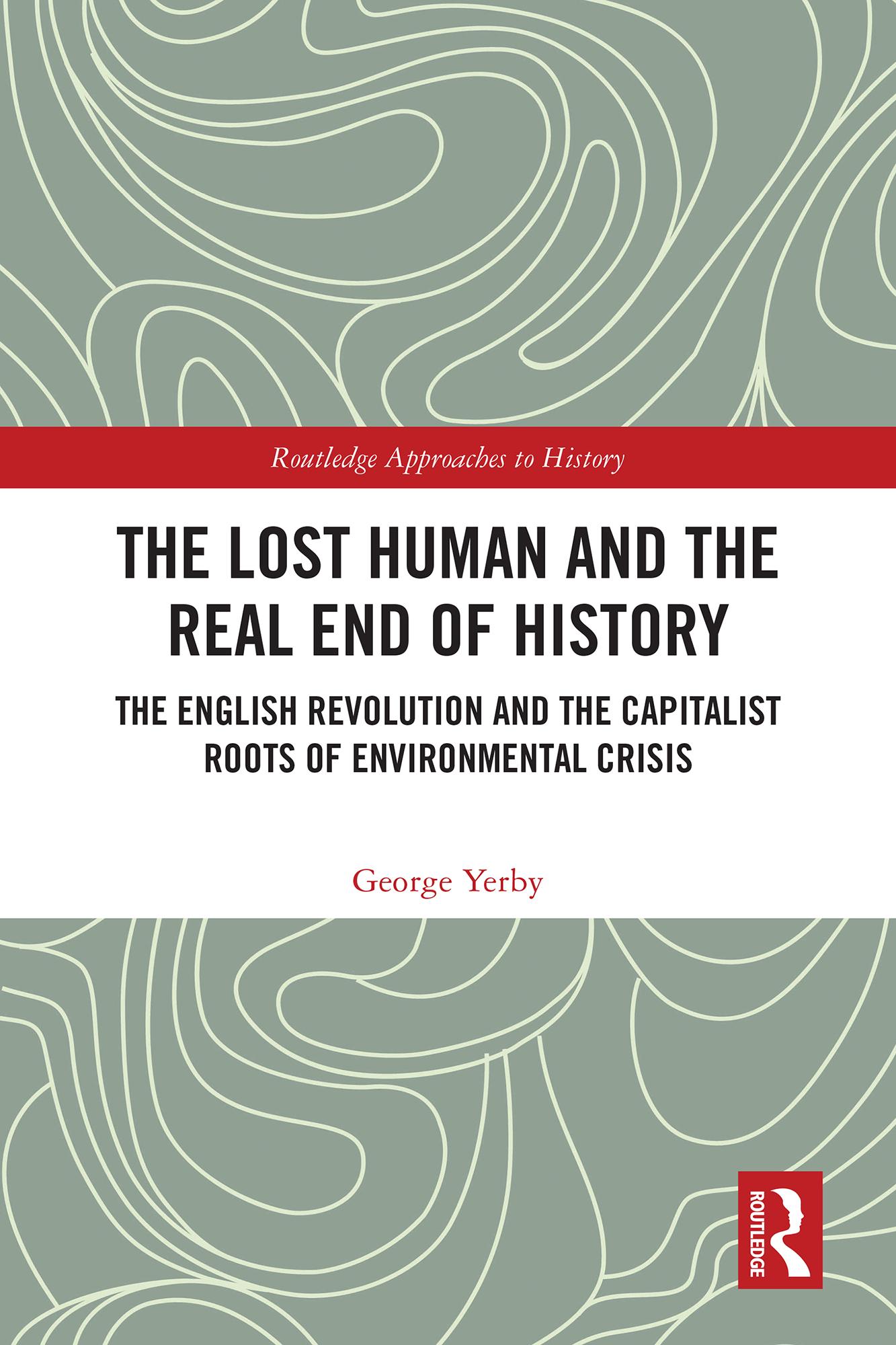
This book analyses the transformation in 16th- and 17th- century English economic life that overturned the traditional restraints of the medieval economy for the commercial ethos that governs the modern world, and the resulting imbalance which opened the way to the environmental breakdown of today.
On the open fields and commons, the smallholders had worked closely with the land as given, with minimal intervention in natural processes. The 16th century introduced a fundamental difference of approach as the inducement of exceptional profits encouraged manipulative exploitation of the land. “Freedom of trade” from arbitrary restraints and impositions became the new economic ethos, officially established by the mid-17th-century revolution and reinforced by other changes such as the emergence of the nationstate. The “rise of science” was associated with the agriculturalist adoption of empirical method for “improvement”, and a new philosophy accorded humankind the right to degrade other species for its own ends. By focusing on the causes and effects of capitalism at its first appearance, this volume traces the environmental crisis back to the switch from an essentially universalist to a basically individualist world.
This book will be of interest to scholars and students of Early Modern England, Economic Studies, and Environmental Studies.
Payez facilement par carte, Klarna, Apple Pay ou Google Pay. Pas satisfait ? Vous avez toujours une garantie de remboursement de 14 jours. En savoir plus dans nos conditions. Si vous avez des questions, envoyez-nous un e-mail à hello@memmo.org.
Memmo facilite tes études, où que tu sois dans le monde. On rassemble tes manuels de cours et des outils d'étude intelligents au même endroit : résumés, quiz, podcasts et flashcards. Et il y a Ted, ton compagnon d'étude qui répond à toutes tes questions. Plus de 50 000 étudiants étudient déjà ici – conçu pour t'aider à apprendre plus vite et à moins stresser.