
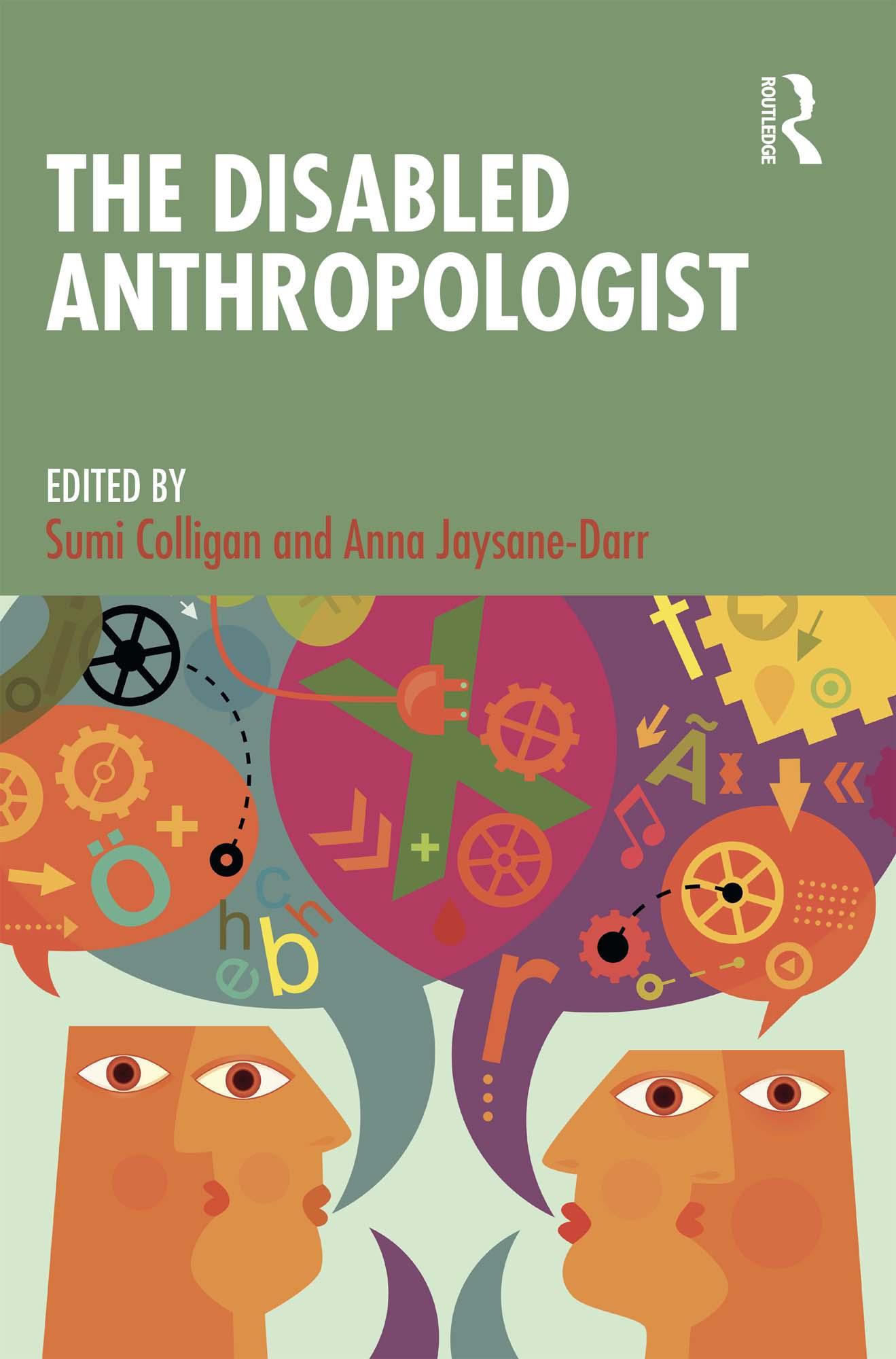
This book brings much needed attention to disabled anthropologists, making clear that “disabled” and “anthropologist” belong together. The disabled anthropologists who contribute to this volume and on which these chapters focus have refused erasure from a profession that would ignore their critiques and creativity. Applying autoethnographic, photographic, and poetic venues, the contributors assess the drawbacks of their anthropology training programs, the limitations of accessibility practices in the academy, and how their own embodiments and the contingencies of their research and research settings have facilitated the discovery of novel methodologies and insights. Collectively this volume’s contributors demonstrate a shared concern for the wellbeing of disabled ethnographers and interlocutors, whether working with Colombian refugees in Ecuador or those living with chronic pain in Michigan.
The Disabled Anthropologist is essential reading for students and scholars working in cultural and medical anthropology.
Payez facilement par carte, Klarna, Apple Pay ou Google Pay. Pas satisfait ? Vous avez toujours une garantie de remboursement de 14 jours. En savoir plus dans nos conditions. Si vous avez des questions, envoyez-nous un e-mail à hello@memmo.org.
Memmo facilite tes études, où que tu sois dans le monde. On rassemble tes manuels de cours et des outils d'étude intelligents au même endroit : résumés, quiz, podcasts et flashcards. Et il y a Ted, ton compagnon d'étude qui répond à toutes tes questions. Plus de 50 000 étudiants étudient déjà ici – conçu pour t'aider à apprendre plus vite et à moins stresser.