
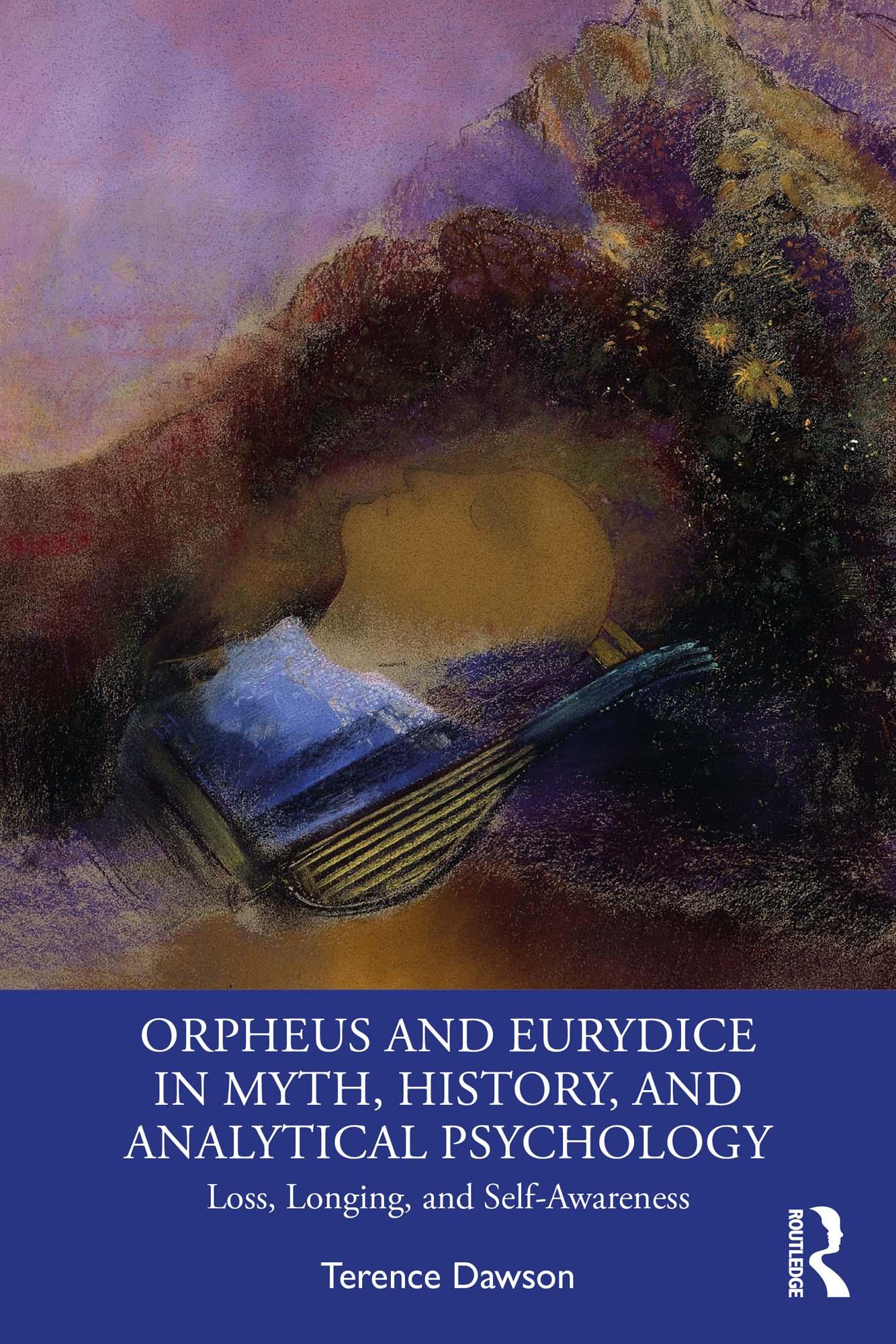
This fascinating study shows how the minor Greek story of Orpheus and Eurydice came to have a more persistent and varied impact on Western culture than any other Greek myth. In the last 2,000 years, it has captivated the imagination of successive ages. Writers and other artists have turned to it to explore unexpectedly diverse concerns, from classical philosophy, through Christian values, to challenges involving individual psychology and societal well-being.
Dawson’s study of the mythic imagination traces how these concerns unfold in poems, plays, novels, films, paintings, operas, ballets, and sculptures. It charts a history of responses to the experience of loss and longing and the need to grow in self-awareness. And it illustrates how responses to this myth anticipate many of the claims associated with analytical psychology.
This book will be of interest to analysts, scholars, and students working with Jung’s ideas, and to all those interested in adaptations of myth and the implications they harbour.
Payez facilement par carte, Klarna, Apple Pay ou Google Pay. Pas satisfait ? Vous avez toujours une garantie de remboursement de 14 jours. En savoir plus dans nos conditions. Si vous avez des questions, envoyez-nous un e-mail à hello@memmo.org.
Memmo facilite tes études, où que tu sois dans le monde. On rassemble tes manuels de cours et des outils d'étude intelligents au même endroit : résumés, quiz, podcasts et flashcards. Et il y a Ted, ton compagnon d'étude qui répond à toutes tes questions. Plus de 50 000 étudiants étudient déjà ici – conçu pour t'aider à apprendre plus vite et à moins stresser.