
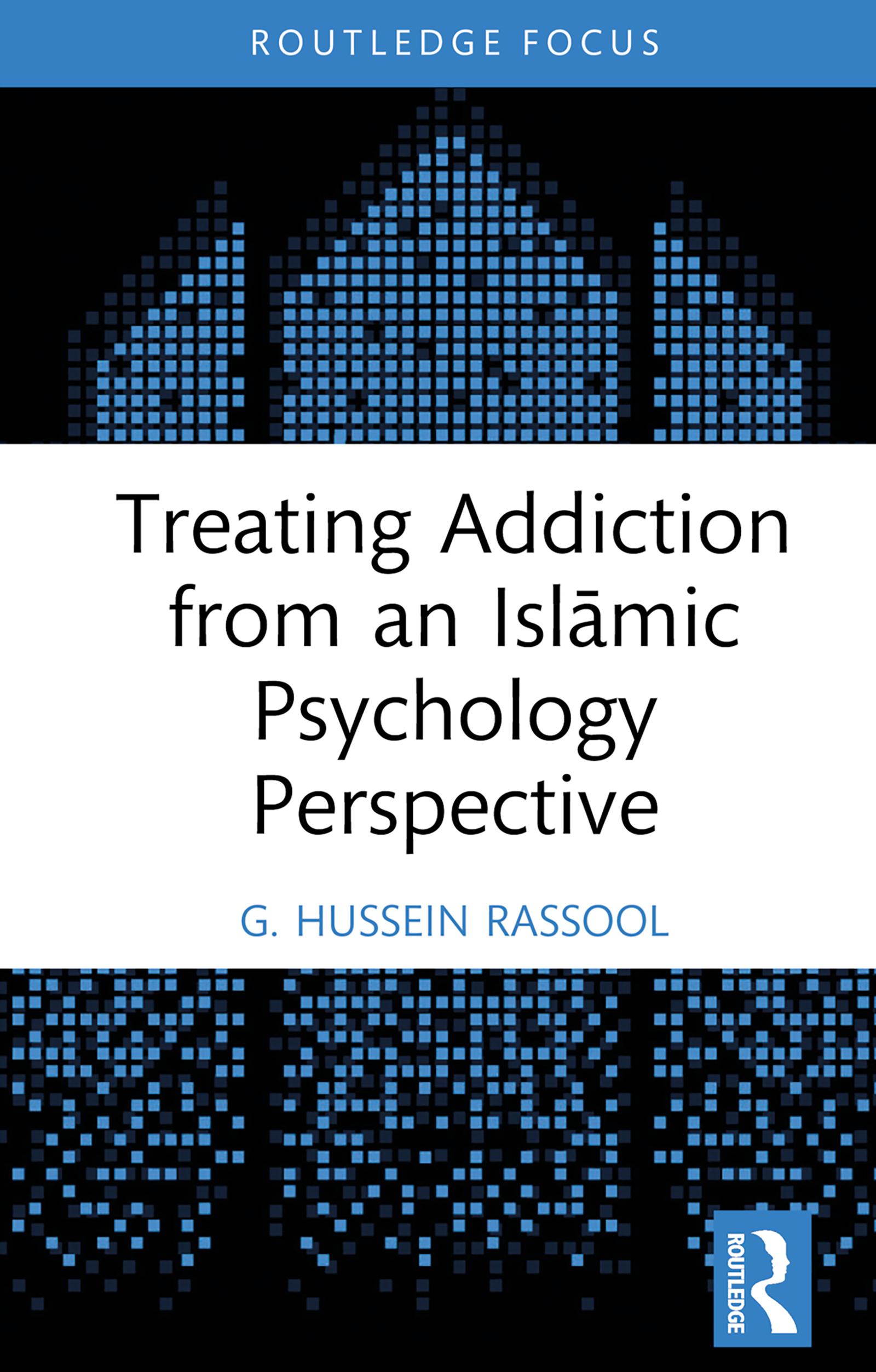
This book provides an understanding of behavioural and substance disorders from an Islāmic psychology perspective.
Despite the religious prohibitions against the use of most substances, addiction is a significant psychosocial and spiritual problem both in Muslim majority countries and among Muslim minorities. However, many Muslim with substance use disorder have been left to suffer in silence because addictive behaviours are considered taboo. Not only do feelings of guilt, shame, and a fear of being stigmatised and excluded from community prevent many from seeking therapeutic and spiritual interventions, there are also limited culturally sensitive service provisions offering help for Muslims with addictive behaviours. This book will synthesise the body of knowledge of the psychology of addiction from an Islāmic perspectives to foster awareness and understanding of addictive behaviours to break that stigma. It will also provide knowledge required to respond effectively to Muslim clients that psychotherapists and counsellors might encounter in their clinical practice, presenting a step-by-step application of Rassool’s Islāmic Psychotherapy Practice model in working with clients with addictive behaviours.
This book will be a valuable read for Islāmic psychologists, psychotherapists, and counsellors, addiction researchers and specialists, and students in these fields.
Payez facilement par carte, Klarna, Apple Pay ou Google Pay. Pas satisfait ? Vous avez toujours une garantie de remboursement de 14 jours. En savoir plus dans nos conditions. Si vous avez des questions, envoyez-nous un e-mail à hello@memmo.org.
Memmo facilite tes études, où que tu sois dans le monde. On rassemble tes manuels de cours et des outils d'étude intelligents au même endroit : résumés, quiz, podcasts et flashcards. Et il y a Ted, ton compagnon d'étude qui répond à toutes tes questions. Plus de 50 000 étudiants étudient déjà ici – conçu pour t'aider à apprendre plus vite et à moins stresser.