
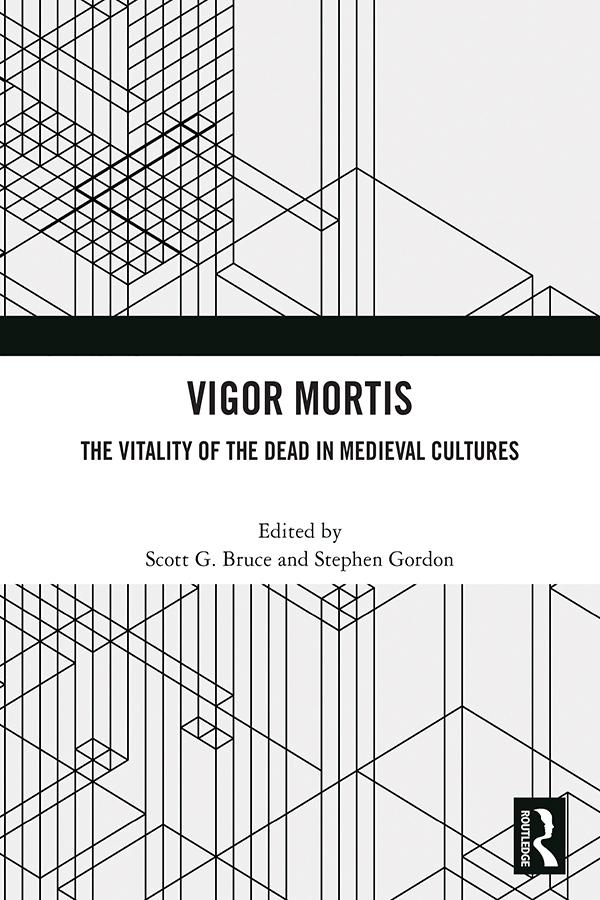
This volume explores the enduring presence and participation of the dead in the lives of premodern people from the Carolingian period to the end of the Middle Ages.
Unlike modern states, which erect barriers to separate the dying and the deceased from their families, friends, and associates, premodern societies in western Europe fostered an on-going relationship between the living and the dead that was mutually beneficial to both parties. As these studies show, the dead had many means at their disposal to communicate their needs and disaffection, including ghostly visitations and unquiet corpses. For their part, medieval authors told stories about the fate of the dead and the geography of the afterlife to dissuade sinful behaviour and foster virtue in preparation for the Last Judgment. Premodern hauntings also serve as a useful metaphor for the uncertainty of archival research in recovering past voices and for the racial presumptions that inform our reconstruction of the western Middle Ages.
This book will appeal to scholars and students of history and literature, especially those interested in the concept of death in the medieval period. The chapters in this book were originally published in the Journal of Medieval History.
Payez facilement par carte, Klarna, Apple Pay ou Google Pay. Pas satisfait ? Vous avez toujours une garantie de remboursement de 14 jours. En savoir plus dans nos conditions. Si vous avez des questions, envoyez-nous un e-mail à hello@memmo.org.
Memmo facilite tes études, où que tu sois dans le monde. On rassemble tes manuels de cours et des outils d'étude intelligents au même endroit : résumés, quiz, podcasts et flashcards. Et il y a Ted, ton compagnon d'étude qui répond à toutes tes questions. Plus de 50 000 étudiants étudient déjà ici – conçu pour t'aider à apprendre plus vite et à moins stresser.