
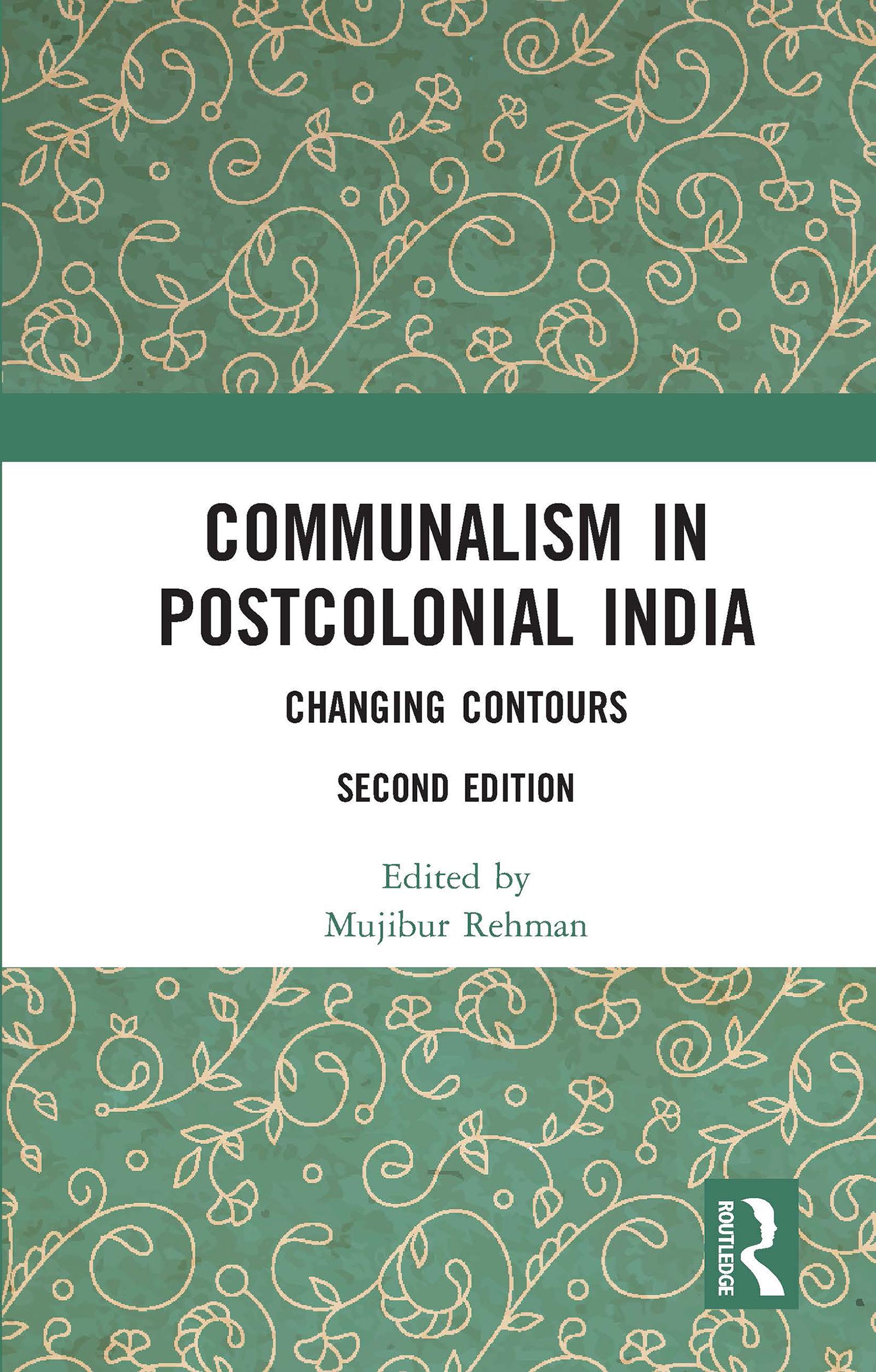
This book reconceptualises the idea of communalism in independent India. It locates the changing contours of politics and religion in the country from the colonial times to the present day, and makes an important intervention in understanding the relationship between communalism and communal violence. It evaluates the role of state, media, civil societies, political parties, and other actors in the process as well as ideas such as secularism, nationalism, minority rights and democracy. Using new conceptual tools and an interdisciplinary approach, the work challenges the conventional understanding of communalism as time and context independent.
This second edition includes a Foreword by Romila Thapar and an Afterword by Dipesh Chakrabarty, along with a new Introduction which revaluate the trajectory of communal politics in contemporary India, and question how secularism has come to be understood today. This topical volume will be useful to scholars and researchers in South Asian politics, political science, history, sociology and social anthropology, as well as the interested general reader.
Payez facilement par carte, Klarna, Apple Pay ou Google Pay. Pas satisfait ? Vous avez toujours une garantie de remboursement de 14 jours. En savoir plus dans nos conditions. Si vous avez des questions, envoyez-nous un e-mail à hello@memmo.org.
Memmo facilite tes études, où que tu sois dans le monde. On rassemble tes manuels de cours et des outils d'étude intelligents au même endroit : résumés, quiz, podcasts et flashcards. Et il y a Ted, ton compagnon d'étude qui répond à toutes tes questions. Plus de 50 000 étudiants étudient déjà ici – conçu pour t'aider à apprendre plus vite et à moins stresser.