
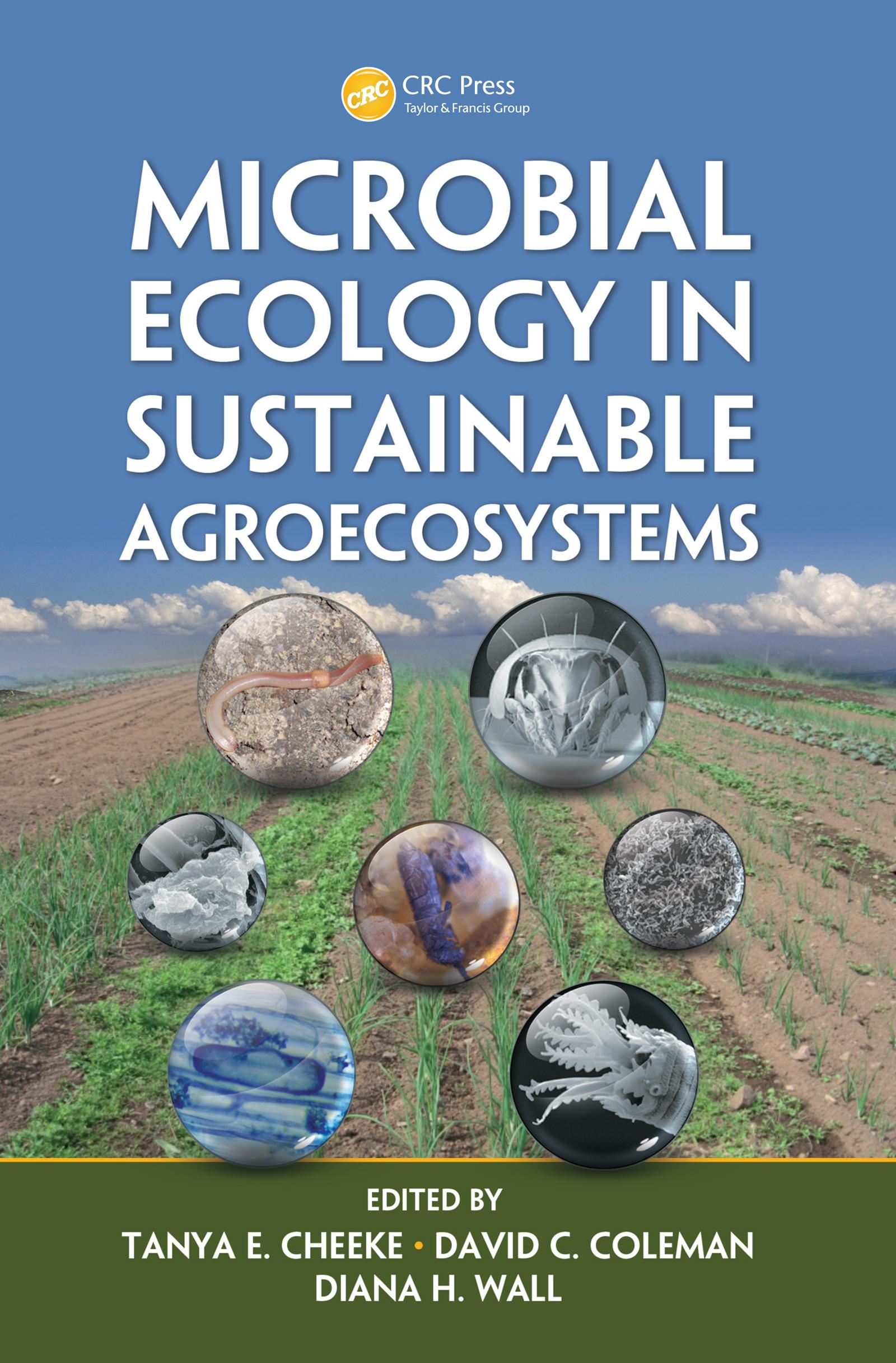
While soil ecologists continue to be on the forefront of research on biodiversity and ecosystem function, there are few interdisciplinary studies that incorporate ecological knowledge into sustainable land management practices. Conventional, high fossil-fuel input-based agricultural systems can reduce soil biodiversity, alter soil community structure and nutrient cycling, and lead to greater dependence on energy-intensive practices.
Microbial Ecology in Sustainable Agroecosystems brings together soil ecologists, microbial ecologists, and agroecologists working globally to demonstrate how research in soil ecology can contribute to the long-term sustainability of agricultural systems. The book identifies five key areas of research that can be combined to support and direct sustainable land management practices: agriculture, biodiversity, ecosystem services, integrated soil ecology research, and policy.
Topics include:
- A broad range of soil microbial processes in terms of the importance of microbial heterogeneity
- Inputs by soil microorganisms into wheat-farming systems
- The importance of arbuscular mycorrhizal fungi in making nutrients more available to crops
- The benefits and environmental problems associated with the use of crops genetically modified with Bacillus thuringiensis
- The incorporation of soil ecological or microbial ecological theory into agricultural practice to improve agricultural productivity and sustainability
- Challenges in sustainable agricultural research and the need for coalescing new avenues of research in agriculture and soil ecology
The contributors range from long-time ecological researchers to graduate students and early career scientists, representing a wide spectrum of experience, ages, diversity, and research interests in this area. They cover the diversity and complexity of microbial activity and interactions in soil systems and the many ways in which microorganisms may be manipulated and managed to improve the functions of crop rhizospheres and thereby maximize crop yields and overall productivity. These recommendations can be used to direct and influence agricultural and environmental policy and guide future research in sustainable agricultural systems management.
Payez facilement par carte, Klarna, Apple Pay ou Google Pay. Pas satisfait ? Vous avez toujours une garantie de remboursement de 14 jours. En savoir plus dans nos conditions. Si vous avez des questions, envoyez-nous un e-mail à hello@memmo.org.
Memmo facilite tes études, où que tu sois dans le monde. On rassemble tes manuels de cours et des outils d'étude intelligents au même endroit : résumés, quiz, podcasts et flashcards. Et il y a Ted, ton compagnon d'étude qui répond à toutes tes questions. Plus de 50 000 étudiants étudient déjà ici – conçu pour t'aider à apprendre plus vite et à moins stresser.