
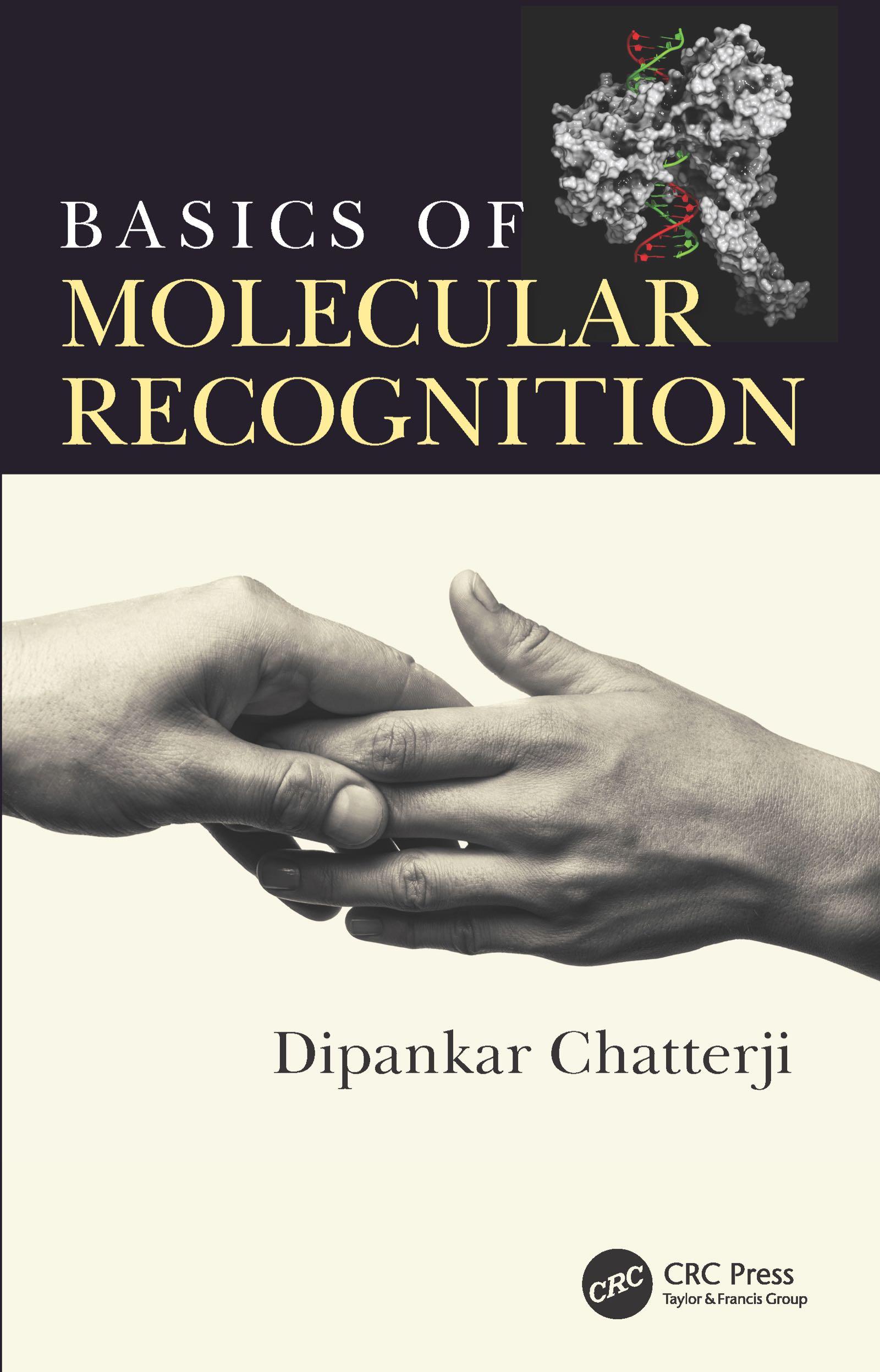
Basics of Molecular Recognition explores fundamental recognition principles between monomers or macromolecules that lead to diverse biological functions. Based on the author’s longtime courses, the book helps readers understand the structural aspects of macromolecular recognition and stimulates further research on whether molecules similar to DNA or protein can be synthesized chemically.
The book begins with the types of bonds that participate in the recognition and the functional groups that are capable of forming these bonds. It then explains how smaller molecules select their partners in the overall recognition scheme, offering examples of specific recognition patterns involving molecules other than nucleic acids. The core of the book focuses on macromolecular recognition—the central dogma of molecular biology. The author discusses various methods for studying molecular recognition. He also describes how molecules without biological functions can be arrayed or folded following certain rules and examines the nature of interactions among them.
Molecular recognition is a vast area encompassing every aspect of biology. This book highlights all aspects of non-covalent macromolecular recognition processes, including DNA–protein recognition and sugar–protein recognition.
Payez facilement par carte, Klarna, Apple Pay ou Google Pay. Pas satisfait ? Vous avez toujours une garantie de remboursement de 14 jours. En savoir plus dans nos conditions. Si vous avez des questions, envoyez-nous un e-mail à hello@memmo.org.
Memmo facilite tes études, où que tu sois dans le monde. On rassemble tes manuels de cours et des outils d'étude intelligents au même endroit : résumés, quiz, podcasts et flashcards. Et il y a Ted, ton compagnon d'étude qui répond à toutes tes questions. Plus de 50 000 étudiants étudient déjà ici – conçu pour t'aider à apprendre plus vite et à moins stresser.