
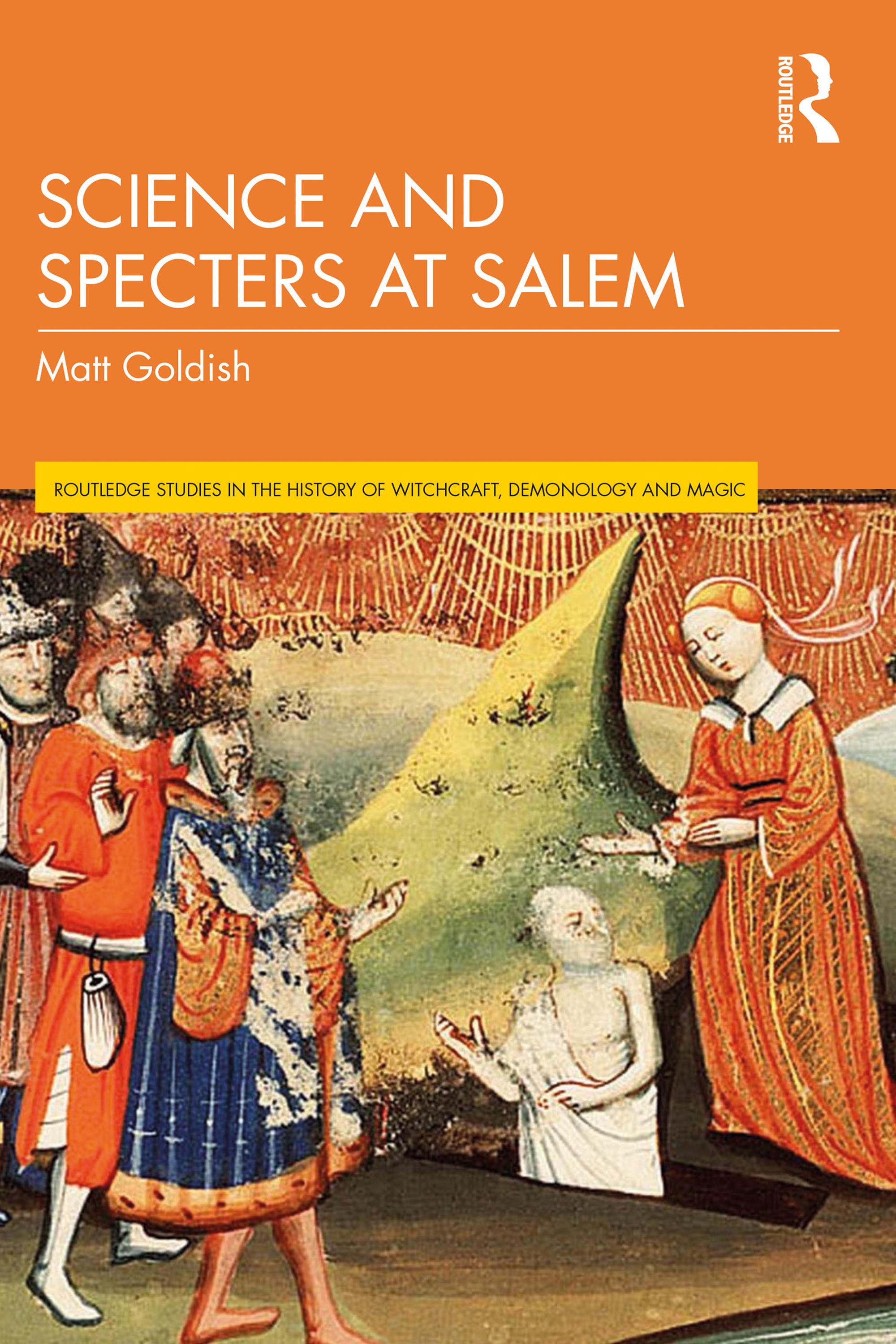
Most studies of the Salem witch trials focus on social history and the dynamics between accused and accusers. Science and Specters at Salem turns instead to the intellectual background of the judges to understand why they accepted controversial types of evidence.
The role of judges in a witch trial was central. Goldish argues that in Salem the judges' acceptance of questionable touch tests and spectral evidence was a result of their intellectual commitments. Several of the Salem judges were highly educated, and some of them were adherents of a particular philosophical school in England led by Henry More and Joseph Glanvill which Goldish calls "the anti-Sadducees." He demonstrates how the ideas of these leading thinkers, friends of Robert Boyle and Sir Isaac Newton, could have led to the deaths of twenty accused witches in Salem.
This book will interest students and scholars of witch trials, American colonial history, Atlantic history, legal history and early modern Europe, as well as lay readers wanting a better understanding of Salem.
Payez facilement par carte, Klarna, Apple Pay ou Google Pay. Pas satisfait ? Vous avez toujours une garantie de remboursement de 14 jours. En savoir plus dans nos conditions. Si vous avez des questions, envoyez-nous un e-mail à hello@memmo.org.
Memmo facilite tes études, où que tu sois dans le monde. On rassemble tes manuels de cours et des outils d'étude intelligents au même endroit : résumés, quiz, podcasts et flashcards. Et il y a Ted, ton compagnon d'étude qui répond à toutes tes questions. Plus de 50 000 étudiants étudient déjà ici – conçu pour t'aider à apprendre plus vite et à moins stresser.