
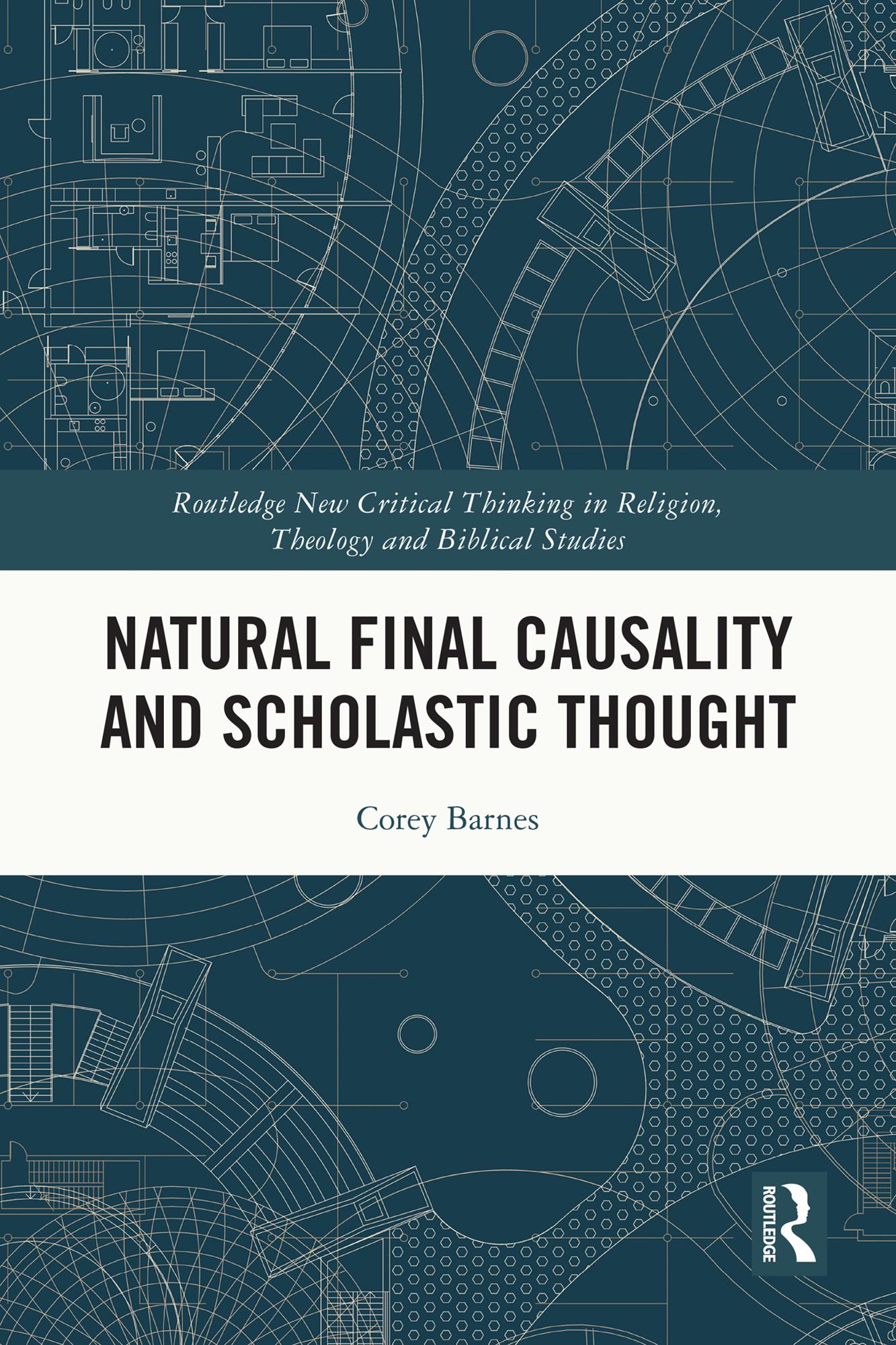
This book examines scholastic conceptions of final causality through the methods and concerns of historical theology. It argues the history of final causality is most profitably understood according to the interplay of regularity, order, and intentionality as interpretive categories. Within this analytic framework, the author explores the history and theological implications of final causality from Aristotle to Nicole Oresme, utilizing shifts in the dominant interpretive category to clarify how final causality could change from one of four co-equal explanatory strategies in Aristotle to the cause of causes in Avicenna to a merely metaphorical cause in Walter Chatton. Theological debates – ranging from questions of creation, the relationship of primary and secondary causality and of the ultimate good to secondary goods, the autonomy or instrumentality of nature, and the compatibility of chance with providence – motivated many of these changes. The chapters examine final causality in Aristotle and the commentorial tradition from late antiquity to medieval Arabic sources and then consider in detail various scholastic understandings and uses of final causality. The book will be of particular interest to scholars of historical theology, systematic theology, scholastic thought, and medieval philosophy.
Payez facilement par carte, Klarna, Apple Pay ou Google Pay. Pas satisfait ? Vous avez toujours une garantie de remboursement de 14 jours. En savoir plus dans nos conditions. Si vous avez des questions, envoyez-nous un e-mail à hello@memmo.org.
Memmo facilite tes études, où que tu sois dans le monde. On rassemble tes manuels de cours et des outils d'étude intelligents au même endroit : résumés, quiz, podcasts et flashcards. Et il y a Ted, ton compagnon d'étude qui répond à toutes tes questions. Plus de 50 000 étudiants étudient déjà ici – conçu pour t'aider à apprendre plus vite et à moins stresser.
Tu pourrais aussi aimer
Acheter le livre0