
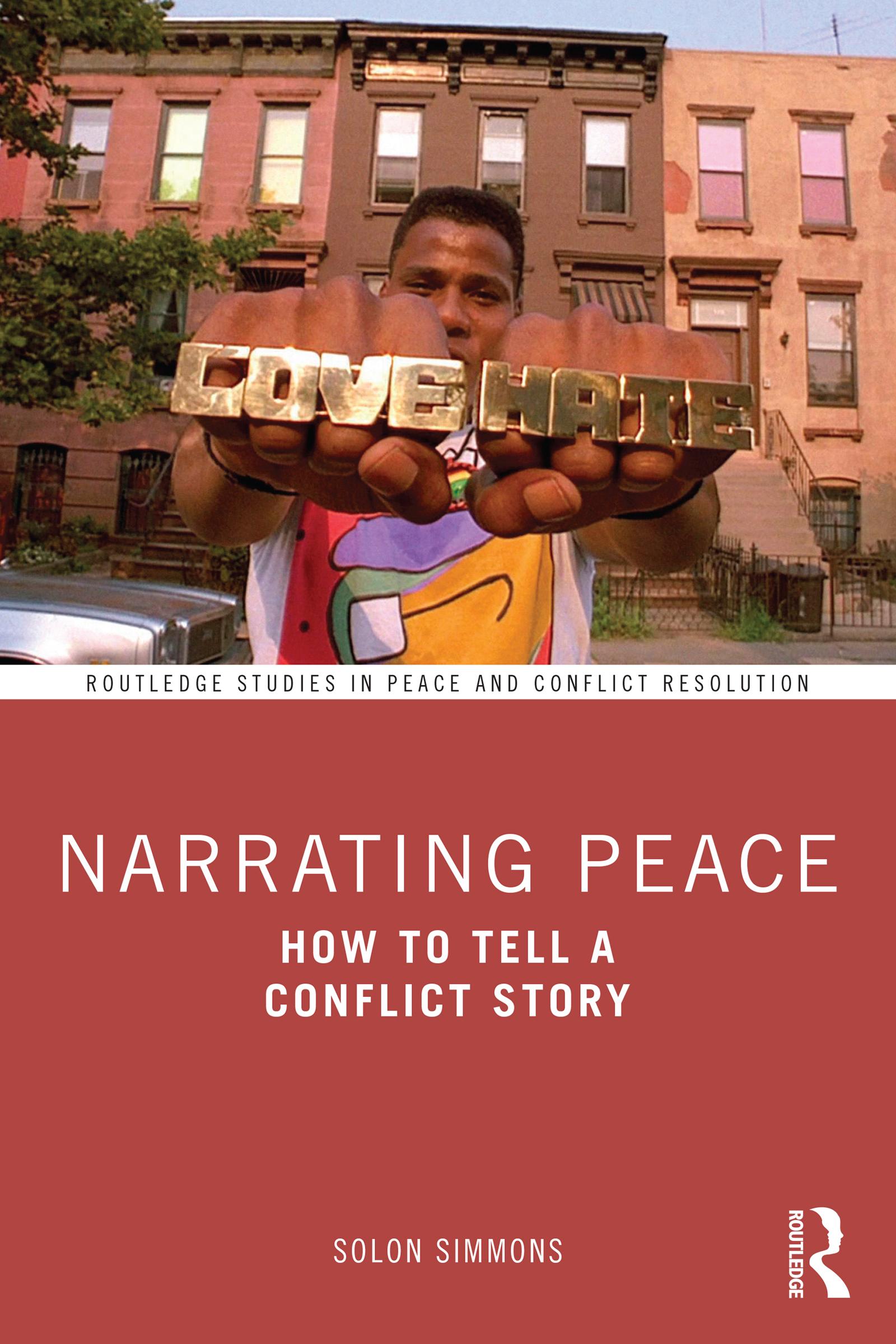
This book provides practical tools, models, and frameworks for thinking about how a story is structured, all in order to help us think about conflict. Using examples from literature and films for developing narrative competence in everyday life, the book illustrates a new model of four basic plot types that can push a reader/viewer either toward political struggle (a justice or vindication story) or toward a journey of self-realization (a peace or reconciliation story). The examples used in the book span a wide array of conflict situations, from climate change to native American genocide, from reproductive rights and gender-based violence to Algerian independence and Arab identity, from Jim Crow segregation and civil rights to the Vietnam War and colonial collapse, from Latino educational opportunities to the liberation of Bengal and the emergence of the idea of the Global South. This simple-to-use model of story grammar is integral for the practice of both politics and peacemaking and opens a new window on literary analysis and the craft of storytelling. Along the way, it provides us with a new way to understand human purpose and offers precise definitions of the concepts of peace and justice.
This book will be of great interest to students and practitioners of international relations, security studies, political theory, and peace and conflict/justice studies.
Payez facilement par carte, Klarna, Apple Pay ou Google Pay. Pas satisfait ? Vous avez toujours une garantie de remboursement de 14 jours. En savoir plus dans nos conditions. Si vous avez des questions, envoyez-nous un e-mail à hello@memmo.org.
Memmo facilite tes études, où que tu sois dans le monde. On rassemble tes manuels de cours et des outils d'étude intelligents au même endroit : résumés, quiz, podcasts et flashcards. Et il y a Ted, ton compagnon d'étude qui répond à toutes tes questions. Plus de 50 000 étudiants étudient déjà ici – conçu pour t'aider à apprendre plus vite et à moins stresser.