
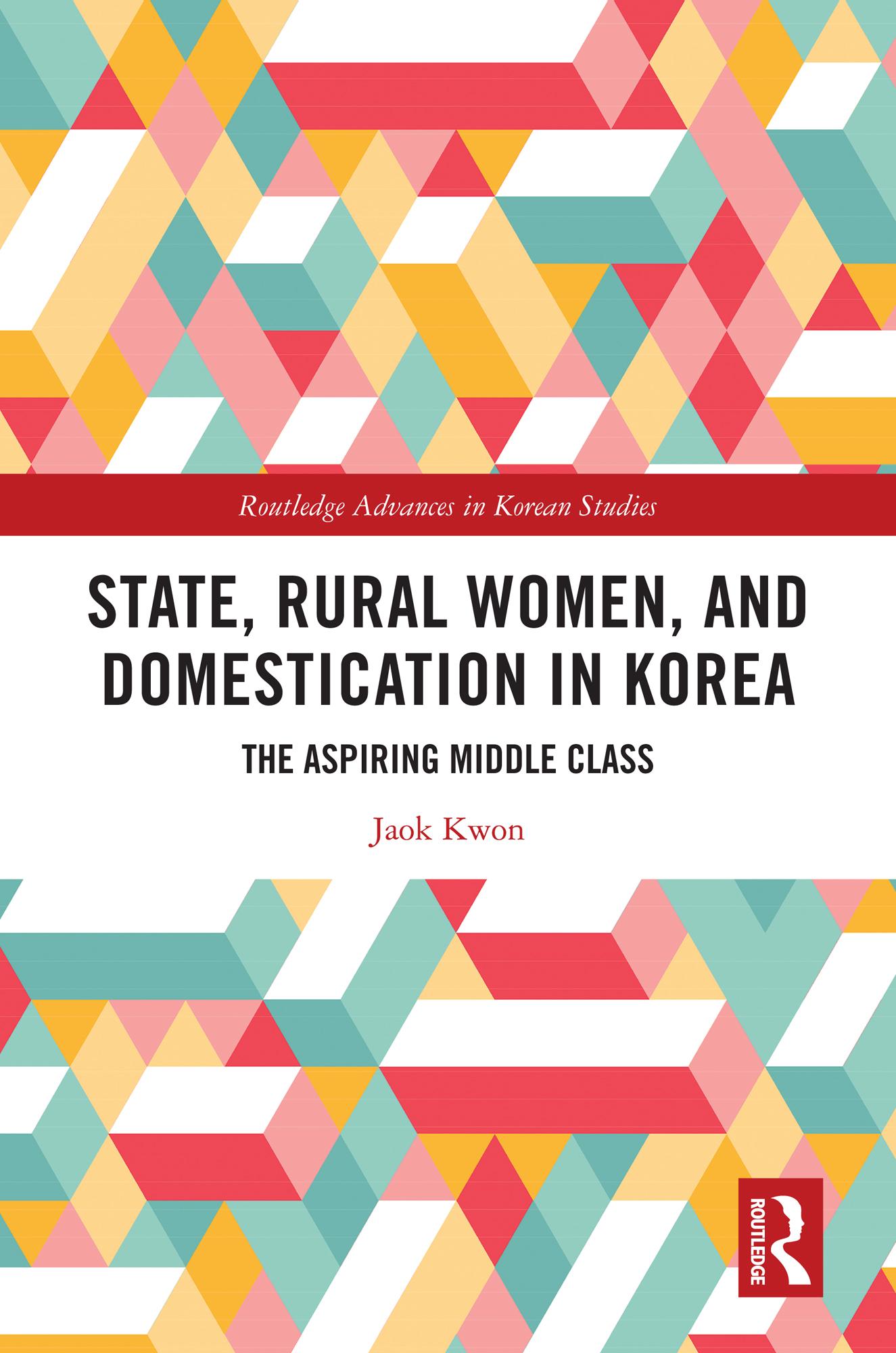
This book explores the dynamic interactions between the state and society during the industrialization of South Korea in the 1960s and 1970s, focusing on rural women as a marginalized social group.
By illuminating rural women’s interactions with the state and their aspirations for entering the middle class, it effectively reveals insights into the gender and class perspectives of industrialization in South Korea. Utilizing an analysis of personal letters from peasant movement activists, documents and periodicals issued by the Korean Catholic Peasant Women’s Organization, as well as in-depth interviews with farmers, housewives, activists of the peasant movements, and governmental officers, this book represents a reconsideration of state-society relations, as well as a reinterpretation of housewife ideology theory.
Highlighting the often-invisible experiences of marginalized rural women, this book will be of great interest to students and scholars of Korean Studies, Women’s Studies, and Rural Studies.
Payez facilement par carte, Klarna, Apple Pay ou Google Pay. Pas satisfait ? Vous avez toujours une garantie de remboursement de 14 jours. En savoir plus dans nos conditions. Si vous avez des questions, envoyez-nous un e-mail à hello@memmo.org.
Memmo facilite tes études, où que tu sois dans le monde. On rassemble tes manuels de cours et des outils d'étude intelligents au même endroit : résumés, quiz, podcasts et flashcards. Et il y a Ted, ton compagnon d'étude qui répond à toutes tes questions. Plus de 50 000 étudiants étudient déjà ici – conçu pour t'aider à apprendre plus vite et à moins stresser.