
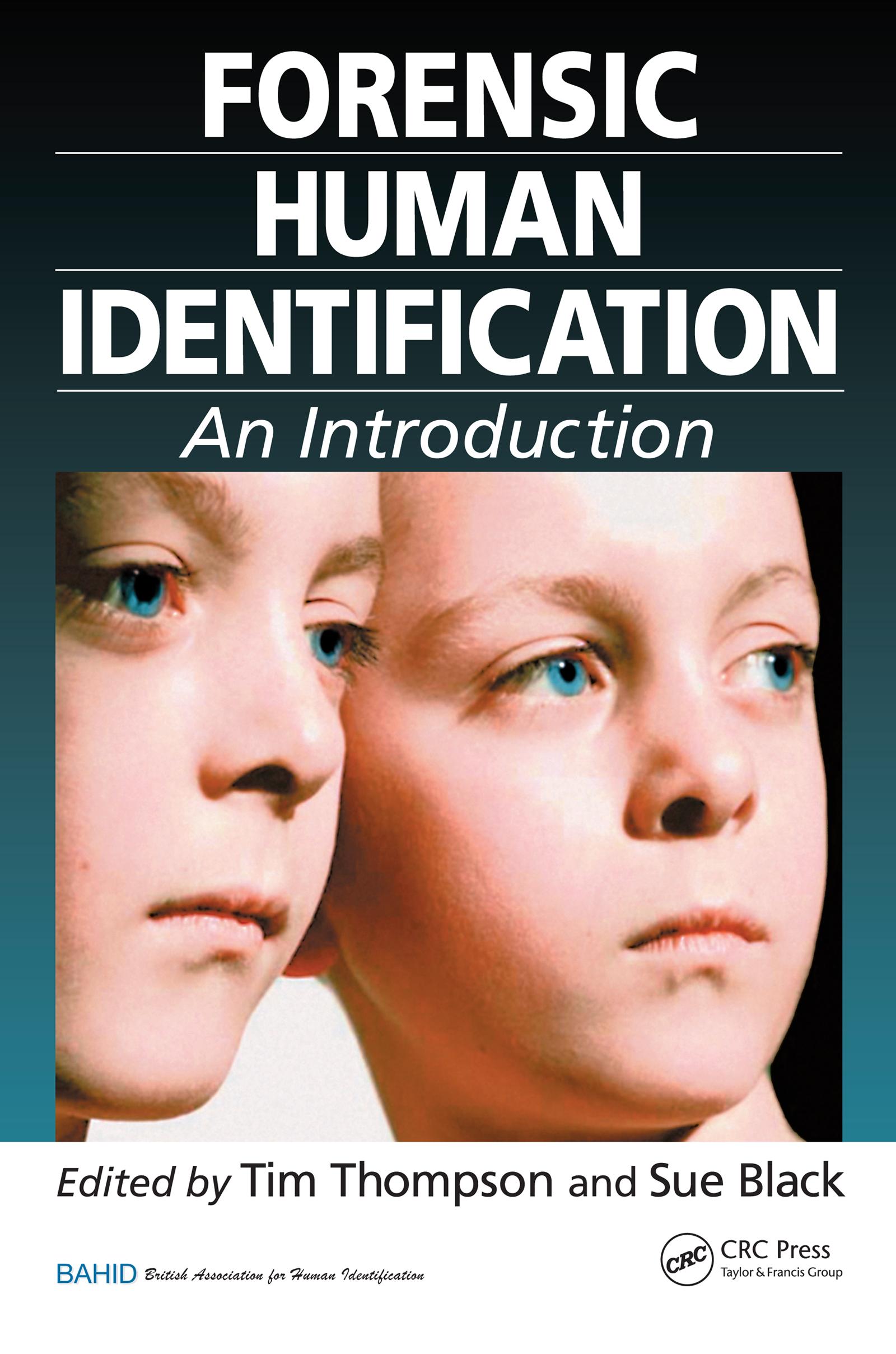
Identity theft, criminal investigations of the dead or missing, mass disasters both by natural causes and by criminal intent – with this as our day to day reality, the establishment and verification of human identity has never been more important or more prominent in our society. Maintaining and protecting the integrity of out identity has reached levels of unprecedented importance and has led to international legislation to protect our human rights.
Forensic Human Identification: An Introduction examines the variety of biological indicators that are available to investigators and illustrates the basic principles of each discipline. While DNA and fingerprints are clearly the favored methods of identification, they require a prior record and verifiable baseline for comparison. When these tools cannot be used it is necessary to employ those biological factors with higher variation and lower diagnostic probability. This reference introduces a number of different specialties such as, foot- and earprinting, dental interventions, skeletal anomalies, tattoos, facial reconstruction, personal effects, and handwriting.
While recognizing that no single factor is an absolute indicator of identity, the contributors explain how a multitude of factors taken into summative consideration can establish a probability for confirmation. They discuss the difference between positive and probable identification and the use of exclusion to confirm identity. Using three high profile case studies, the book addresses the context of human identification in today’s society and illustrates the use of techniques described in the text.
Heavily referenced and using more than 120 charts, figures, photographs, and tables, Forensic Human Identification: An Introduction provides detailed introductory and extended information to newcomers and experts alike on the wide range of identification techniques in international practice.
Payez facilement par carte, Klarna, Apple Pay ou Google Pay. Pas satisfait ? Vous avez toujours une garantie de remboursement de 14 jours. En savoir plus dans nos conditions. Si vous avez des questions, envoyez-nous un e-mail à hello@memmo.org.
Memmo facilite tes études, où que tu sois dans le monde. On rassemble tes manuels de cours et des outils d'étude intelligents au même endroit : résumés, quiz, podcasts et flashcards. Et il y a Ted, ton compagnon d'étude qui répond à toutes tes questions. Plus de 50 000 étudiants étudient déjà ici – conçu pour t'aider à apprendre plus vite et à moins stresser.