
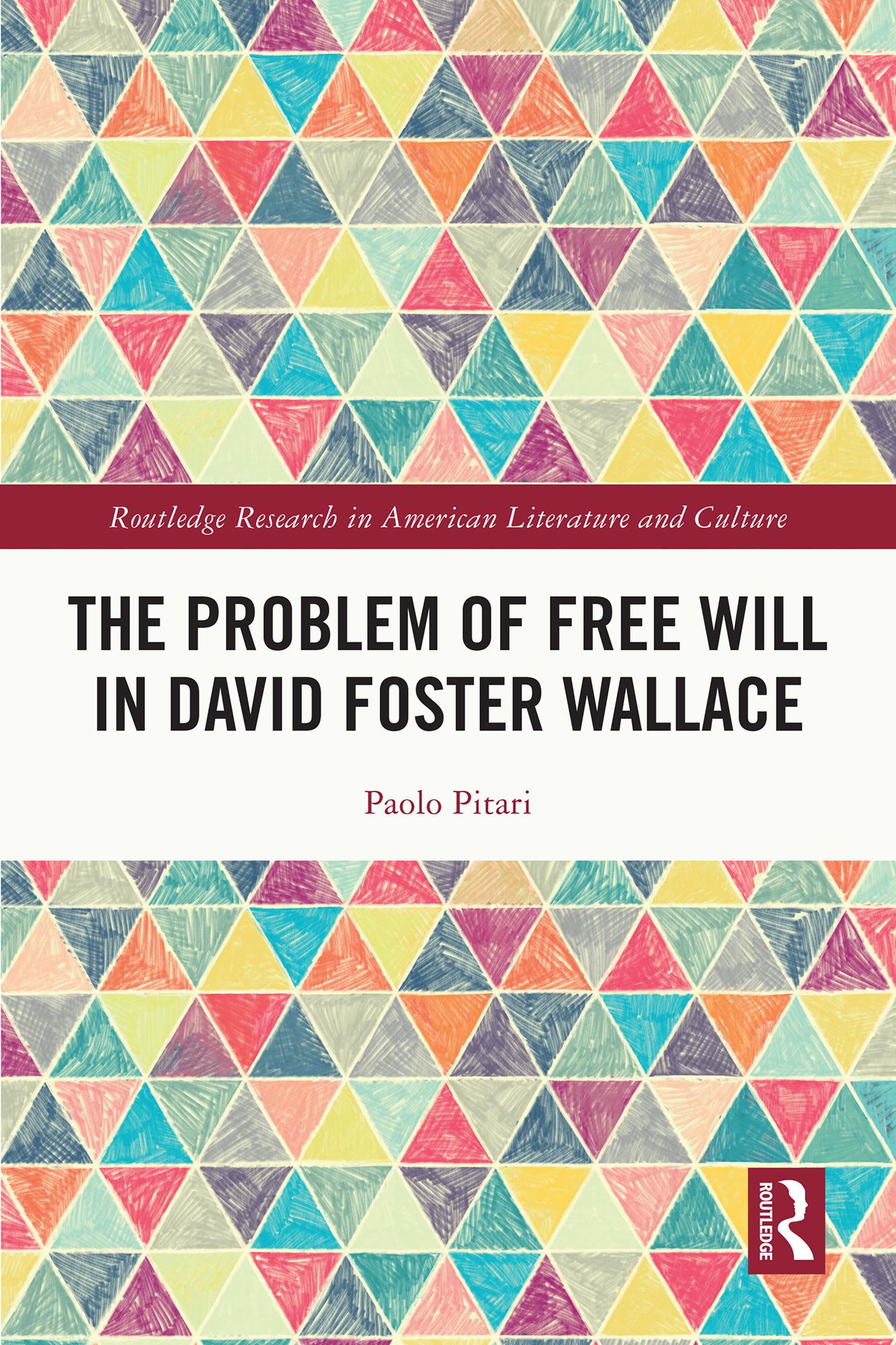
This book argues that David Foster Wallace failed to provide a response to the existential predicament of our time. Wallace wanted to confront despair through art, but he remained trapped, and his entrapment originates in the "existentialist contradiction": the impossibility of affirming the meaningfulness of life and an ethics of compassion while believing in free will.
To substantiate this thesis, the analysis reads Wallace in conversation with the existentialist philosophers and writers who influenced him: Søren Kierkegaard, Fyodor Dostoevsky, Martin Heidegger, Jean-Paul Sartre, Albert Camus, and Ludwig Wittgenstein. It compares his non-fiction with the sociologies of Christopher Lasch, Zygmunt Bauman, Ulrich Beck and Elisabeth Beck-Gernsheim, and Anthony Giddens. And it finds inspiration in Giacomo Leopardi, Friedrich Nietzsche, and Emanuele Severino to conclude that the philosophy which pervades Wallace’s works entails despair and represents the essence of our civilization’s interpretation of the world.
Payez facilement par carte, Klarna, Apple Pay ou Google Pay. Pas satisfait ? Vous avez toujours une garantie de remboursement de 14 jours. En savoir plus dans nos conditions. Si vous avez des questions, envoyez-nous un e-mail à hello@memmo.org.
Memmo facilite tes études, où que tu sois dans le monde. On rassemble tes manuels de cours et des outils d'étude intelligents au même endroit : résumés, quiz, podcasts et flashcards. Et il y a Ted, ton compagnon d'étude qui répond à toutes tes questions. Plus de 50 000 étudiants étudient déjà ici – conçu pour t'aider à apprendre plus vite et à moins stresser.