
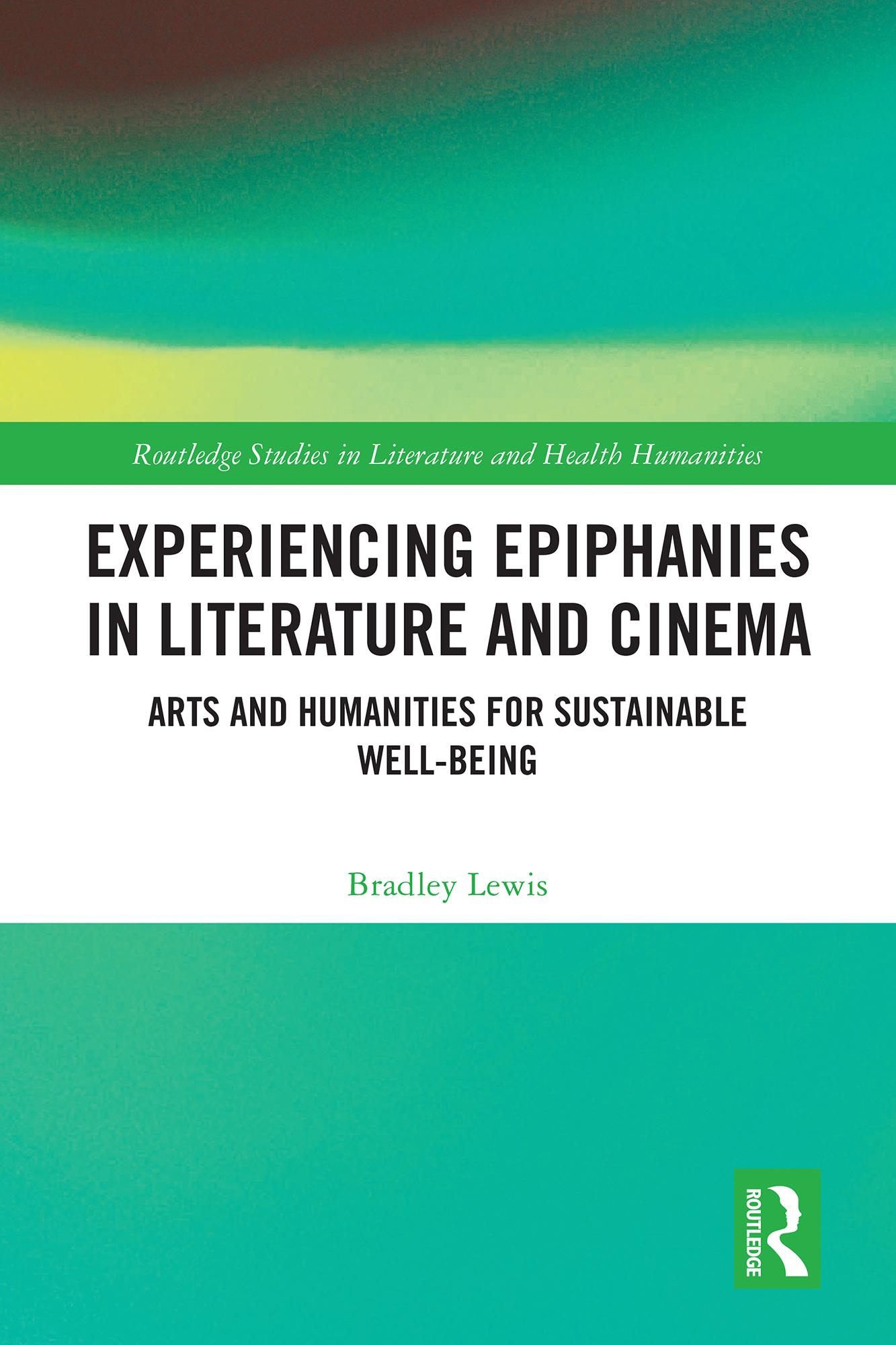
Experiencing Epiphanies in Literature and Cinema uses health humanities and psychological humanities to explore literary and cinematic epiphanies. James Joyce first adopted the term “epiphany” from its religious use to articulate momentsof luminous intensity or “sudden spiritual manifestation.” This study develops and extends Joyce’s use of epiphany through a range of literary and cinematic examples, from William Shakespeare to Ruth Ozeki and from Yasujirō Ozu to Jim Jarmusch. This wealth of epiphanies in the arts is important from a health humanities perspective in that they provide access to aesthetic and sustainable experiences of well-being, joy, and human flowering. They also provide antidotes to aesthetics of anti-epiphany—a showing forth of terror, horror, and panic. Experiencing Epiphanies is accordingly both critical and affirmative, diagnostic and therapeutic. It uses critique to understand the increasing need for well-being in contemporary times, and it uses affirmation to develop underutilized resources in the arts for transforming, configuring, and refiguring our everyday lives.
Payez facilement par carte, Klarna, Apple Pay ou Google Pay. Pas satisfait ? Vous avez toujours une garantie de remboursement de 14 jours. En savoir plus dans nos conditions. Si vous avez des questions, envoyez-nous un e-mail à hello@memmo.org.
Memmo facilite tes études, où que tu sois dans le monde. On rassemble tes manuels de cours et des outils d'étude intelligents au même endroit : résumés, quiz, podcasts et flashcards. Et il y a Ted, ton compagnon d'étude qui répond à toutes tes questions. Plus de 50 000 étudiants étudient déjà ici – conçu pour t'aider à apprendre plus vite et à moins stresser.