
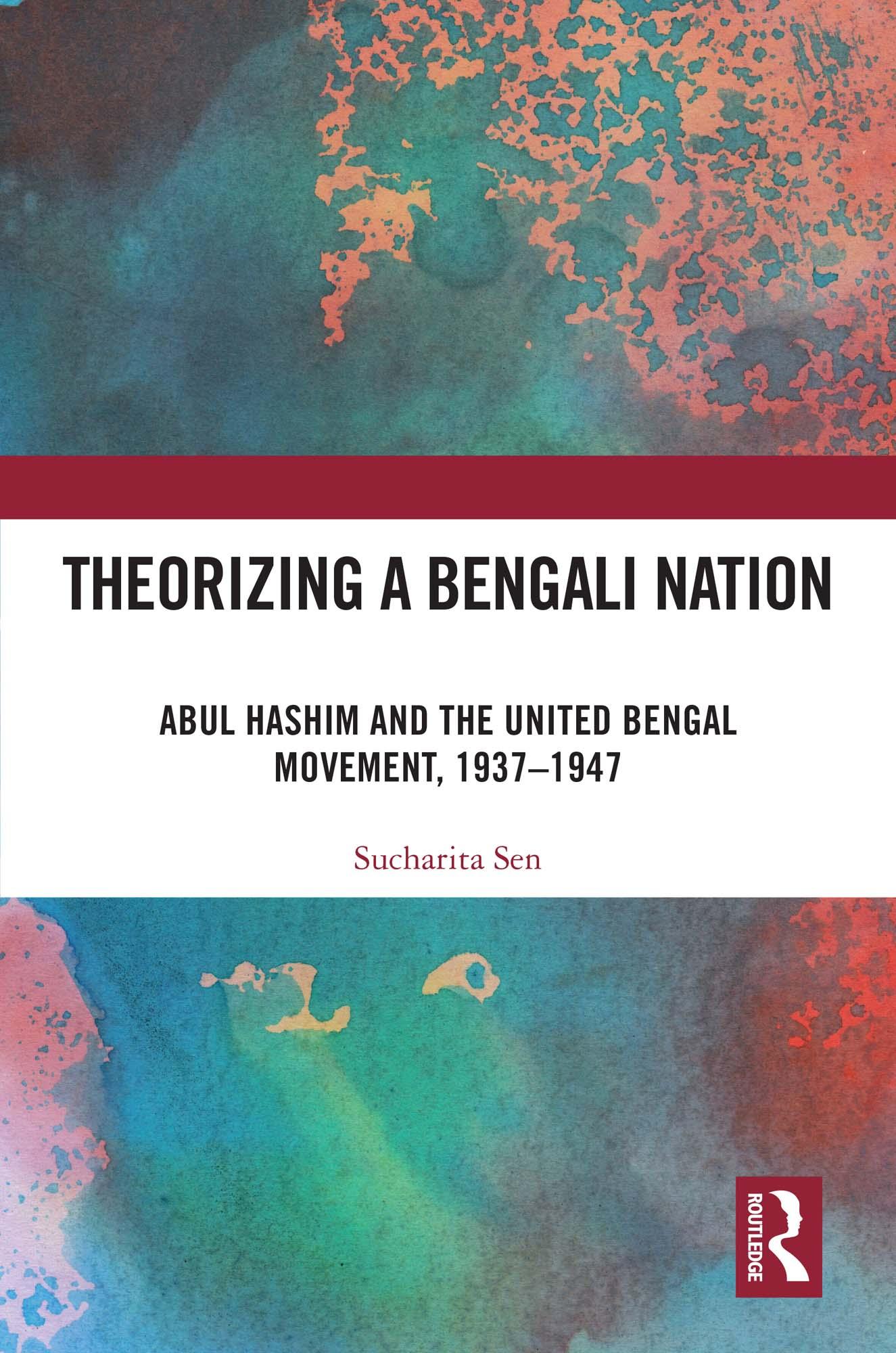
This book explores the philosophical and political roots of the United Bengal movement of 1947 that emerged as a final bid to keep the province united against Partition. Through Abul Hashim, one of its architects, it explores the idea of an independent Bengali nation in the years preceding Independence and examines the underlying tensions of the concept of a Muslim-led independent Bangalistaan and its repercussions on a sizeable Hindu minority. Focusing on Hashim’s writings and political contributions, this monograph highlights his vision of an aesthetic identity rooted within religious principles as well as civic ideals in a new united Bengal, where common law underwritten through religious ideals did not need to be necessarily opposed to western discourses of a modern state.
A major, new intervention, this book will be of great interest to scholars and researchers of modern Indian history, especially the Partition, politics, and South Asian studies.
Payez facilement par carte, Klarna, Apple Pay ou Google Pay. Pas satisfait ? Vous avez toujours une garantie de remboursement de 14 jours. En savoir plus dans nos conditions. Si vous avez des questions, envoyez-nous un e-mail à hello@memmo.org.
Memmo facilite tes études, où que tu sois dans le monde. On rassemble tes manuels de cours et des outils d'étude intelligents au même endroit : résumés, quiz, podcasts et flashcards. Et il y a Ted, ton compagnon d'étude qui répond à toutes tes questions. Plus de 50 000 étudiants étudient déjà ici – conçu pour t'aider à apprendre plus vite et à moins stresser.