
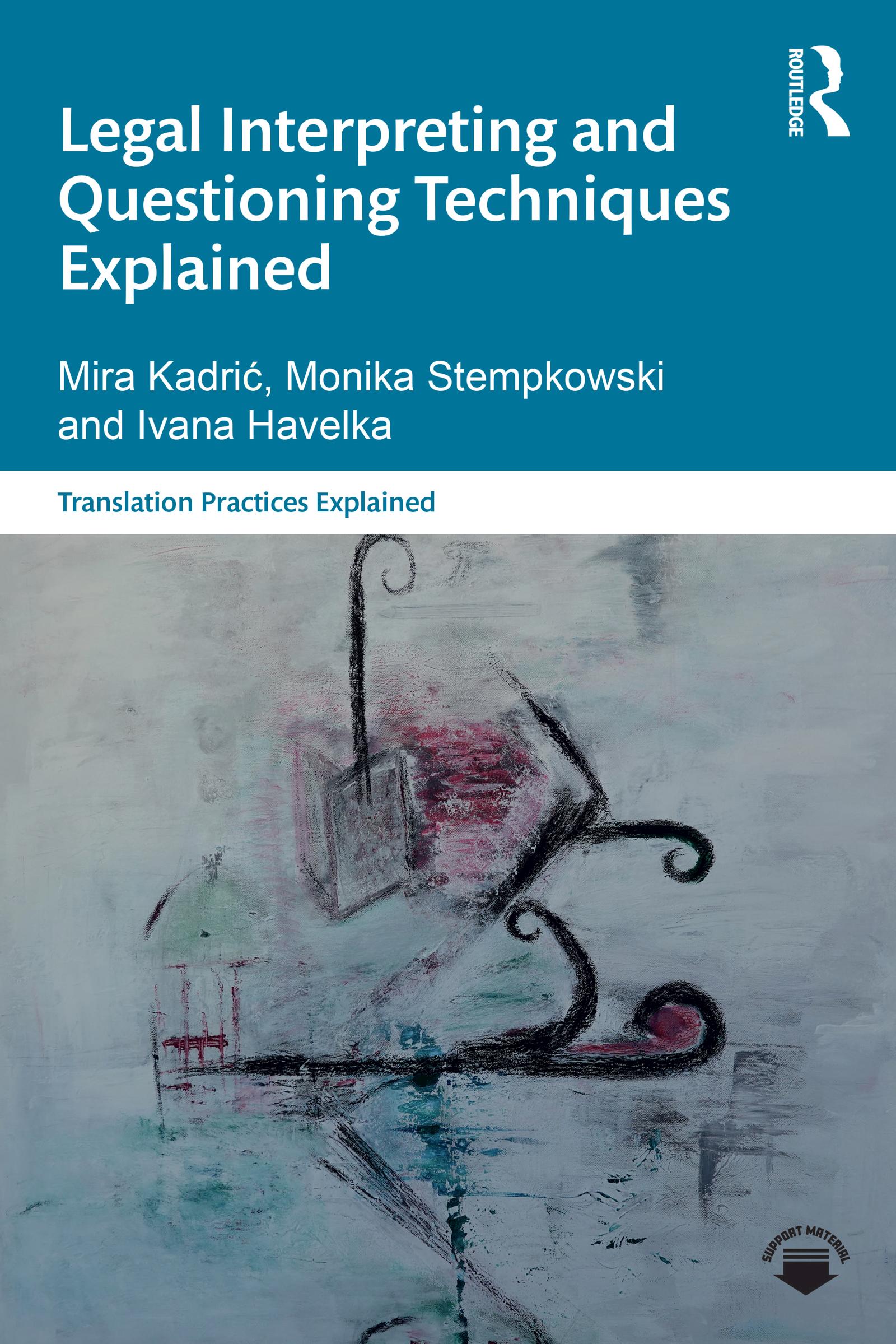
Language and law are closely linked, and language is fundamental to the application of the law. Legal, criminalistic, translational and psychological aspects of communication come together in interpreted questioning (hearings, interrogations, interviews) and must be taken into account, especially since the way in which the questioning outcomes are evaluated can have far-reaching legal consequences. Building on empirical studies and practice, this accessible text provides a transdisciplinary examination of questioning methods and strategies. The institutional framework conditions of a questioning situation are examined in the context of transdisciplinary cooperation.
This book also addresses the increasing use of technology and hybrid forms of translation and interpreting in the legal system, and shows different ways in which interpreters co-construct information. Chapters include summaries of key concepts and definitions, examples from existing literature combined with practical experience and the results of surveys conducted by the authors, as well as further reading and non-language-specific study activities. Activities include role plays on thematic scenarios involving different actors in criminal proceedings and discussion groups to enable reflection on ethical issues and discursive challenges.
This is a vital text for both advanced students and professionals in interpreting studies and criminology.
Payez facilement par carte, Klarna, Apple Pay ou Google Pay. Pas satisfait ? Vous avez toujours une garantie de remboursement de 14 jours. En savoir plus dans nos conditions. Si vous avez des questions, envoyez-nous un e-mail à hello@memmo.org.
Memmo facilite tes études, où que tu sois dans le monde. On rassemble tes manuels de cours et des outils d'étude intelligents au même endroit : résumés, quiz, podcasts et flashcards. Et il y a Ted, ton compagnon d'étude qui répond à toutes tes questions. Plus de 50 000 étudiants étudient déjà ici – conçu pour t'aider à apprendre plus vite et à moins stresser.