
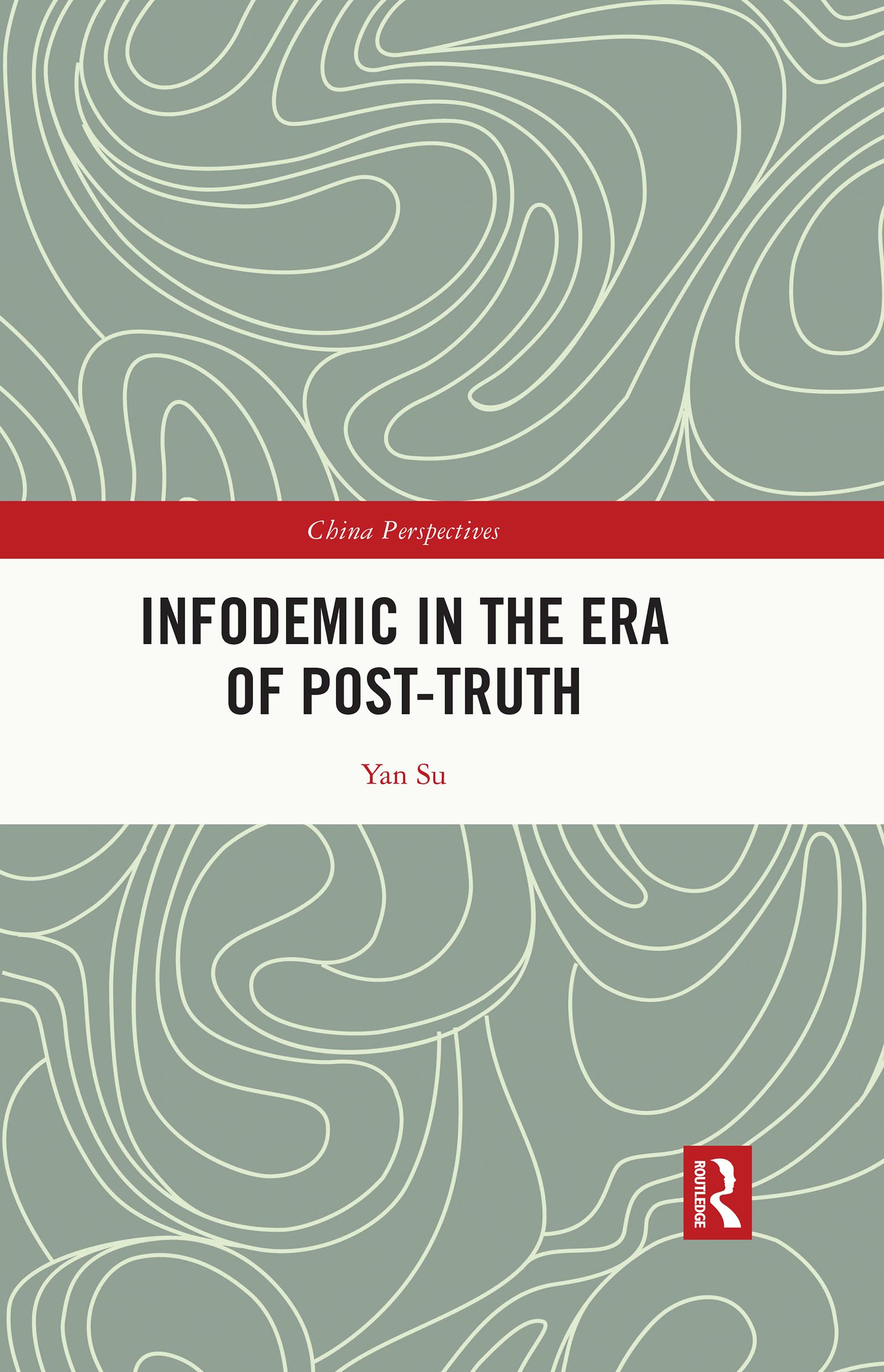
With the revolution in information technology, concerns about the proliferation of false, unverified, and misleading information have been growing. As one of the severe public health crises in modern history, the COVID-19 pandemic has provided a novel context for the "post-truth" research. In a "post-truth" era, people are no longer interested in investigating objective facts, but tend to curl up in echo chambers and resonate with like-minded others. Against this backdrop, this book (1) systematically conceptualises "post-truth" and analyzes its defining characteristics and driving forces, (2) examines the nuanced effects of information sources and news consumption behaviours and strategies on COVID-19 misperceptions and knowledge, (3) explores the role of social media in shaping COVID-19-related misperceptions and knowledge, and (4) highlights the importance of news media literacy in navigating the "post-truth" era.
The book will be essential reading for students and scholars of media and film studies, communication studies and comparative studies. It will also be a useful reference for medical and media professionals such as doctors, nurses and journalists.
Payez facilement par carte, Klarna, Apple Pay ou Google Pay. Pas satisfait ? Vous avez toujours une garantie de remboursement de 14 jours. En savoir plus dans nos conditions. Si vous avez des questions, envoyez-nous un e-mail à hello@memmo.org.
Memmo facilite tes études, où que tu sois dans le monde. On rassemble tes manuels de cours et des outils d'étude intelligents au même endroit : résumés, quiz, podcasts et flashcards. Et il y a Ted, ton compagnon d'étude qui répond à toutes tes questions. Plus de 50 000 étudiants étudient déjà ici – conçu pour t'aider à apprendre plus vite et à moins stresser.