
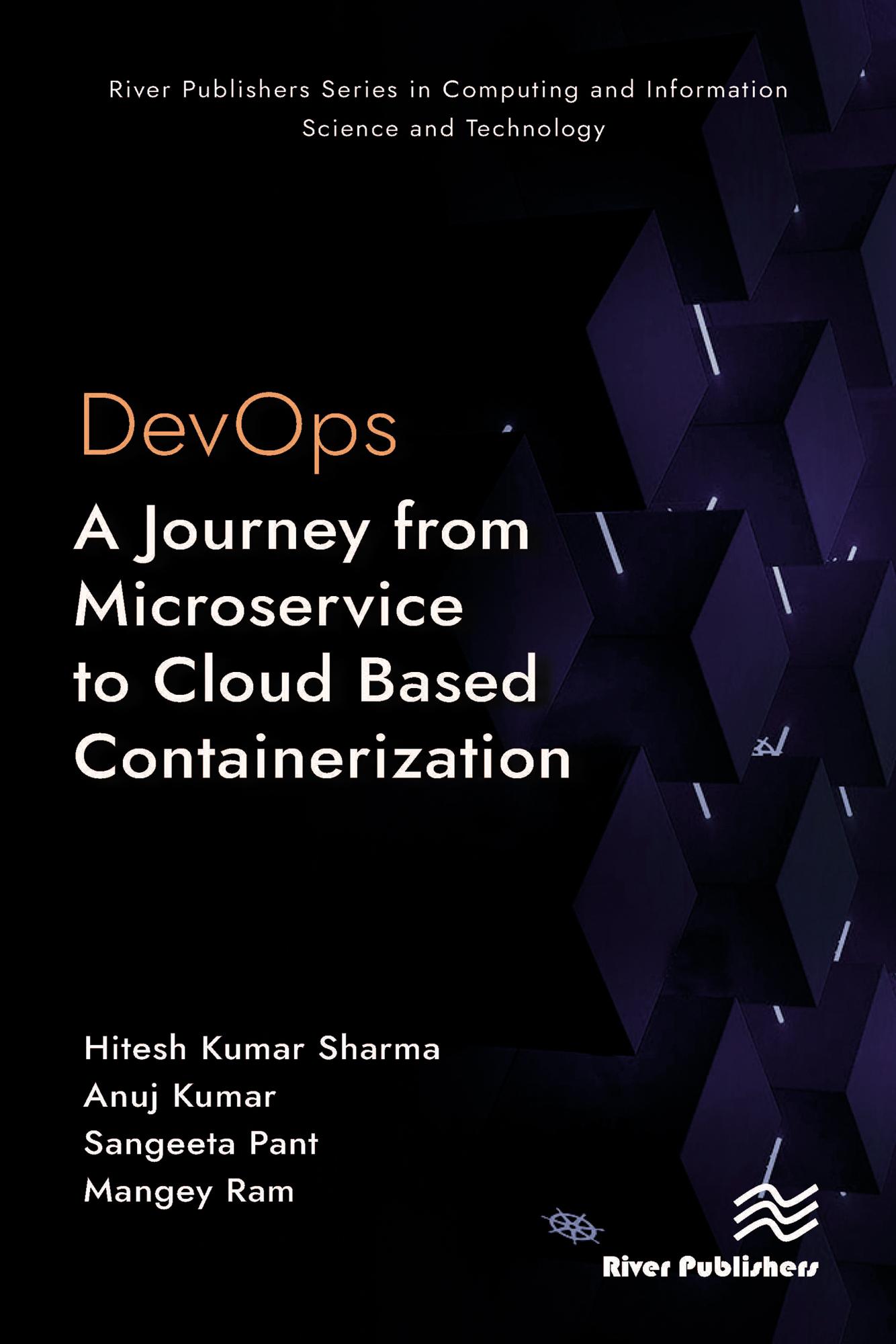
Transitioning to DevOps requires a change in culture and mindset. At its simplest, DevOps is about removing the barriers between two traditionally siloed teams, development, and operations. In some organizations, there may not even be separate development and operations teams; engineers may do both. With DevOps, the two teams work together to optimize both the productivity of developers and the reliability of operations. They strive to communicate frequently, increase efficiencies, and improve the quality of services they provide to customers. They take full ownership for their services, often beyond where their stated roles or titles have traditionally been scoped by thinking about the end customer’s needs and how they can contribute to meeting those needs. Quality assurance and security teams may also become tightly integrated within these teams. Organizations using a DevOps model, regardless of their organizational structure, have teams that view the entire development and infrastructure lifecycle as part of their responsibilities.
In this book, we introduce the DevOps culture, and the tools and techniques under this technical cultural umbrella. We explain microservice, containers, Docker Container, Kubernetes, etc., and the significance of these in adopting the DevOps culture for successful software development.
Payez facilement par carte, Klarna, Apple Pay ou Google Pay. Pas satisfait ? Vous avez toujours une garantie de remboursement de 14 jours. En savoir plus dans nos conditions. Si vous avez des questions, envoyez-nous un e-mail à hello@memmo.org.
Memmo facilite tes études, où que tu sois dans le monde. On rassemble tes manuels de cours et des outils d'étude intelligents au même endroit : résumés, quiz, podcasts et flashcards. Et il y a Ted, ton compagnon d'étude qui répond à toutes tes questions. Plus de 50 000 étudiants étudient déjà ici – conçu pour t'aider à apprendre plus vite et à moins stresser.