
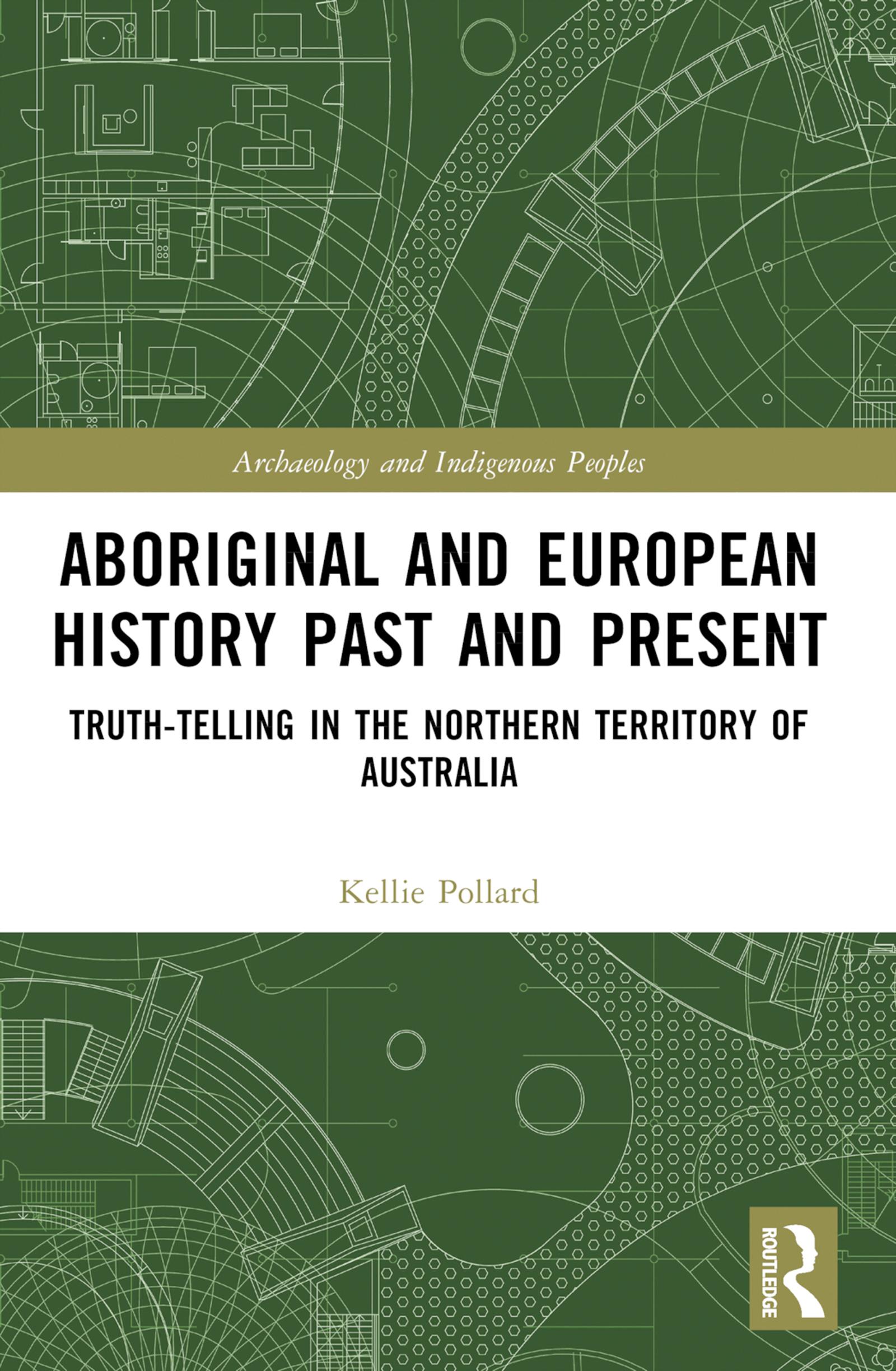
This book analyses the 150-year history of continuous contact between Aboriginal people and non-Aboriginal people in the Darwin region of the Northern Territory of Australia after the European invasion in 1869 to the present day.
It explores the role Aboriginal fringe camps served, and still do, as places of interface between Aboriginal people and non-Aboriginal people in the context of ongoing colonialism after colonisation. The book argues that Aboriginal fringe camps provide much potential for elucidating aspects of Aboriginal responses to the European invasion and, in a contemporary context, bear distinct evidence of a cultural nature that associates their origins, use, purpose, and functions predominantly with Aboriginal people. It contributes a new and innovative theoretical model that will enable readers to conceive how insights about Aboriginal behaviour in the context of Aboriginal fringe camps were achieved. The model is informed by the frameworks of colonialism and, innovatively, philosophy.
Contributing new theoretical knowledge to contact histories and relations between Europeans and Indigenous peoples, the book will be important to researchers in the archaeology of Australia and those concerned with Indigenous Studies.
Payez facilement par carte, Klarna, Apple Pay ou Google Pay. Pas satisfait ? Vous avez toujours une garantie de remboursement de 14 jours. En savoir plus dans nos conditions. Si vous avez des questions, envoyez-nous un e-mail à hello@memmo.org.
Memmo facilite tes études, où que tu sois dans le monde. On rassemble tes manuels de cours et des outils d'étude intelligents au même endroit : résumés, quiz, podcasts et flashcards. Et il y a Ted, ton compagnon d'étude qui répond à toutes tes questions. Plus de 50 000 étudiants étudient déjà ici – conçu pour t'aider à apprendre plus vite et à moins stresser.