
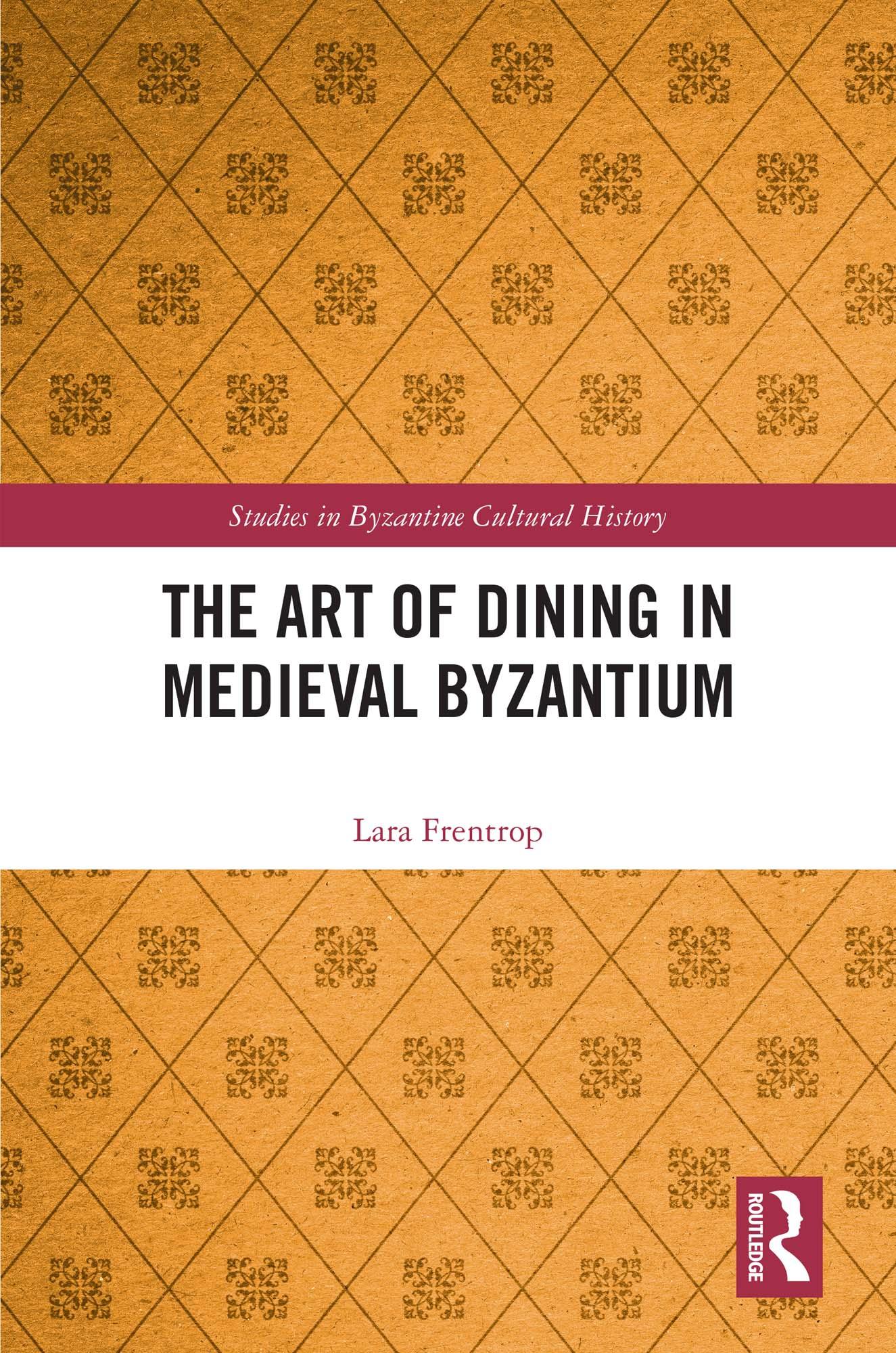
Thousands of intact ceramic bowls and plates as well as fragments made in the medieval Byzantine empire survive to this day. Decorated with figural and non-figural imagery applied in a variety of techniques and adorned with colourful paints and glazes, the vessels can tell us much about those who owned them and those who looked at them. In addition to innumerable ceramic vessels, a handful of precious metal bowls and plates survive from the period. Together, these objects make up the art of dining in medieval Byzantium. This art of dining was effervescent, at turns irreverent and deadly serious, visually stunning and fun. It is suggestive of ways in which those viewing the objects used a quotidian and biologically necessary (f)act – that of eating – to reflect on their lives and deaths, their aspirations and their realities.
This book examines the ceramic and metal vessels in terms of the information offered on the foods eaten, the foods desired and their status; the spectacle of the banquet; the relationship between word and image in medieval Byzantium; the dangers of taste; the emergence of new moral and social ideals; and the use of dining as a tool in constructing and enforcing hierarchy.
This book is of appeal to scholarly and non-scholarly audiences interested in the art and material culture of the medieval period and in the social history of food and eating.
Payez facilement par carte, Klarna, Apple Pay ou Google Pay. Pas satisfait ? Vous avez toujours une garantie de remboursement de 14 jours. En savoir plus dans nos conditions. Si vous avez des questions, envoyez-nous un e-mail à hello@memmo.org.
Memmo facilite tes études, où que tu sois dans le monde. On rassemble tes manuels de cours et des outils d'étude intelligents au même endroit : résumés, quiz, podcasts et flashcards. Et il y a Ted, ton compagnon d'étude qui répond à toutes tes questions. Plus de 50 000 étudiants étudient déjà ici – conçu pour t'aider à apprendre plus vite et à moins stresser.