
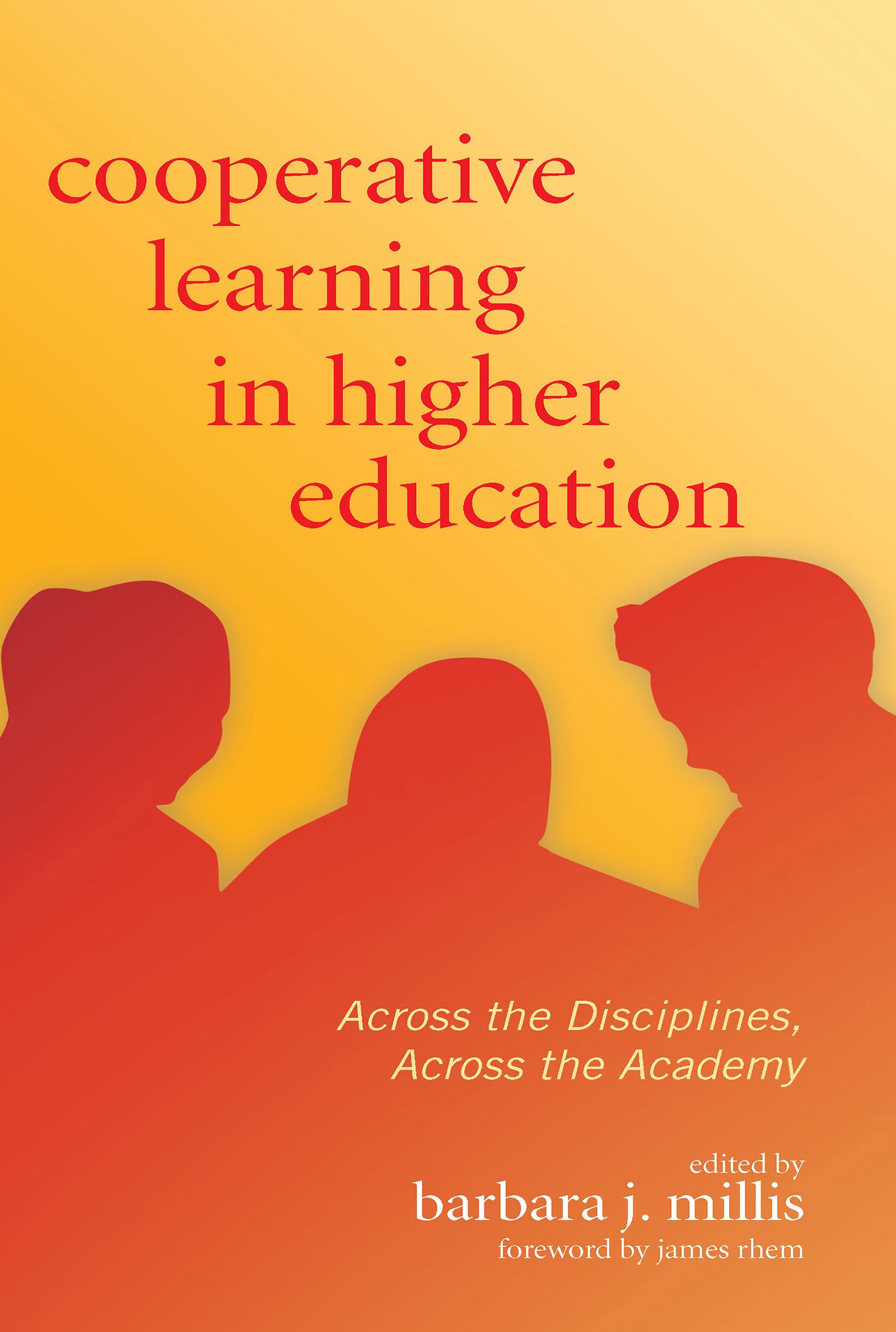
Research has identified cooperative learning as one of the ten High Impact Practices that improve student learning. If you’ve been interested in cooperative learning, but wondered how it would work in your discipline, this book provides the necessary theory, and a wide range of concrete examples.Experienced users of cooperative learning demonstrate how they use it in settings as varied as a developmental mathematics course at a community college, and graduate courses in history and the sciences, and how it works in small and large classes, as well as in hybrid and online environments. The authors describe the application of cooperative learning in biology, economics, educational psychology, financial accounting, general chemistry, and literature at remedial, introductory, and graduate levels.The chapters showcase cooperative learning in action, at the same time introducing the reader to major principles such as individual accountability, positive interdependence, heterogeneous teams, group processing, and social or leadership skills.The authors build upon, and cross-reference, each others’ chapters, describing particular methods and activities in detail. They explain how and why they may differ about specific practices while exemplifying reflective approaches to teaching that never fail to address important assessment issues.
Payez facilement par carte, Klarna, Apple Pay ou Google Pay. Pas satisfait ? Vous avez toujours une garantie de remboursement de 14 jours. En savoir plus dans nos conditions. Si vous avez des questions, envoyez-nous un e-mail à hello@memmo.org.
Memmo facilite tes études, où que tu sois dans le monde. On rassemble tes manuels de cours et des outils d'étude intelligents au même endroit : résumés, quiz, podcasts et flashcards. Et il y a Ted, ton compagnon d'étude qui répond à toutes tes questions. Plus de 50 000 étudiants étudient déjà ici – conçu pour t'aider à apprendre plus vite et à moins stresser.