
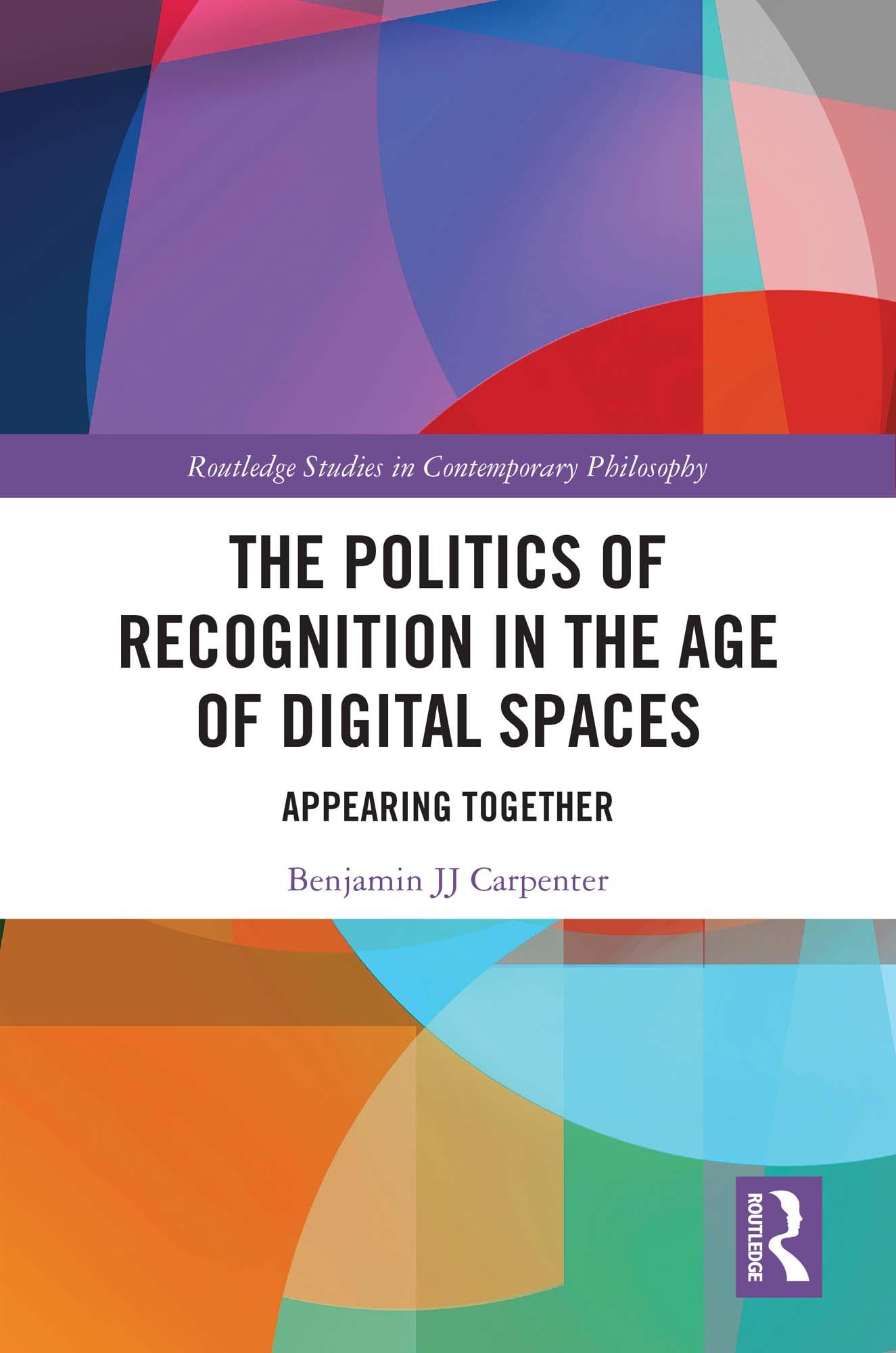
This book provides a philosophical analysis of the notion of selfhood that underlies identity politics. It offers a unique theory of the self that combines previous scholarly work on recognition and the phenomenology of space.
The politics of identity occupy the centre of a contested terrain. Marginalised and oppressed peoples continue to seek the transformation of our shared social world and our political institutions required for their lives to be liveable. Public criticism and academic treatments of identity politics often take a disparaging view that treats it as subordinate to more general political questions about justice and the organisation of society and its institutions. This book argues that these polemics ignore the numerous ways in which all politics is concerned with matters of selfhood and identity. Through a rereading of Hegel’s account of recognition as an ongoing and dynamic process that constitutes the self, it presents selves—and the categories of identity that qualify these selves—as fundamentally conditioned by the environments in which they appear before themselves and others. It also argues that we do the work of identity in public spaces—particularly digital spaces—and that these spaces shape what identities we can assume and what those identities mean. Contemporary social media technologies facilitate the production of particular forms of selfhood through the combined logics of the interface, the profile, and the post.
The Politics of Recognition in the Age of Digital Spaces will be of interest to scholars and advanced students working in a wide range of disciplines including political philosophy, phenomenology, philosophy of technology, sociology, political theory, and critical theory. It will also appeal to anyone with an interest in contemporary identity politics, whether as a matter of study or lived experience.
Payez facilement par carte, Klarna, Apple Pay ou Google Pay. Pas satisfait ? Vous avez toujours une garantie de remboursement de 14 jours. En savoir plus dans nos conditions. Si vous avez des questions, envoyez-nous un e-mail à hello@memmo.org.
Memmo facilite tes études, où que tu sois dans le monde. On rassemble tes manuels de cours et des outils d'étude intelligents au même endroit : résumés, quiz, podcasts et flashcards. Et il y a Ted, ton compagnon d'étude qui répond à toutes tes questions. Plus de 50 000 étudiants étudient déjà ici – conçu pour t'aider à apprendre plus vite et à moins stresser.