
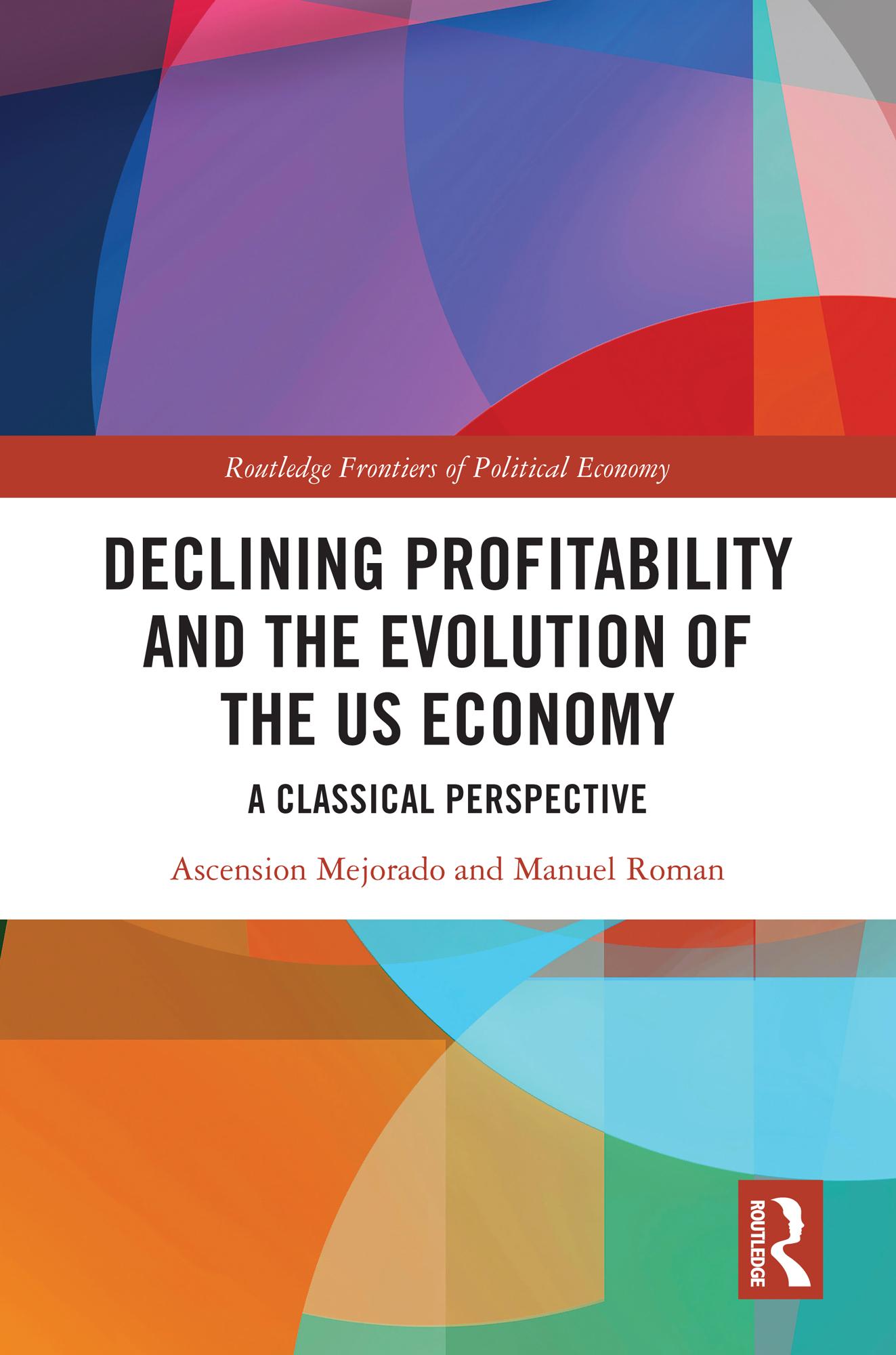
The 1970s were a pivotal decade for the US economy: deindustrialization broke the power of the labor unions and made possible the redistribution of income in favor of corporate profits; globalization and offshore investments opened alternatives to domestic nonfinancial capital accumulation; domestic productivity growth declined; and labor-saving technology empowered superstar corporations to rapidly gain market share. This book argues that the persistent fall in profitability, leading to the stagflation crisis, was a direct result of the transition from the Fordist phase of capital accumulation, based on large-scale manufacturing, to the neoliberal phase and the rising power of finance. Neoliberalism restored the power of rentiers but not the profit rates of nonfinancial corporations. Falling accumulation rates weakened the growth capacity of nonfinancial corporate firms and secular stagnation became the norm. Neo-Keynesian economists, Larry Summers and Paul Krugman, explained the persistence of secular stagnation with arguments borrowed from Alvin Hansen in the 1930s, such as the declining birth rate or the falling relative prices of investment goods, hence a shortfall of demand. In the Classical paradigm, profitability drives capital accumulation and falling profitability slows down growth. As the accumulation rate declined and the capacity growth diminished, breakdowns in supply links, due to the COVID-19 pandemic, prevented large infusions of purchasing power to find matching levels of supply, hence the stagflation crisis returned. The book will be a great asset to researchers and scholars interested in the development of Classical Political Economy concerning issues related to inflation, stagnation, growing inequality, and the next phase of neoliberalism.
Pages: 310
Catégorie: Ekonomi & Utveckling
e-ISBN: 9781000956368
Poids d'expédition: 1.2 kg
Expédié sous: 1-2 jours
Payez facilement par carte, Klarna, Apple Pay ou Google Pay. Pas satisfait ? Vous avez toujours une garantie de remboursement de 14 jours. En savoir plus dans nos conditions. Si vous avez des questions, envoyez-nous un e-mail à hello@memmo.org.
Memmo facilite tes études, où que tu sois dans le monde. On rassemble tes manuels de cours et des outils d'étude intelligents au même endroit : résumés, quiz, podcasts et flashcards. Et il y a Ted, ton compagnon d'étude qui répond à toutes tes questions. Plus de 50 000 étudiants étudient déjà ici – conçu pour t'aider à apprendre plus vite et à moins stresser.
Tu pourrais aussi aimer
Acheter le livre0