
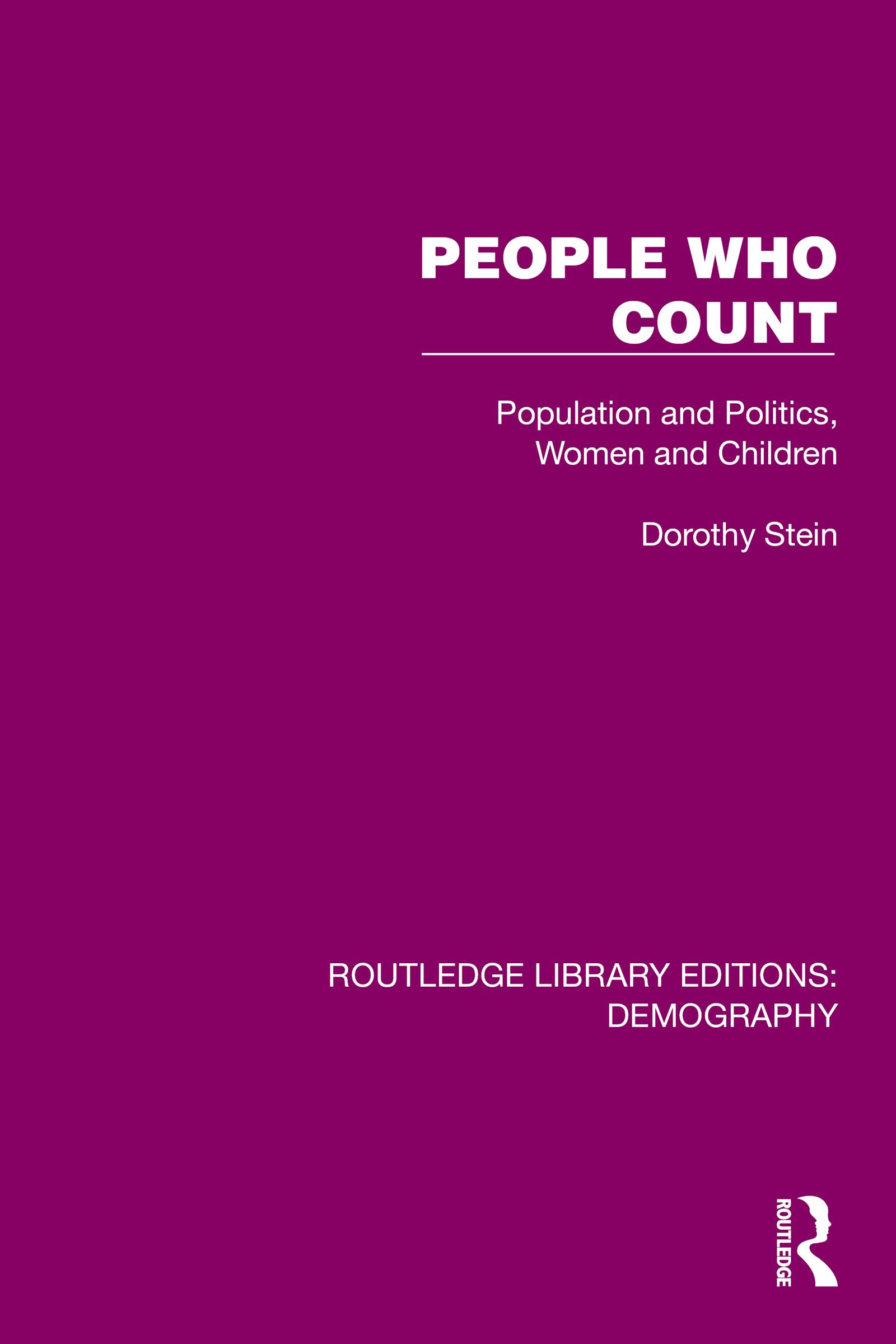
Originally published in 1995, this book confronts the contentious political issues on all sides of the population debate, including immigration, demographic competition, gender ratios, reproductive research and children’s rights. The book argues that lower fertility rates are preferred by women themselves; are beneficial in their own right to both women and children; and should not be used as a bargaining chip in any other area of the development debate. Drawing on a large body of research in anthropology, child psychology and population studies the book presents evidence that the poor do not necessarily have large families as form of financial security, or to put them to work; people without offspring are less lonely in old age; immigration and refugee controls in the Northern Hemisphere have been more driven by politics than rational calculation and human rights; social security does not require a large cohort of young workers. This book is a challenging contribution to the development debate. It presents a persuasive case for policies which recognise hopeful trends in relieving the environmental and social pressures of a globally increasing population.
Payez facilement par carte, Klarna, Apple Pay ou Google Pay. Pas satisfait ? Vous avez toujours une garantie de remboursement de 14 jours. En savoir plus dans nos conditions. Si vous avez des questions, envoyez-nous un e-mail à hello@memmo.org.
Memmo facilite tes études, où que tu sois dans le monde. On rassemble tes manuels de cours et des outils d'étude intelligents au même endroit : résumés, quiz, podcasts et flashcards. Et il y a Ted, ton compagnon d'étude qui répond à toutes tes questions. Plus de 50 000 étudiants étudient déjà ici – conçu pour t'aider à apprendre plus vite et à moins stresser.