
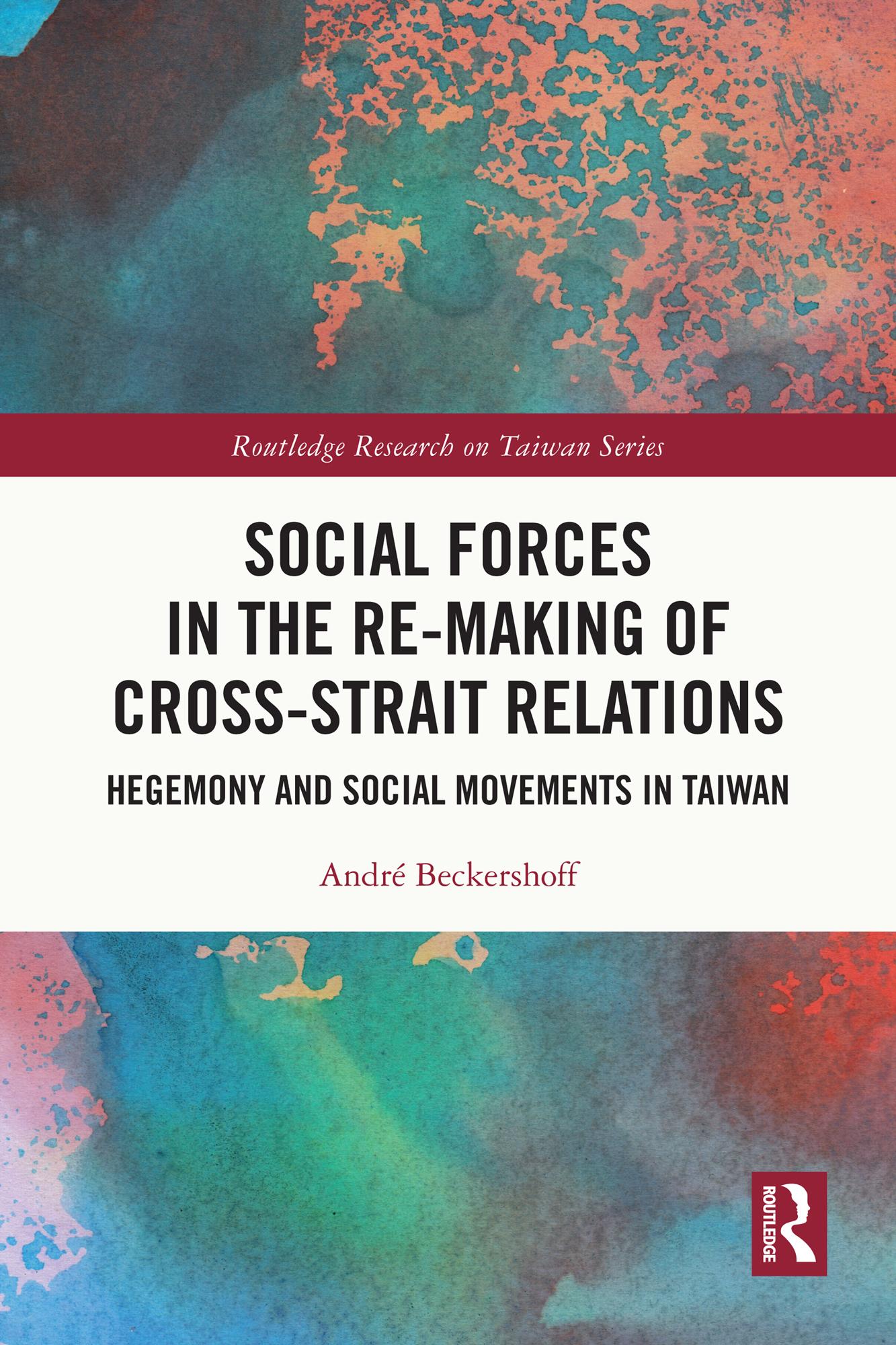
Adopting a critical political economy perspective this book sheds new light on the social and political struggles that shaped the political dynamics of Taiwan-China relations and cross-Strait rapprochement between 2008 and 2014.
Presenting a careful analysis of primary sources and interviews, the book reconstructs the historical, political and socio-economic factors that shaped Taiwan’s path to the Sunflower Movement of 2014, reinterpreting this process as a struggle over Taiwan’s role in the global economy. It challenges received wisdoms regarding the rise and fall of the rapprochement: First, the study argues that the rapprochement was not primarily driven by political elites but by capitalist conglomerates within Taiwan, which sought a normalisation of economic relations across the Taiwan Strait. Second, it finds that Taiwan’s social movements during that period were not homogeneous but rather struggled to find a common vision that could unite the critics of the rapprochement.
The insights provided not only offer a deeper understanding of Taiwan’s protest cycle between 2008 and 2014, but also serve to recontextualise the political dynamics in post-Sunflower Taiwan. As such it will appeal to students and scholars of Taiwan Studies, East Asian Politics and Social Movement Studies.
Payez facilement par carte, Klarna, Apple Pay ou Google Pay. Pas satisfait ? Vous avez toujours une garantie de remboursement de 14 jours. En savoir plus dans nos conditions. Si vous avez des questions, envoyez-nous un e-mail à hello@memmo.org.
Memmo facilite tes études, où que tu sois dans le monde. On rassemble tes manuels de cours et des outils d'étude intelligents au même endroit : résumés, quiz, podcasts et flashcards. Et il y a Ted, ton compagnon d'étude qui répond à toutes tes questions. Plus de 50 000 étudiants étudient déjà ici – conçu pour t'aider à apprendre plus vite et à moins stresser.