
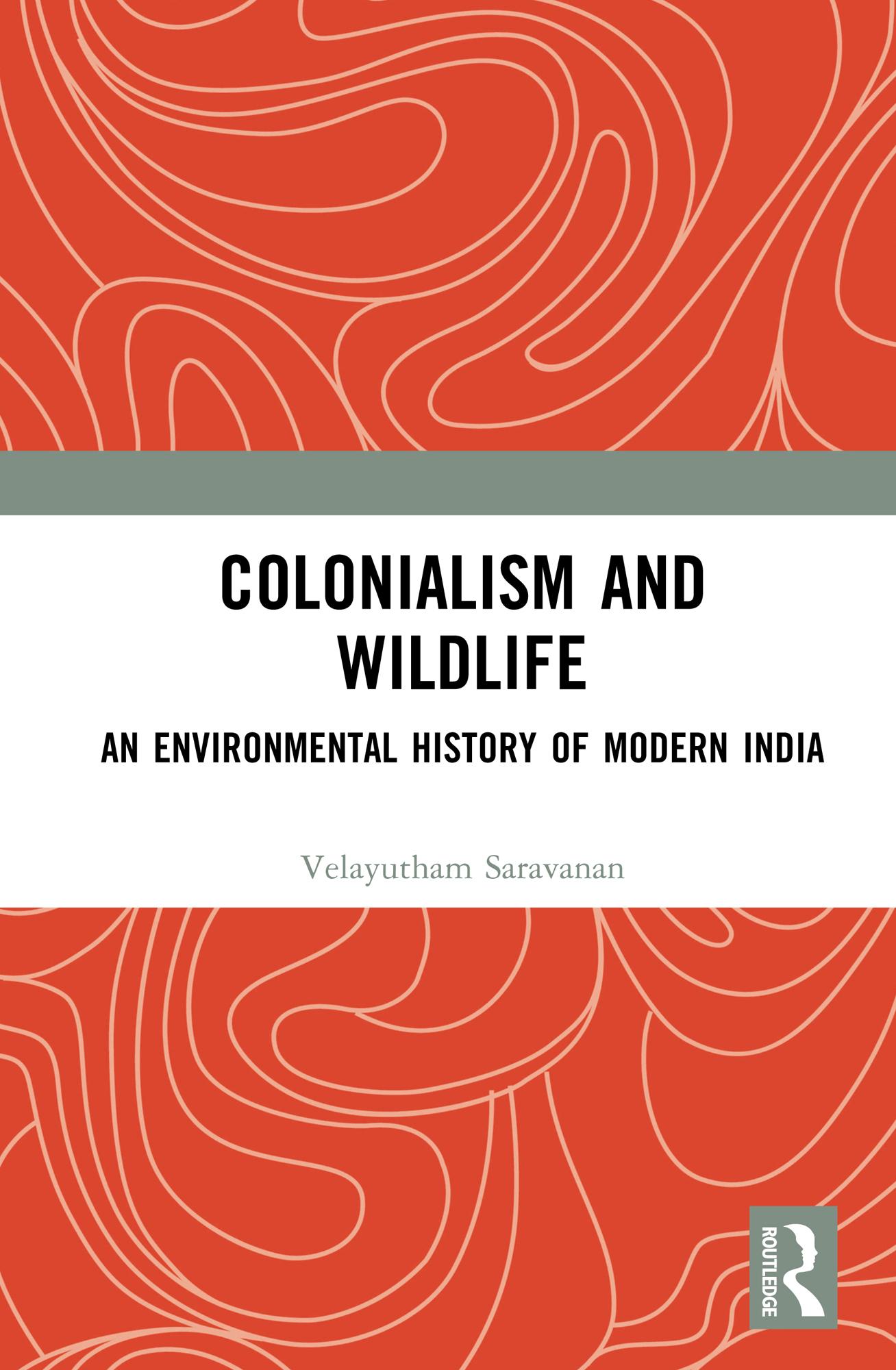
This book delves into the history of the commercialization of wildlife in India. It examines the colonial strategies that were employed in the commodification of wildlife resources specifically for lucrative domestic and international trade during the early nineteenth to the mid-twentieth century. It looks at how and why the colonial administration paid special emphasis on hunting and game sports which largely contributed to commodity capitalism in the form of taxidermy and wildlife exports. The author also critically analyses the wildlife laws and regulations promulgated by the colonial administration, such as the elephant protection act, birds and fisheries act, the forest acts, and studies how they have systematically brought wildlife under state control with a commercial motive.
An important contribution to the environmental history of India, this book is an essential interdisciplinary resource for scholars and researchers of history, colonialism, wildlife studies, economic history, ecological studies, environmental history, Indian history, South Asian studies, and development studies.
Payez facilement par carte, Klarna, Apple Pay ou Google Pay. Pas satisfait ? Vous avez toujours une garantie de remboursement de 14 jours. En savoir plus dans nos conditions. Si vous avez des questions, envoyez-nous un e-mail à hello@memmo.org.
Memmo facilite tes études, où que tu sois dans le monde. On rassemble tes manuels de cours et des outils d'étude intelligents au même endroit : résumés, quiz, podcasts et flashcards. Et il y a Ted, ton compagnon d'étude qui répond à toutes tes questions. Plus de 50 000 étudiants étudient déjà ici – conçu pour t'aider à apprendre plus vite et à moins stresser.