
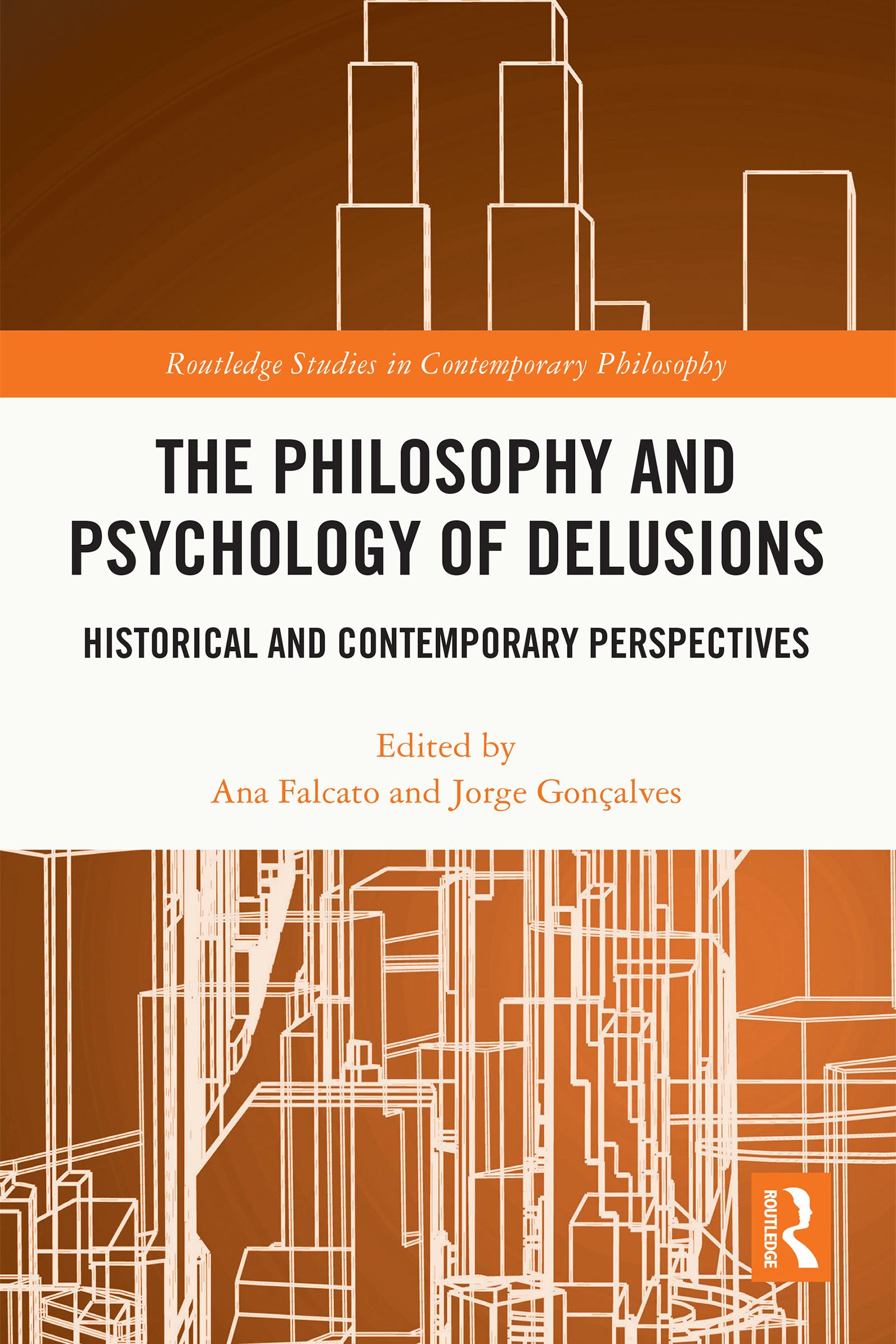
This book presents new philosophical work on delusions and their impact on everyday human behavior. It explores a cluster of related topics at the intersection of philosophy of mind and psychiatry, while also charting the historical development of work on delusions.
Within psychiatry, there are several disputes about the nature and origin of delusions. Whereas some authors see only an abnormal phenomenon that needs to be treated by psychological or pharmacological means, others hold that delusions can be psychologically adaptive and even have epistemic benefits. This book brings together an interdisciplinary group of contributors to build consensus around what delusions are and how they impact the human mind. Part 1 provides readers with an informed historical discussion of delusions and carefully examines the contemporary impact of these historical perspectives. Part 2 analyzes the impact of contemporary views of delusions on the mental and emotional life of human agents. Finally, Part 3 explores the normative frameworks of delusions and analyzes the impact of some of their behavioral consequences on the daily life of subjects and their caregivers.
The Philosophy and Psychology of Delusions is essential reading for researchers and graduate students working at the intersection of philosophy, psychiatry, and psychology.
Payez facilement par carte, Klarna, Apple Pay ou Google Pay. Pas satisfait ? Vous avez toujours une garantie de remboursement de 14 jours. En savoir plus dans nos conditions. Si vous avez des questions, envoyez-nous un e-mail à hello@memmo.org.
Memmo facilite tes études, où que tu sois dans le monde. On rassemble tes manuels de cours et des outils d'étude intelligents au même endroit : résumés, quiz, podcasts et flashcards. Et il y a Ted, ton compagnon d'étude qui répond à toutes tes questions. Plus de 50 000 étudiants étudient déjà ici – conçu pour t'aider à apprendre plus vite et à moins stresser.