
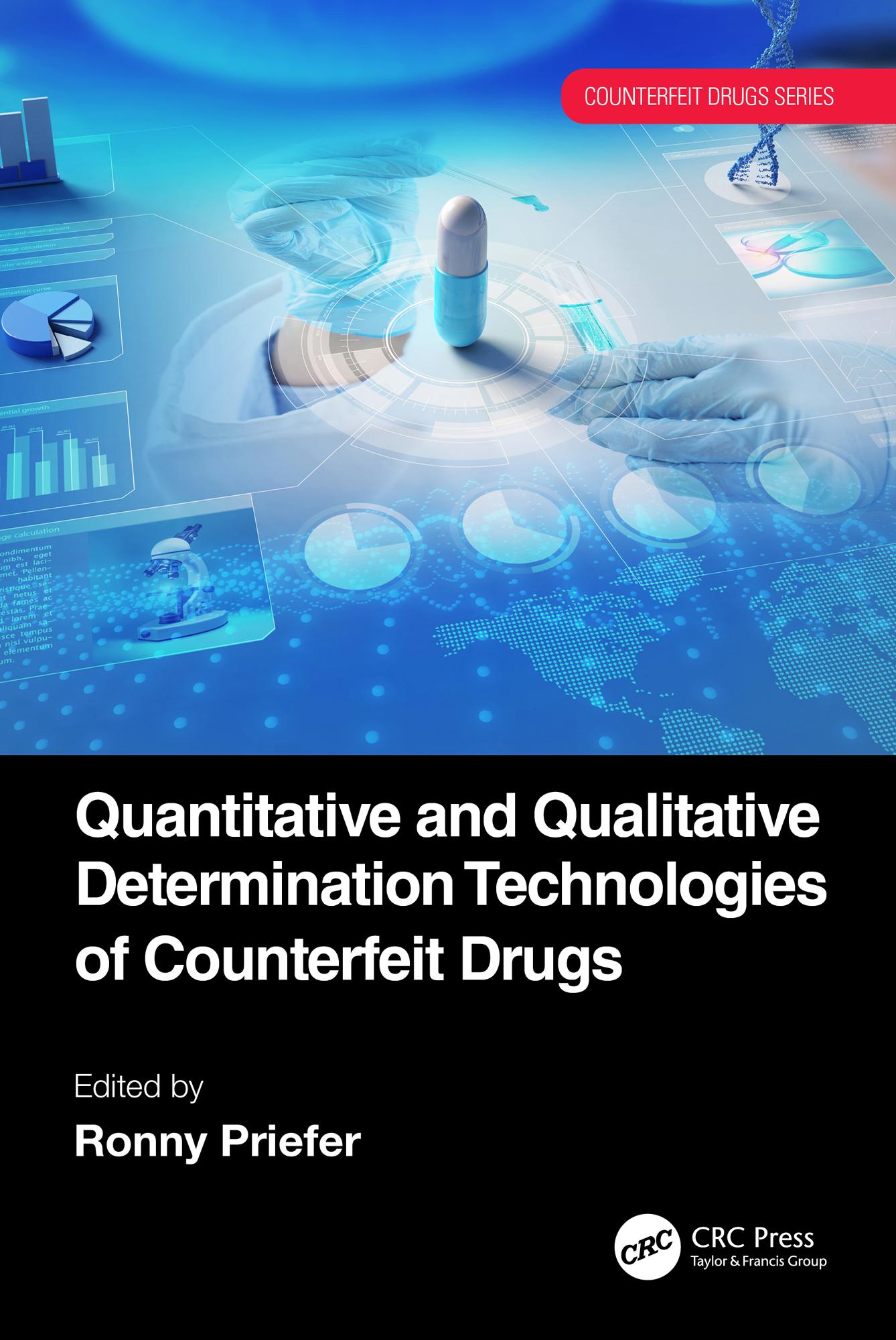
Drugs are often counterfeited to reduce manufacture costs, while still marketing it at as an authentic product. Increased incidence of drug counterfeiting is most noticeable in developing countries, which may not have the resources to supply counterfeit detection devices on a large scale. It is important to consider the problems caused and to propose options for controlling and reducing the prevalence of counterfeit medications. Various technologies are needed to identify the chemical properties of a questioned medicinal product, which can then be used to determine its authenticity. This volume focuses on current technological approaches that are able to detect counterfeited pharmaceuticals.
Features
- Focuses on current technological approaches that are able to detect counterfeited pharmaceuticals
- Assesses the chemical methods of identifying counterfeit medicinal products and explains the theoretical underpinnings of the methods
- Provides case study type examples of the application for analysis of suspected counterfeit pharmaceuticals
- Discusses the detection and analysis of counterfeit drugs, and appropriate tools for combating this issue
- The editor draws on his experience as a respected chemist and prolific author in the field to provide this unique text on drug counterfeiting detection
Payez facilement par carte, Klarna, Apple Pay ou Google Pay. Pas satisfait ? Vous avez toujours une garantie de remboursement de 14 jours. En savoir plus dans nos conditions. Si vous avez des questions, envoyez-nous un e-mail à hello@memmo.org.
Memmo facilite tes études, où que tu sois dans le monde. On rassemble tes manuels de cours et des outils d'étude intelligents au même endroit : résumés, quiz, podcasts et flashcards. Et il y a Ted, ton compagnon d'étude qui répond à toutes tes questions. Plus de 50 000 étudiants étudient déjà ici – conçu pour t'aider à apprendre plus vite et à moins stresser.