
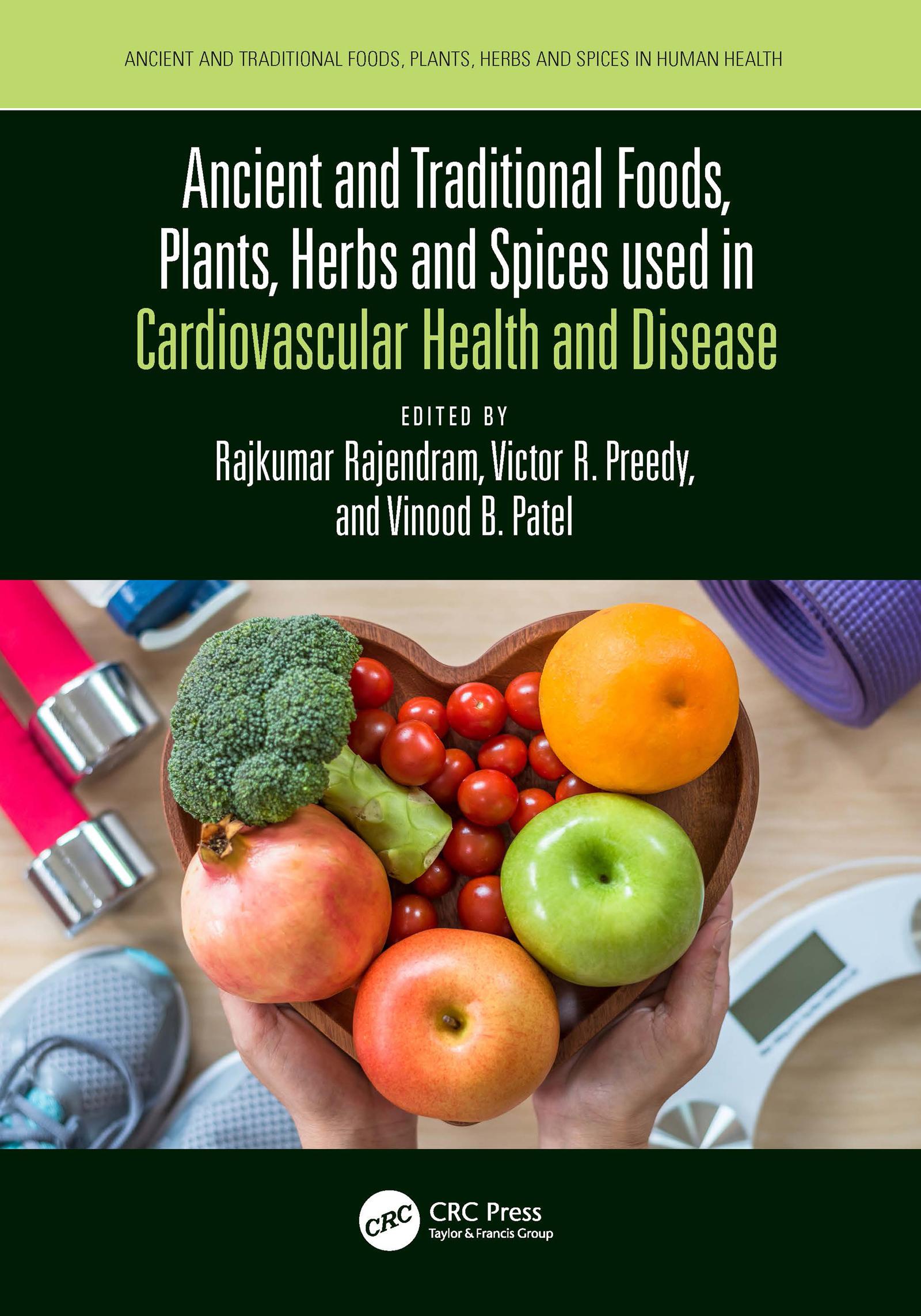
The use of different foods, herbs, and spices to treat or prevent disease has been recorded for thousands of years. Egyptian papyrus, hieroglyphics and ancient texts from the Middle East have described the cultivation and preparations of herbs and botanicals to "cure the sick". There are even older records from China and India. Some ancient scripts describe the use of medicinal plants which have never been seen within European cultures. Indeed, all ancient civilizations have pictorial records of different foods, herbs, and spices being used for medical purposes. However, there are fundamental issues pertaining to the scientific evidence for the use of these agents or their extracts in modern medicine.
There have been considerable advances in scientific techniques over the last few decades. These have been used to examine the composition and applications of traditional cures. Modern science has also seen the investigation of herbs, spices and botanicals beyond their traditional usage. For example, plants which have been used for “digestion” or “medical ills” since time immemorial are now being investigated for anti-cancer properties or their toxicity, using high throughput screening. Techniques also include molecular biology, cellular biochemistry, physiology, endocrinology and even medical imaging. However, much of the material relating to the scientific basis or applications of traditional foods, herbs, spices and botanicals is scattered among various sources. The widespread applicability of foods or botanicals are rarely described and cautionary notes on toxicity are often ignored. These issues are explored in Ancient and Traditional Foods, Plants, Herbs and Spices used in Cardiovascular Health and Disease.
Features:
- Investigates alternative healthcare paradigms that use traditional dietary foods, plant-derived materials, and extracts to treat cardiovascular diseases
- Provides information on diets, specific agents, and extracts
- Many chapters focus on plant-derived material, providing a historical background, uses, toxicity and cautionary notes and summary points
With contributions from leading international experts, this book is useful for cardiologists, nutritionists, physicians, healthcare workers, food scientists and those working in the food industry, pharmacologists, and research scientists.
Payez facilement par carte, Klarna, Apple Pay ou Google Pay. Pas satisfait ? Vous avez toujours une garantie de remboursement de 14 jours. En savoir plus dans nos conditions. Si vous avez des questions, envoyez-nous un e-mail à hello@memmo.org.
Memmo facilite tes études, où que tu sois dans le monde. On rassemble tes manuels de cours et des outils d'étude intelligents au même endroit : résumés, quiz, podcasts et flashcards. Et il y a Ted, ton compagnon d'étude qui répond à toutes tes questions. Plus de 50 000 étudiants étudient déjà ici – conçu pour t'aider à apprendre plus vite et à moins stresser.