
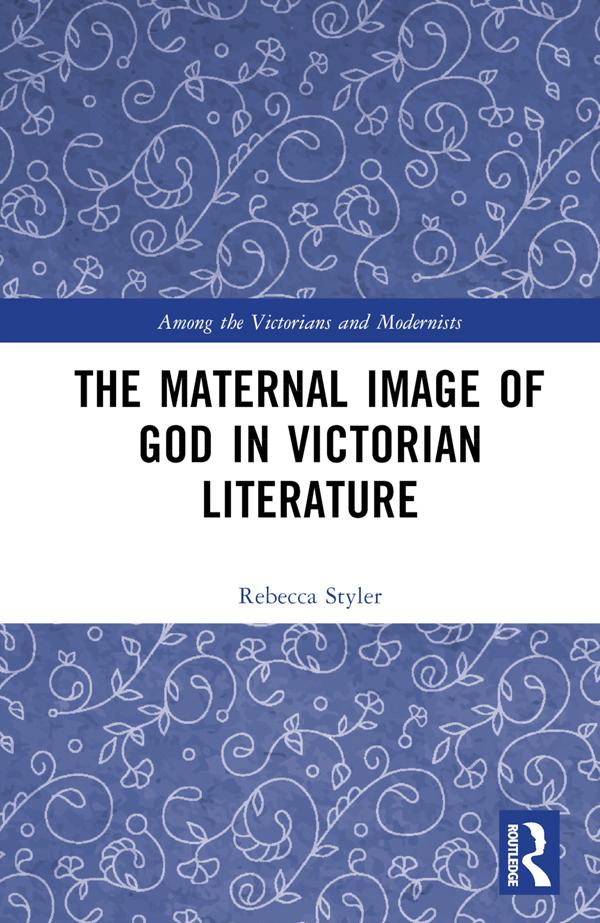
This book is the study of a religious metaphor: the idea of God as a mother, in British and US literature 1850–1915. It uncovers a tradition of writers for whom divine motherhood embodied ideals felt to be missing from the orthodox masculine deity. Elizabeth Gaskell, Josephine Butler, George Macdonald, Frances Hodgson Burnett and Charlotte Perkins Gilman independently reworked their inherited faith to create a new symbol that better met their religious needs, based on ideal Victorian notions of motherhood and ‘Mother Nature’. Divine motherhood signified compassion, universal salvation and a realised gospel of social reform led primarily by women to establish sympathetic community. Connected to Victorian feminism, it gave authority to women’s voices and to ‘feminine’ cultural values in the public sphere. It represented divine immanence within the world, often providing the grounds for an ecological ethic, including human–animal fellowship.
With reference also to writers including Charlotte Brontë, Anna Jameson, Charles Kingsley, Elizabeth Charles, Theodore Parker, Harriet Beecher Stowe, Mary Baker Eddy and authors of literary utopias, this book shows the extent of maternal theology in Victorian thought and explores its cultural roots. The book reveals a new way in which Victorian writers creatively negotiated between religious tradition and modernity.
Payez facilement par carte, Klarna, Apple Pay ou Google Pay. Pas satisfait ? Vous avez toujours une garantie de remboursement de 14 jours. En savoir plus dans nos conditions. Si vous avez des questions, envoyez-nous un e-mail à hello@memmo.org.
Memmo facilite tes études, où que tu sois dans le monde. On rassemble tes manuels de cours et des outils d'étude intelligents au même endroit : résumés, quiz, podcasts et flashcards. Et il y a Ted, ton compagnon d'étude qui répond à toutes tes questions. Plus de 50 000 étudiants étudient déjà ici – conçu pour t'aider à apprendre plus vite et à moins stresser.