
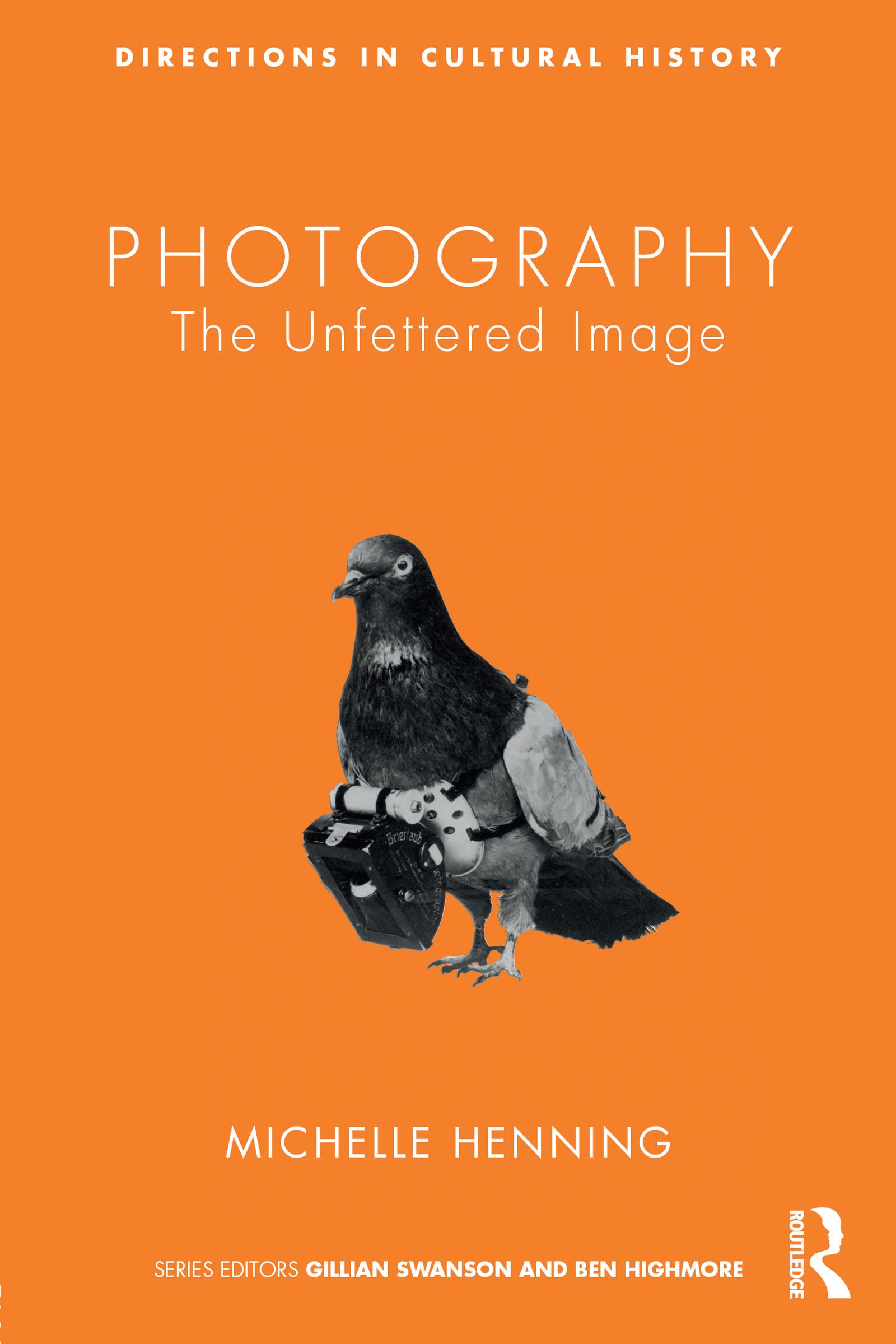
We live in a time in which photographs have become extraordinarily mobile. They can be exchanged and circulated at the swipe of a finger across a screen. The digital photographic image appears and disappears with a mere gesture of the hand.
Yet, this book argues that this mobility of the image was merely accelerated by digital media and telecommunications. Photographs, from the moment of their invention, set images loose by making them portable, reproducible, projectable, reduced in size and multiplied. The fact that we do not associate analogue photography with such mobility has much to do with the limitations of existing histories and theories of photography, which have tended to view photographic mobility as either an incidental characteristic or a fault.
Photography : The Unfettered Image traces the emergence of these ways of understanding photography, but also presents a differently nuanced and materialist history in which photography is understood as part of a larger development of media technologies. It is situated in much broader cultural contexts: caught up in the European colonial ambition to "grasp the world" and in the development of a new, artificial "second nature" dependent on the large-scale processing of animal and mineral materials. Focussing primarily on Victorian and 1920s–30s practices and theories, it demonstrates how photography was never simply a technology for fixing a fleeting reality.
Payez facilement par carte, Klarna, Apple Pay ou Google Pay. Pas satisfait ? Vous avez toujours une garantie de remboursement de 14 jours. En savoir plus dans nos conditions. Si vous avez des questions, envoyez-nous un e-mail à hello@memmo.org.
Memmo facilite tes études, où que tu sois dans le monde. On rassemble tes manuels de cours et des outils d'étude intelligents au même endroit : résumés, quiz, podcasts et flashcards. Et il y a Ted, ton compagnon d'étude qui répond à toutes tes questions. Plus de 50 000 étudiants étudient déjà ici – conçu pour t'aider à apprendre plus vite et à moins stresser.