
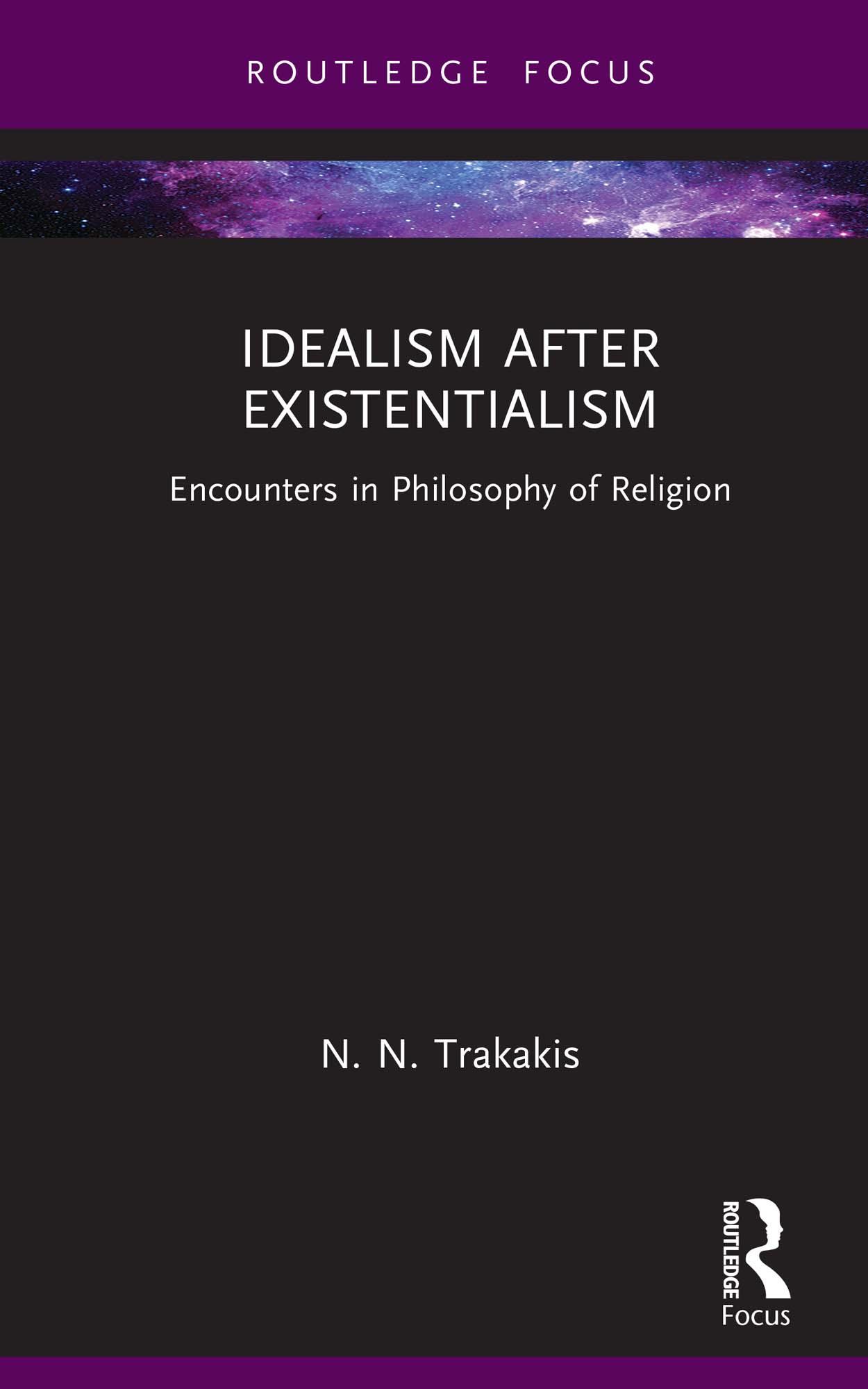
A century ago the dominant philosophical outlook was not some form of materialism or naturalism, but idealism. However, this way of thinking about reality fell out of favour in the Anglo-American analytic tradition as well as the Continental schools of the twentieth century.
The aim of this book is to restage and reassess the encounter between idealism and contemporary philosophy. The idealist side will be represented by the great figures of the 19th-century post-Kantian tradition in Germany, from Fichte and Schelling to Hegel, followed by the towering Hegelians in Britain led by T. H. Green, F. H. Bradley and Bernard Bosanquet. Their twentieth-century adversaries will be represented by the secular existentialists, especially the famous French trio of Sartre, Beauvoir and Camus, who sought to follow Nietzsche in philosophizing in light of the death of God. And the arena of encounter will be the philosophy of religion—more specifically, questions relating to the nature and existence of God, death and the meaning of life, and the problem of evil. The book argues that the existentialist critique of idealism enables an innovative as well as a more critical and adventurous approach that is sorely needed in philosophy of religion today.
Idealism after Existentialism will be of interest to scholars and advanced students working in the history of ninteenth- and twentieth-century philosophy and philosophy of religion.
Payez facilement par carte, Klarna, Apple Pay ou Google Pay. Pas satisfait ? Vous avez toujours une garantie de remboursement de 14 jours. En savoir plus dans nos conditions. Si vous avez des questions, envoyez-nous un e-mail à hello@memmo.org.
Memmo facilite tes études, où que tu sois dans le monde. On rassemble tes manuels de cours et des outils d'étude intelligents au même endroit : résumés, quiz, podcasts et flashcards. Et il y a Ted, ton compagnon d'étude qui répond à toutes tes questions. Plus de 50 000 étudiants étudient déjà ici – conçu pour t'aider à apprendre plus vite et à moins stresser.