
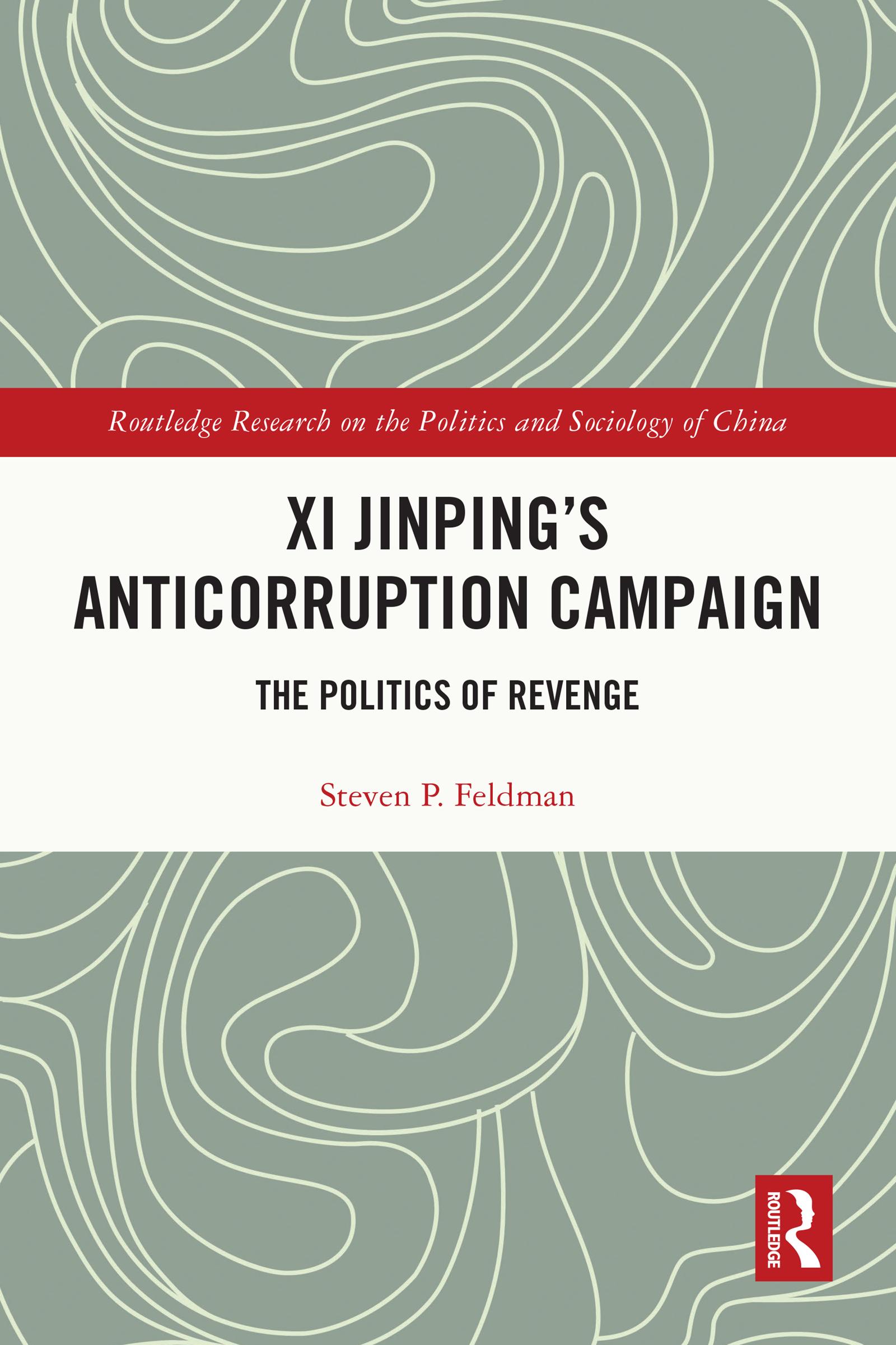
Through empirical analysis and conceptual development, this book analyzes the political psychology of Xi Jinping's Anticorruption Campaign and its role in the Chinese political system.
Using Nietzsche’s concept of ressentiment and data collected from direct fieldwork, the book analyzes the Chinese Communist Party (CCP) dictatorship, revealing that it is prone to extremes, through ideology or corruption, and highlights how the Party’s attempts to address one extreme only leads to the rise of another. In turn, it examines the Anticorruption Campaign in multiple ways including its use to increase the role of ideology in Chinese society, how it functions to concentrate Xi's power, its cultural form as a status reversal ritual, and its continuity with previous communist campaigns and ancient Chinese political traditions. Through each of these analyses, the book identifies crucial mechanisms through which the CCP maintains power through interrelated policies, actions, and their emotional effects.
Providing a vital understanding of the CCP, this book will be an invaluable resource to students and scholars of Chinese politics, as well as diplomats and policymakers on China.
Payez facilement par carte, Klarna, Apple Pay ou Google Pay. Pas satisfait ? Vous avez toujours une garantie de remboursement de 14 jours. En savoir plus dans nos conditions. Si vous avez des questions, envoyez-nous un e-mail à hello@memmo.org.
Memmo facilite tes études, où que tu sois dans le monde. On rassemble tes manuels de cours et des outils d'étude intelligents au même endroit : résumés, quiz, podcasts et flashcards. Et il y a Ted, ton compagnon d'étude qui répond à toutes tes questions. Plus de 50 000 étudiants étudient déjà ici – conçu pour t'aider à apprendre plus vite et à moins stresser.