
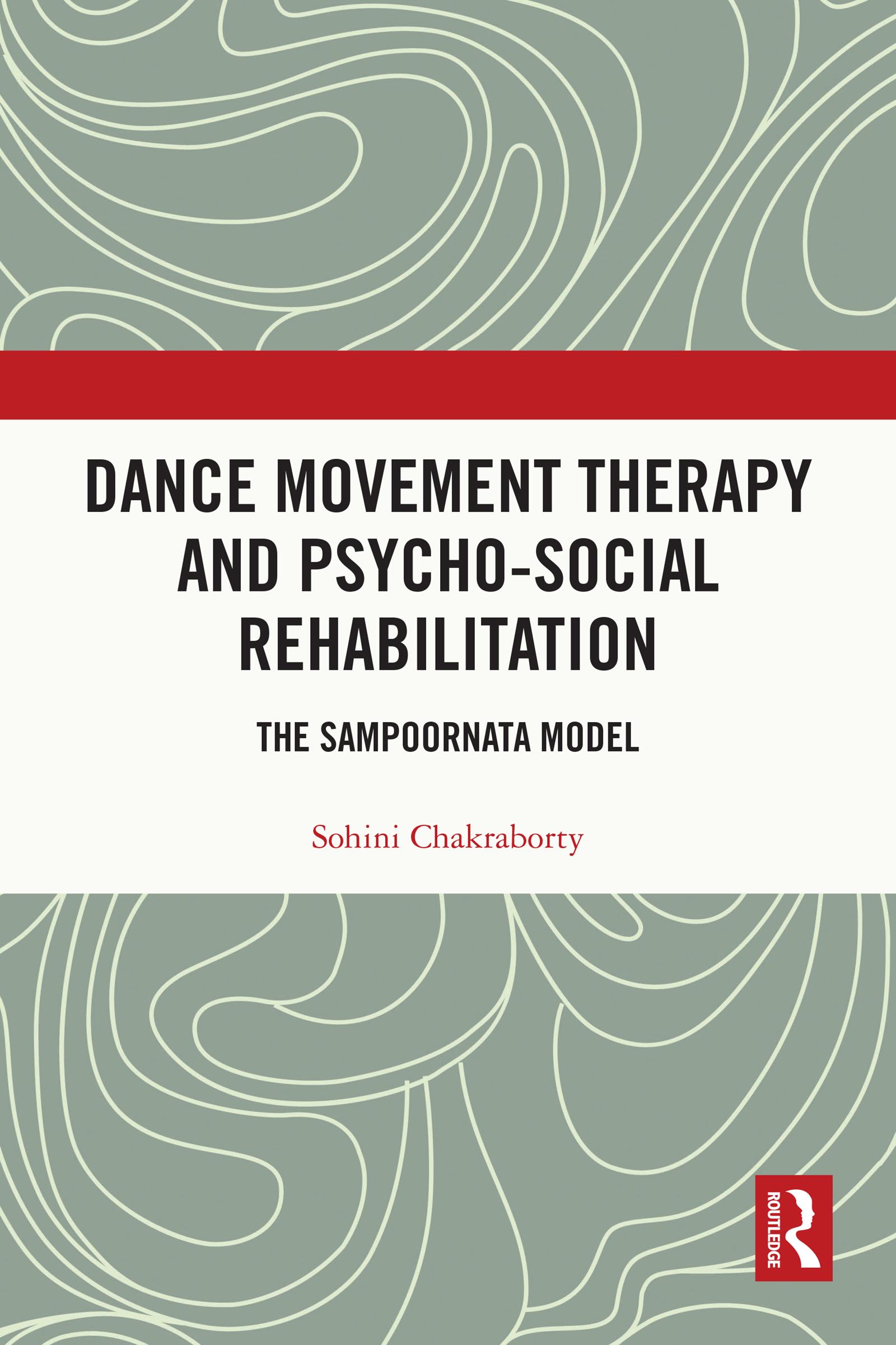
This book looks at the psychotherapeutic effects of Dance Movement Therapy (DMT) with a focus on the experiences of survivors of gender-based violence and their social development, psycho-social rehabilitation, and reintegration within society.
The author, a sociologist and dancer, uses a model she calls Sampoornata— or Fulfilment, to merge sociology and dance in order to help survivors of sexual violence overcome their trauma. Sampoornata was developed to help survivors of gender-based violence and trafficking, by focusing on their specific needs, and helping them to express themselves and overcome emotional and psychological pain. Through interviews with and detailed narratives of survivors, the book takes the readers through the development of the model, its implementation, practice, and impact on their lives. Situated within the social, cultural, as well as geographical context of India, the book is an important resource for rethinking the creative approaches, theories, and practice of DMT worldwide.
This book will be of interest to researchers and students of psychology, psychotherapy, dance and movement studies, and to those who work with dance and movement therapy. It will also be useful for professionals working in the areas of gender violence, trafficking, trauma, psycho-social rehabilitation, and well-being.
Payez facilement par carte, Klarna, Apple Pay ou Google Pay. Pas satisfait ? Vous avez toujours une garantie de remboursement de 14 jours. En savoir plus dans nos conditions. Si vous avez des questions, envoyez-nous un e-mail à hello@memmo.org.
Memmo facilite tes études, où que tu sois dans le monde. On rassemble tes manuels de cours et des outils d'étude intelligents au même endroit : résumés, quiz, podcasts et flashcards. Et il y a Ted, ton compagnon d'étude qui répond à toutes tes questions. Plus de 50 000 étudiants étudient déjà ici – conçu pour t'aider à apprendre plus vite et à moins stresser.