
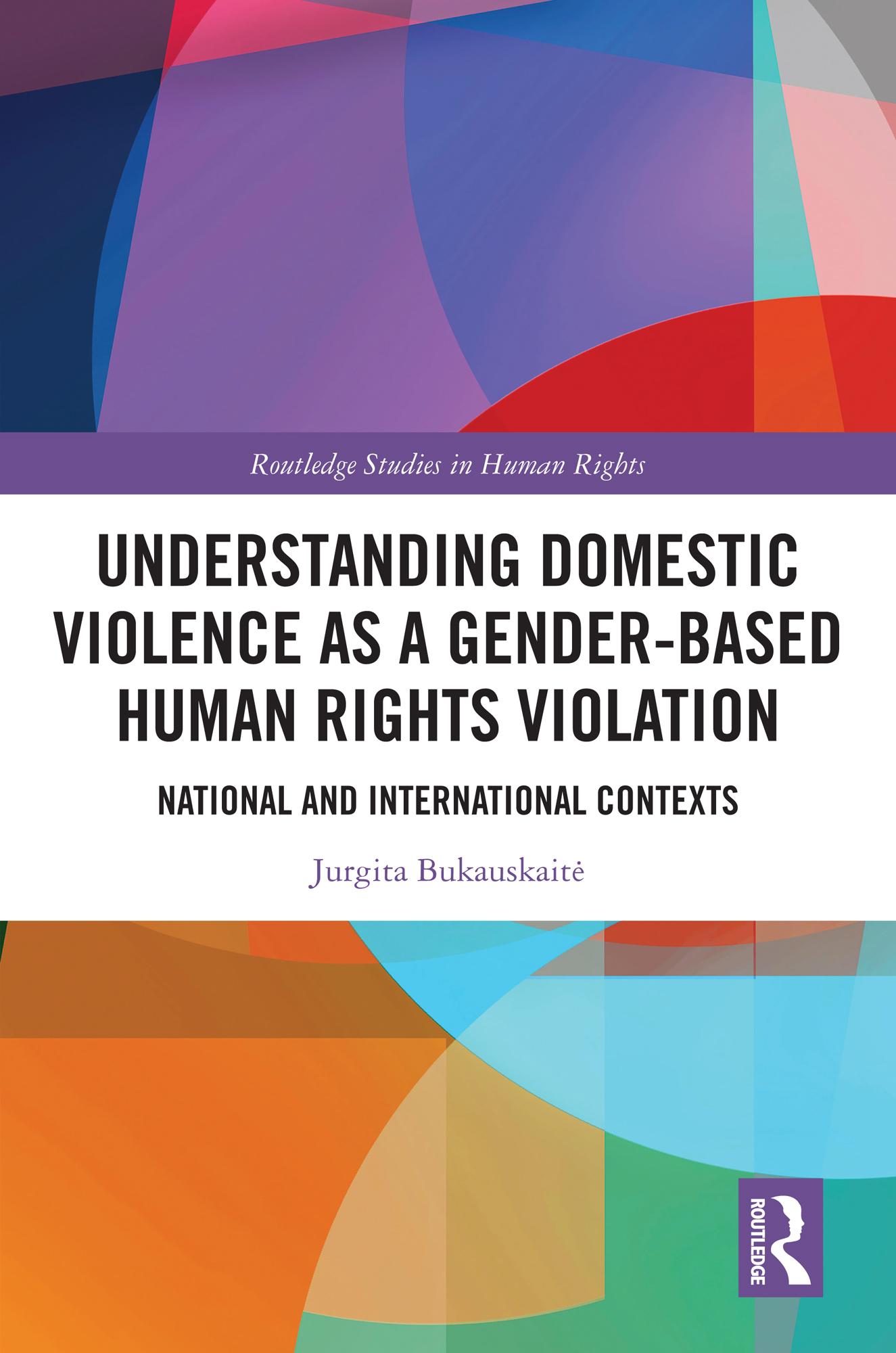
Examining the prevalent issue of domestic violence, this book breaks down the reasons behind the ineffectiveness of existing human rights instruments and the gaps in current legal systems failing those in need. Through a variety of key case studies, it reveals significant gaps in the legal conceptualisation of domestic violence between human rights standards on the one hand and the national legal systems examined—those of Ireland and Lithuania—on the other.
The book reveals that, contrary to gender-based universal human rights approaches and despite recent legislative reforms, the legal concept of domestic violence is gender-blind. It fails to capture gender-based empirical realities on the ground, rendering national legal systems devoid of an empirically informed theoretical basis for addressing the problem. Despite the differences in the contextual backgrounds of the two case study countries, the legislation on domestic violence is underpinned by patriarchal beliefs in both.
This book employs a gender-based examination of the issue that will be of key interest to scholars, legal practitioners, civil society actors, and students of feminist legal theory, gender equality, gender in international law, gender and human rights and conceptual democracy.
Payez facilement par carte, Klarna, Apple Pay ou Google Pay. Pas satisfait ? Vous avez toujours une garantie de remboursement de 14 jours. En savoir plus dans nos conditions. Si vous avez des questions, envoyez-nous un e-mail à hello@memmo.org.
Memmo facilite tes études, où que tu sois dans le monde. On rassemble tes manuels de cours et des outils d'étude intelligents au même endroit : résumés, quiz, podcasts et flashcards. Et il y a Ted, ton compagnon d'étude qui répond à toutes tes questions. Plus de 50 000 étudiants étudient déjà ici – conçu pour t'aider à apprendre plus vite et à moins stresser.