
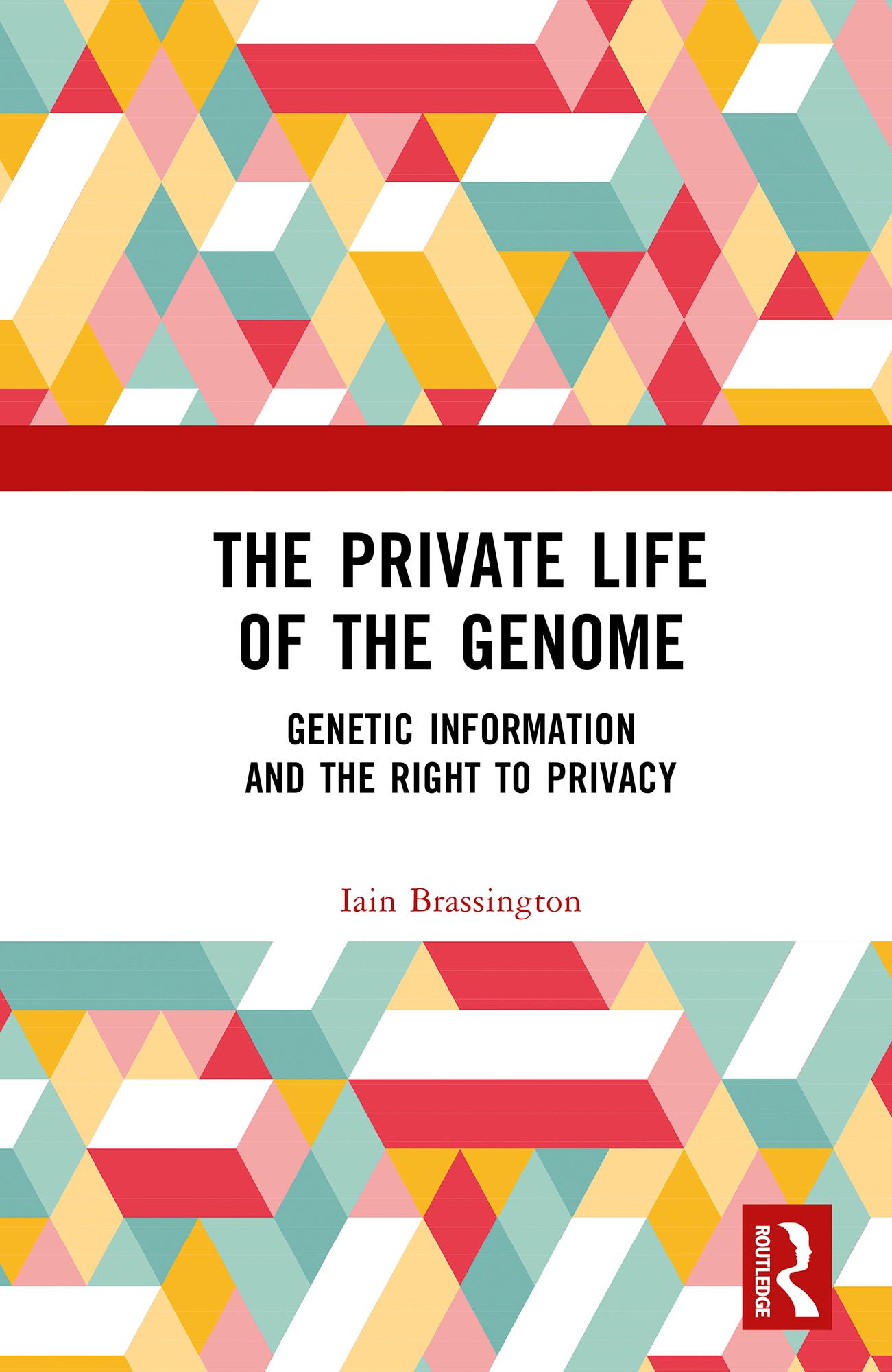
This innovative and engaging book argues that because our genetic information is directly linked to the genetic information of others, it is impossible to assert a ‘right to privacy’ in the same way that we can in other areas of life.
This position throws up questions around access to sensitive data. It suggests that we may have to abandon certain intuitions about who may access our genetic information; and it raises concerns about discrimination against people with certain genetic characteristics. But the author asserts that regulating access to genetic information requires a more nuanced perspective that does not rely on the familiar language of rights. The book proposes new ways in which we may think about who has access to what genetic information, and on what basis they do so.
Conceptually challenging, the book will prove engaging reading for scholars and students interested in the area of bioethics and medical law, as well as policy makers working with these pressing issues.
Payez facilement par carte, Klarna, Apple Pay ou Google Pay. Pas satisfait ? Vous avez toujours une garantie de remboursement de 14 jours. En savoir plus dans nos conditions. Si vous avez des questions, envoyez-nous un e-mail à hello@memmo.org.
Memmo facilite tes études, où que tu sois dans le monde. On rassemble tes manuels de cours et des outils d'étude intelligents au même endroit : résumés, quiz, podcasts et flashcards. Et il y a Ted, ton compagnon d'étude qui répond à toutes tes questions. Plus de 50 000 étudiants étudient déjà ici – conçu pour t'aider à apprendre plus vite et à moins stresser.