
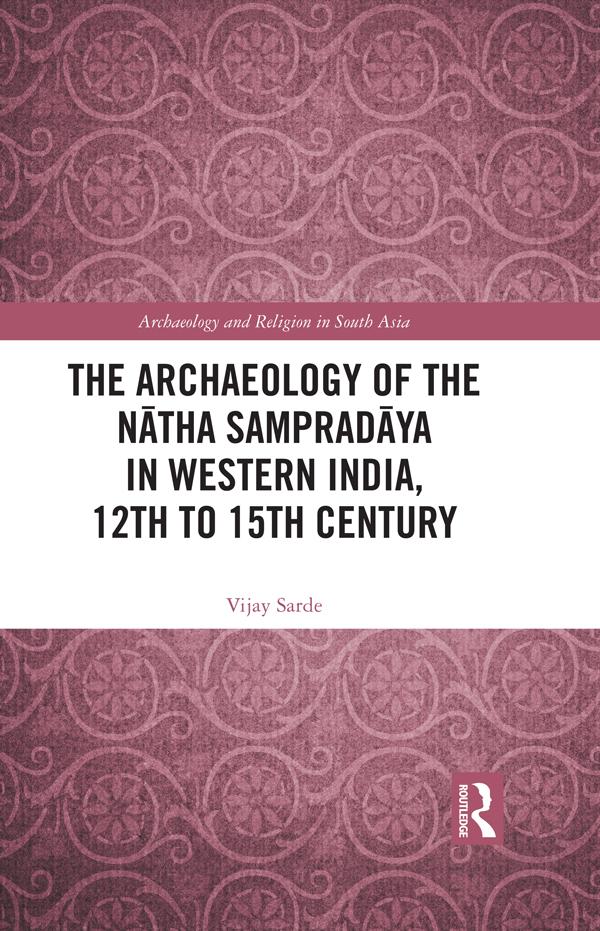
This book studies Nātha sampradāya through archaeological evidence for the first time. Drawing on a pioneering approach to the study of ascetic traditions, it investigates not only the nature of the Nātha sampradāya’s religious architecture but also examines the extent to which they shared space with other religious groups such as the devotees of Siva and Sakti, Buddhism, and Islam, especially with the Sufi tradition.
Focusing on western India, the book sifts through a variety of archaeological evidence and documentation of their temples, caves, and maṭhas. It critically analyses iconographic representations of ascetics on temple walls and sculptural representations of yogic postures or āsanas. Further, these representations are discussed within a pan-South Asian framework to highlight both the commonalities of the tradition across the subcontinent and the regional specificities, along with their chronological spread.
Breaking new ground, this volume will be of great interest to scholars and researchers of religion, especially Hinduism, history, archaeology, and South Asian studies.
Payez facilement par carte, Klarna, Apple Pay ou Google Pay. Pas satisfait ? Vous avez toujours une garantie de remboursement de 14 jours. En savoir plus dans nos conditions. Si vous avez des questions, envoyez-nous un e-mail à hello@memmo.org.
Memmo facilite tes études, où que tu sois dans le monde. On rassemble tes manuels de cours et des outils d'étude intelligents au même endroit : résumés, quiz, podcasts et flashcards. Et il y a Ted, ton compagnon d'étude qui répond à toutes tes questions. Plus de 50 000 étudiants étudient déjà ici – conçu pour t'aider à apprendre plus vite et à moins stresser.